Post Your Needs

Carso Grey Limestone

Limestone

Italy

About

Item Details

Material Type:
Limestone
Origin:
Italy (Aurisina, Zolla Di Monrupino, Provincia di Trieste, Friuli-Venezia Giulia)
Recommended Usage:
kitchen and bathroom countertop, wash basins, building stone, ornamental stone, stairs, interior, exterior wall and floor applications, mosaic, water-jet pattern, wall panels, table tops, balustrades, columns, wall and pool copings, pool pavers, sculptures, fireplaces, window sills
Additional Names:
Carso Gray Limestone, Aurisina Fioritello Limestone, Aurisina Limestone, Aurisina Fiorito Limestone, Aurisina Fiorita Lumachella Limestone, Monrupino Limestone, Repen Limestone, Aurisina Fiorito Lumachella Limestone, Fiore Di Aurisina Limestone, Mezza Perla Limestone, Italian Cinderella Grey Limestone, in China stone market:卡索灰 (Kǎsuǒ Huī), 意大利灰姑娘 (Yìdàlì Huīgūniang), Carso Grey Limestone
Finished Surface:
Polished,Bush Hammered,Tumbled,Brushed,Honed,Split,Machine Cut,Natural Surface,Sandblasted,Combed,Leathered,Water Jet,Chiseled,Pickling

Testing

Water Absorption:
1.06 % by weight
Density:
2585 kg/m³
Flexural Strength:
13.4 MPa
Compressive Strength:
143–158 MPa

Description

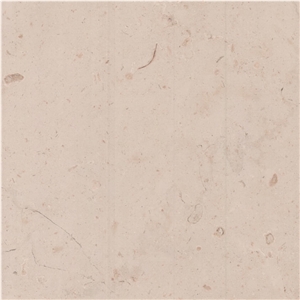
Carso Grey Limestone is a compact, fine-grained organogenic limestone quarried in Aurisina and Zolla di Monrupino, Province of Trieste, Friuli-Venezia Giulia, Italy. It features a warm grey background with subtle beige and light-brown undertones and naturally occurring tiny fossil fragments that provide understated character.

Texture & Pattern

  • Color: Warm grey with beige to light-brown undertones
  • Texture: Compact, fine-grained and relatively uniform
  • Pattern: Subtle organic movement with small fossil fragments
  • Fossils: Fine marine fossil inclusions
  • Movement: Low to medium
  • Porosity: Moderate; sealing is recommended

Technical Test Results

  • Water Absorption by Volume: 0.40 %
  • Water Absorption by Weight: 1.06 %
  • Density: 2,585 kg/m³
  • Flexural Strength: 13.4 MPa
  • Compressive Strength: 143–158 MPa
  • Hardness: Approx. 3–4 Mohs

Chemical Composition

  • CaCO₃: 90–97 %
  • MgCO₃: 1–5 %
  • SiO₂: 0.5–4 %
  • Al₂O₃: Trace–1 %
  • Fe₂O₃: Trace–1 %
  • Other minerals: Trace

Mineral Composition

  • Calcite: 90–97%
  • Dolomite: 1–5%
  • Quartz: 0.5–4%
  • Clay/Mica minerals: Trace–2%
  • Iron-bearing minerals: Trace
  • Fossil fragments: Variable, generally minor

Chemical and mineral percentages are indicative; actual composition can vary by quarry bench and should be confirmed by laboratory analysis.

Applications

Suitable for:

  • Interior flooring
  • Wall cladding, Building façades
  • Staircases and stair treads
  • Exterior paving, subject to freeze-thaw testing
  • Bathroom walls
  • Vanities
  • Fireplace surrounds
  • Hotel and commercial interiors
  • Residential projects
  • Architectural details
  • Landscaping and selected outdoor applications

Its high compressive strength makes it suitable for demanding architectural applications when the appropriate thickness and finish are selected.

Maintenance

  • Apply a suitable penetrating sealer, particularly for wet or stain-prone areas.
  • Use pH-neutral natural-stone cleaners.
  • Clean spills promptly.
  • Avoid vinegar, lemon, acidic cleaners and aggressive chemicals.
  • Avoid abrasive cleaning products.
  • Re-seal periodically depending on traffic and exposure.

As a calcium-carbonate limestone, Carso Grey is susceptible to acid etching. For exterior applications in cold climates, freeze-thaw performance should be verified for the specific quarry material.

FAQ

Is Carso Grey Limestone suitable for sculpture, and is it durable outdoors?

Carso Grey Limestone can be used for sculpture, as it is a type of natural stone that can be carved and shaped. However, its suitability for sculpture depends on the specific qualities of the stone, such as its hardness, grain consistency, and how it responds to fine detailing. Artists often choose limestone for sculpture because it is typically softer and easier to carve than other stones like granite. As for outdoor durability, limestone is generally considered less durable than harder stones like granite or marble due to its susceptibility to weathering and erosion, especially in environments with acid rain or significant freeze-thaw cycles. Exposure to moisture, temperature changes, and pollutants can affect its integrity and appearance over time. Therefore, while Carso Grey Limestone can be used outdoors, it requires proper sealing and maintenance to enhance its durability and preserve its aesthetic qualities. If long-term durability and minimal maintenance are priorities, it might be worth considering alternatives or protective treatments.

Is Carso Grey Limestone durable enough for use as outdoor terrace pavers?

Carso Grey Limestone can be used for outdoor applications, including terrace pavers, but there are several factors to consider regarding its durability and suitability: 1. **Hardness and Density**: Limestone is generally softer and more porous than other natural stones like granite. Its hardness and density will affect its ability to withstand outdoor conditions. Carso Grey Limestone should be specifically assessed for its density and ability to resist wear. 2. **Finish and Surface Treatment**: Applying a suitable finish or sealant can enhance limestones resistance to weathering and erosion. You might consider finishes that improve slip resistance and durability against moisture. 3. **Climate Conditions**: If you live in an area with freeze-thaw cycles, limestone can be more prone to cracking and spalling. Its important to ensure that the limestone can handle such weather conditions. In milder climates, this may be less of a concern. 4. **Load-Bearing**: Limestone can be softer than other stones, so its important to consider the expected load on the terrace. Heavy furniture or overly heavy usage can potentially damage softer stone. 5. **Maintenance**: Limestone requires regular maintenance, including sealing and cleaning, to keep it looking its best and to protect it from stains and weather effects. Before making a decision, it would be wise to consult with a stone specialist or supplier to get specific information about Carso Grey Limestones suitability for your particular project, especially considering your local environmental conditions.

Can Carso Grey Limestone be used as a kitchen cutting board?

Carso Grey Limestone is a type of natural stone that is often used for countertops, flooring, and other architectural purposes. While it can be used in a kitchen setting, using it specifically as a cutting board is not recommended. Here’s why: 1. **Porosity**: Limestone is a porous material, which means it can absorb liquids and bacteria. This makes it less sanitary for use as a cutting board, where it could harbor foodborne pathogens. 2. **Softness**: Limestone is relatively soft compared to other stones like granite or quartz. This means that it can be easily scratched or damaged by knives, which would also quickly dull the blades. 3. **Maintenance**: Natural stone surfaces generally require regular sealing and maintenance to keep them in good condition. This adds another layer of complexity if you were to use it as a cutting board. 4. **Weight**: Being a natural stone, Carso Grey Limestone is quite heavy and not practical for use as a portable cutting surface. For cutting boards, materials such as wood, bamboo, or high-quality plastic are recommended. These materials are easier to clean, do not damage knives easily, and are generally safer for food preparation.

What does vinegar do to Carso Grey Limestone floor tiles?

Using vinegar on Carso Grey Limestone floor tiles is not recommended. Limestone is a natural stone that is sensitive to acidic substances, and vinegar is an acid. Applying vinegar can etch or dull the surface of the limestone, causing damage that may be difficult or even impossible to repair. Over time, this can lead to a loss of finish and potentially cause pitting or discoloration. To properly clean limestone tiles, its best to use a pH-neutral cleaner specifically designed for use on natural stone. Regular sweeping or vacuuming to remove grit and dirt can help prevent scratches, and using mats or area rugs can protect flooring in high-traffic areas. For deeper cleaning, always refer to the manufacturers recommendations or consult a professional stone care specialist.

Is Carso Grey Limestone heat resistant? Is it suitable for use in fireplaces?

Carso Grey Limestones heat resistance largely depends on the specific properties of the stone, which can vary based on where it is sourced. In general, limestone is a sedimentary rock that can withstand moderately high temperatures, but it is not as heat-resistant as materials like granite or quartzite. For use in fireplaces, limestone can be suitable for surrounds and mantels, where it is not in direct contact with intense heat. However, it is not typically recommended for the firebox or other areas that will be exposed to direct flame or very high temperatures, as it could crack or become damaged over time. If you are considering Carso Grey Limestone for a fireplace, its advisable to consult with a professional who can assess the specific characteristics of the stone you have and provide guidance based on local building codes and safety standards. Additionally, proper installation and maintenance are vital to ensuring the safety and longevity of limestone in such applications.

Can Carso Grey Limestone be used as a mortar and pestle in the kitchen?

Carso Grey Limestone is a type of natural stone that is primarily used for construction and decorative purposes, such as flooring, countertops, and wall cladding. It is generally not recommended for use as a mortar and pestle in the kitchen for several reasons: 1. **Porosity**: Limestone is a porous material, which means it can absorb liquids and odors. This can lead to staining and could harbor bacteria, making it unsuitable for food preparation. 2. **Softness**: Limestone is a relatively soft stone, which can make it prone to scratching and chipping. When used vigorously, as a mortar and pestle would demand, it might not withstand the grinding action over time. 3. **Chemical Sensitivity**: Limestone is sensitive to acidic substances, which can cause etching or surface damage. Ingredients typically ground in a mortar and pestle, like citrus, tomatoes, or vinegar, could damage the surface. For a kitchen mortar and pestle, materials like granite, marble, or ceramic are generally preferred due to their durability, non-porosity, and resistance to wear and staining. If you are looking for a functional and food-safe option, those materials would be a better choice.

Products & Prices

Hot Limestone

New Limestone

Post Your Request

The request includes:
  1. surface finished, size
  2. quantity required