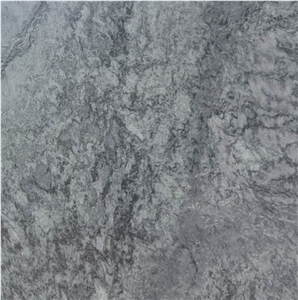
Celestine Soapstone

About
Item Details
- Material Type:
- Soapstone
- Origin:
India - Primary Color(s):
- Green
- Recommended Usage:
- Kitchen and bathroom countertops, wash basins, building stone, ornamental stone, interior, exterior wall and floor applications, home decor decorative objects, wall panels, table tops, fireplaces
- Additional Names:
- Space Black Soapstone, Celestine Soapstone
- Finished Surface:
- Polished,Bush Hammered,Tumbled,Brushed,Honed,Split,Machine Cut,Natural Surface,Sandblasted,Combed,Leathered,Water Jet,Filled,Chiseled,Pickling
Testing
- Water Absorption:
- 0.25 - 0.35 %
- Density:
- 2850 - 3050 kg/m³
- Stone texture:
- a distinctive dark green natural soapstone variety quarried locally that stands out for its rich, deep green colour and smooth, tactile surface that evokes a refined yet organic aesthetic. The stone’s appearance is generally uniform green with subtle tonal shifts and occasional delicate patterns or veins that enhance its visual depth, making it suitable for both classic and contemporary designs. In terms of texture and structure, Celestine Soapstone exhibits the typical fine to medium‑grained, soapy, and smooth feel characteristic of high‑quality soapstone, a metamorphic rock rich in talc that is naturally soft yet durable for many architectural applications.
Description
Celestine Soapstone is a distinctive dark green natural stone known for its deep, rich color and smooth tactile quality. This variety of soapstone is quarried locally and appreciated for its consistent green appearance, accented with subtle tonal shifts and occasional patterns or veins. These features make it ideal for a range of design styles, from classic to contemporary.
Physical and Mechanical Properties
- Water Absorption: Approximately 0.25% - 0.35%
- Density: Typically around 2.85 - 3.05 g/cm³
- Flexural Strength: Ranges from 8 - 15 MPa
- Compressive Strength: Usually between 35 - 55 MPa
- Hardness: Mohs scale rating of 2.5 - 3 due to high talc content
- Porosity: Low porosity, contributing to its stain resistance
- Slip Resistance: Generally good, though can vary based on finish
Chemical and Mineral Composition
- Talc: 40% - 70%
- Magnesite: 20% - 40%
- Chlorite: 5% - 15%
- Other minerals (e.g., pyroxene, amphibole): 5% - 10%
- Silica: Trace amounts
Usage
- Interior Applications: Countertops, flooring, wall cladding, fireplace surrounds
- Exterior Applications: Sculptures, outdoor furniture, cladding (requires proper sealing)
- Architectural Applications: Suitable for elements like sinks and tiles
Maintenance
- Routine Cleaning: Use a mild soap and water solution with a soft cloth
- Sealing: Periodically sealing is recommended to maintain the stone’s appearance and longevity
- Avoid: Harsh chemicals or acidic cleaners that could damage the surface
Common Surface Finish Options
- Honed: Matte and smooth, minimal reflection
- Polished: Glossy and reflective, enhances color depth
- Leathered: Textured and natural feel, with subtle sheen
- Brushed: Soft touch with slightly worn appearance
Celestine Soapstone’s durability despite its natural softness, combined with its unique aesthetic qualities, makes it a versatile choice for numerous architectural and design applications, blending organically with diverse environments.
FAQ
Yes, Indias Celestine Soapstone can be used in landscaping. Soapstone is a soft, compact, and heat-resistant metamorphic rock that is often used in architecture and design. It is known for its smooth texture and easy workability, making it a popular choice for various landscaping applications.
In landscaping, Celestine Soapstone can be used for:
1. Paving: Soapstone can be cut into tiles or slabs and used for walkways, patios, or stepping stones in gardens or outdoor spaces.
2. Retaining walls: It can be used to construct retaining walls or decorative wall features within a landscape design.
3. Garden sculptures: Due to its ease of carving, soapstone is often used to create intricate sculptures or decorative focal points in a garden.
4. Planters: Soapstone can be shaped into unique and durable planters for showcasing plants and flowers.
5. Water features: It is suitable for constructing natural-looking, water-resistant features like fountains, ponds, or waterfalls.
6. Outdoor kitchen countertops: Soapstones heat-resistant properties make it an excellent choice for countertops in outdoor kitchens or barbecue areas.
7. Pathway borders: Soapstone can be used to create borders or edging along garden paths, adding a touch of elegance to the landscaping design.
It is worth noting that when using soapstone in landscaping, proper installation, sealing, and maintenance are crucial to ensure its longevity and performance in outdoor environments.
Can India's Celestine Soapstone be used exterior applications in very rainy climates?
Indias Celestine Soapstone may not be suitable for exterior applications in very rainy climates. Soapstone is a relatively soft and porous material that can be susceptible to damage when exposed to excessive moisture for prolonged periods. Heavy rainfall and constant exposure to water can cause the soapstone to absorb water, which could lead to staining, cracking, and deterioration over time.
In such climates, it is generally recommended to use more durable and weather-resistant materials for exterior applications, such as granite or certain types of natural stone that are less porous and better equipped to handle the harsh outdoor conditions. However, if you still intend to use soapstone for exterior purposes, it is essential to ensure proper sealing and maintenance to protect it from water damage. Using a high-quality stone sealer, applying it regularly, and maintaining a dry and well-ventilated environment can help prolong the lifespan of soapstone in rainy climates.
Can India's Celestine Soapstone be used in a kitchen?
Yes, Indias Celestine Soapstone can be used in a kitchen. Soapstone is a natural and durable material that is heat-resistant, non-porous, and stain-resistant. It is commonly used for kitchen countertops, sinks, and other surfaces. Additionally, soapstone has natural antibacterial properties, making it a hygienic choice for kitchen applications.
Are there color variations of India's Celestine Soapstone?
Yes, there are color variations of Indias Celestine Soapstone. Soapstone itself comes in a range of colors, including shades of grey, black, green, blue, and even some brown tones. The specific color variations of Celestine Soapstone can vary depending on the quarry and location in India from where it is sourced. Some may have predominantly grey tones, while others might lean more towards green or blue. It is always best to view samples or images of the specific soapstone slab you are interested in to determine its color variation.
Can India's Celestine Soapstone be used outdoors?
Yes, Indias Celestine Soapstone can be used outdoors. Soapstone is a natural stone that is known for its durability and resistance to weathering, making it a suitable material for outdoor applications. It can withstand exposure to sunlight, rain, and other environmental factors without deteriorating quickly. However, it is always recommended to properly seal and maintain soapstone surfaces to enhance their longevity and protect them from damage.
What is the coefficient of friction of Chiseled India's Celestine Soapstone tiles?
The coefficient of friction for Chiseled Indias Celestine Soapstone tiles is not provided in the question. The coefficient of friction is a material property that indicates the amount of friction between two surfaces in contact. It is typically provided by the manufacturer or can be determined through testing.
What grade is India's Celestine Soapstone?
Indias Celestine Soapstone is typically considered to be of a high grade and quality. It is known for its unique blue color and smooth, soft texture.
How thick is India's Celestine Soapstone slabs?
The thickness of Indias Celestine Soapstone slabs can vary depending on the specific supplier or manufacturer. However, the standard thickness for soapstone slabs is typically around 2 centimeters (0.79 inches) to 3 centimeters (1.18 inches).
Is India's Celestine Soapstone an expensive stone?
I do not have access to up-to-date pricing information. However, in general, Celestine soapstone is considered rare and valuable due to its unique blue coloration, making it more expensive than other types of soapstone. The price can vary depending on the quality, size, and availability of the stone.