Post Your Needs

Chhatarpur Red Granite

Red - Granite

India

About

Item Details

Material Type:
Granite
Origin:
India (near Khajuraho, Chhatarpur district, Madhya Pradesh)
Primary Color(s):
Red
Recommended Usage:
Kitchen and bathroom countertops, monuments, building stone, ornamental stone, stairs, interior, exterior wall and floor applications, mosaic, waterjet pattern, wall panels, table tops, window sills, balustrades, columns, wall and pool copings, pool pavers, sculptures, fireplaces, pavers, cobbles, curbstone
Additional Names:
Chhattarpur Red Granite, Chattarpur Red Granite, Gem Red Granite, Supreme Red Granite, Chhatarpur Red Granite
Finished Surface:
Polished,Flamed,Bush Hammered,Tumbled,Brushed,Honed,Split,Machine Cut,Natural Surface,Sandblasted,Acid Washing,Combed,Leathered,Water Jet,Filled,Chiseled,Pickling

Testing

Water Absorption:
less than 0.5%
Density:
2680 - 2750 kg/m³
Flexural Strength:
9 - 13 MPa
Compressive Strength:
160 - 180 MPa
Stone texture:
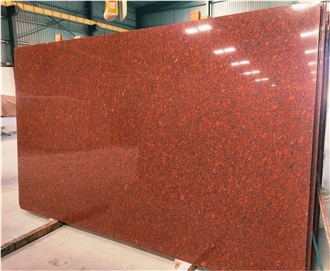
a striking deep, rich red granite with a warm, vibrant red base color often accompanied by natural variations that include fine black, grey and occasionally lighter red flecks or speckles throughout the surface, giving each slab a dynamic, lively appearance that adds character and visual depth to both contemporary and traditional design applications; this intense red hue is what makes it popular for countertops, monuments, flooring, cladding and other architectural uses where a bold natural stone is desired. In terms of texture and structure, Chhatarpur Red Granite shows the classic granite granular texture with compact, interlocking mineral grains that form a dense crystalline structure characteristic of high‑quality granites, offering strength, durability and a range of finishes (such as polished, sawn cut, sanded, rock‑faced, sandblasted, tumbled or flamed) that can enhance its natural patterning and surface depth while ensuring long‑lasting performance in both interior and exterior settings.

Description

Chhatarpur Red Granite is a striking deep, rich red granite known for its warm, vibrant base color accentuated with natural variations such as fine black, grey, and occasional lighter red flecks. The dynamic and lively appearance of this granite makes it highly popular for a multitude of architectural and decorative applications, such as countertops, monuments, flooring, and cladding. Its intense red hue is particularly favored in projects requiring a bold natural stone.

Texture and Structure:

  • Classic granite granular texture
  • Compact, interlocking mineral grains
  • Dense crystalline structure
  • Offers various finishes like polished, sawn cut, sanded, rock-faced, sandblasted, tumbled, and flamed

Physical and Mechanical Properties:

  • Water Absorption: Generally less than 0.5%
  • Density: Approximately 2,680 - 2,750 kg/m³
  • Flexural Strength: Typically ranges from 9 - 13 MPa
  • Compressive Strength: Around 160 - 180 MPa
  • Hardness: 6 - 7 on Mohs scale
  • Porosity: Very low, generally <1%
  • Slip Resistance: Varies based on finish, but generally good, especially with textured finishes

Chemical and Mineral Composition (% by weight):

  • Quartz: 20-30%
  • Feldspar (Alkali Feldspar & Plagioclase): 60-70%
  • Biotite and other Micas: 3-5%
  • Minor Minerals (e.g., Hornblende, Magnetite): 2-5%
  • Silica (SiO2): Approximately 65-75%
  • Alumina (Al2O3): 12-16%
  • Iron Oxides (FeO, Fe2O3): 3-5%
  • Other trace elements: Vary in minor amounts

Usage:

  • Interior and exterior flooring
  • Kitchen countertops
  • Vanity tops
  • Cladding
  • Monuments and statues
  • Landscaping elements

Maintenance:

  • Regular cleaning with mild soap and water
  • Sealing recommended annually to protect against stains
  • Avoid harsh chemicals that can damage the surface

Available Surface Finish Options:

  • Polished: Provides a glossy finish that enhances color and pattern
  • Honed: Offers a smooth, matte finish
  • Sawn Cut: Rough texture ideal for slip resistance
  • Sanded: Smooth yet non-reflective surface
  • Rock-faced: Rustic, textured appearance
  • Sandblasted: Fine textured surface for subtle aesthetics
  • Tumbled: A worn, antiqued finish
  • Flamed: Textured surface that enhances slip resistance

Chhatarpur Red Granite, with its robust physical properties and vibrant appearance, is a favored choice in diverse architectural contexts thanks to its versatility, durability, and the bold statement it can make in both contemporary and traditional settings.

FAQ

Can Chhatarpur Red Granite tiles be used for high - traffic internal commercial flooring?

Chhatarpur Red Granite tiles can generally be used for high-traffic internal commercial flooring, due to granites durability, hardness, and resistance to wear and tear. Granite is a popular choice for commercial spaces because it can withstand heavy foot traffic while maintaining its appearance. However, there are several considerations to keep in mind before proceeding: 1. **Finish**: Opt for a finish that provides slip resistance. Polished granite, while attractive, can be slippery when wet, whereas a honed or textured finish may provide better traction. 2. **Thickness**: Ensure the tiles are of adequate thickness to handle the expected load. Commercial flooring typically requires thicker tiles to withstand the increased wear. 3. **Maintenance**: Regular maintenance is required to preserve the granites appearance. This includes sealing to prevent staining and periodic cleaning with appropriate products. 4. **Installation**: Proper installation is crucial to ensure the longevity and performance of the flooring. This includes a well-prepared subfloor, appropriate adhesives, and skilled workmanship. 5. **Cost**: Consider the cost of materials and installation, as well as long-term maintenance, to determine if its a feasible option for your specific project. If these aspects are addressed, Chhatarpur Red Granite can indeed be a suitable option for high-traffic commercial environments. It is advisable to consult with professionals for personalized advice and to ensure compliance with local building codes and safety standards.
How to remove scratches from Chhatarpur Red Granite floor tiles?

Removing scratches from Chhatarpur Red Granite floor tiles requires careful attention, as granite is a natural stone that can be sensitive to certain cleaning and polishing methods. Here’s a general guide to help you remove scratches: 1. **Assess the Damage:** - Determine the depth of the scratches. Light surface scratches can often be buffed out, while deeper scratches may require more intensive methods. 2. **Clean the Surface:** - Thoroughly clean the area with a pH-balanced granite cleaner to remove any dirt or debris. This ensures you have a clear view of the scratches. 3. **Polish Light Scratches:** - For minor scratches, use a granite polishing powder or cream. Follow the product instructions carefully. - Apply the polish with a damp cloth or a low-speed polisher. - Buff the area gently in a circular motion until the scratch is less visible. 4. **Use a Granite Polishing Pad:** - Attach a diamond polishing pad (usually starting with a 200 or 400-grit) to an orbital sander or polisher if you need to address medium-depth scratches. - Work in a consistent, circular motion, keeping the pad and surface damp with water. - Gradually move to higher grits (800, 1500, 3000) for a smoother finish and to blend the polish with the surrounding area. 5. **Seal the Granite:** - After polishing, clean the area again and ensure it is completely dry. - Apply a granite sealer to protect the surface, following the manufacturer’s instructions. 6. **Consult a Professional:** - If the scratches are deep or extensive, consider consulting a professional stone restoration service to avoid further damage. **Tips and Precautions:** - Avoid using acidic or abrasive cleaners which can damage granite. - Test any polishing product on a small, inconspicuous area first. - Wear protective gear, such as gloves and eye protection, especially when using power tools. - Maintain your granite regularly with suitable cleaners and sealers to prevent damage and keep it looking new. Repairing granite requires patience and precision, so take your time to ensure the best results. If uncertain, seeking professional help is always a good option.

Are sandblasted finish Chhatarpur Red Granite floor tiles easily stained?

Sandblasted finish Chhatarpur Red Granite floor tiles have a textured surface that can make them somewhat more susceptible to staining compared to polished granite surfaces. The texture may allow liquids and substances to penetrate more easily into the stone if not properly sealed. Stains can occur from common household items such as oils, wine, coffee, or acidic foods. To prevent staining, it is recommended to apply a high-quality sealant to the tiles upon installation and reapply it periodically as recommended by the manufacturer or a professional. Additionally, quickly cleaning up spills and using appropriate cleaning products designed for natural stone can help maintain the appearance and longevity of the granite tiles.

Is Chhatarpur Red Granite good for a headstone?

Chhatarpur Red Granite can be a suitable choice for a headstone, as granite is generally considered a durable and long-lasting material for such purposes. Here are a few considerations when choosing Chhatarpur Red Granite for a headstone: 1. **Durability**: Granite is one of the hardest natural stones, making it resistant to weathering and erosion. This ensures the headstone will remain intact and legible for many years. 2. **Appearance**: Chhatarpur Red Granite has a striking red color with unique grain patterns, which can create a distinguished and beautiful headstone. The distinctive color may stand out and offer a personalized touch. 3. **Maintenance**: Granite requires minimal maintenance compared to other materials. It withstands environmental elements well, needing only occasional cleaning to maintain its appearance. 4. **Engraving**: Granite ensures that inscriptions and engravings are clear and enduring, crucial for maintaining the readability of personal dedications or epitaphs over time. 5. **Cost**: While granite is generally more expensive than some other stone options, its longevity and low maintenance costs can make it a cost-effective choice in the long run. 6. **Availability**: Check the local availability of Chhatarpur Red Granite, as sourcing the material can affect cost and lead time, depending on your location. Before making a final decision, you might want to consult with a local memorial provider or stone mason to discuss custom options, ensure that the specific shade and pattern meet your preferences, and confirm that it aligns with any cemetery regulations regarding headstone materials or colors.

What happens to Chhatarpur Red Granite countertop if not sealed?

If a Chhatarpur Red Granite countertop is not sealed, several issues can arise over time. Granite is a natural stone, and while it is relatively hard and durable, it is still porous. Here’s what might happen if it’s not sealed: 1. **Staining**: Unsealed granite can absorb liquids, leading to stains that are difficult to remove. Substances like oil, wine, juice, or coffee can seep into the granite, causing permanent discoloration. 2. **Etching and Dulling**: Acidic substances like lemon juice or vinegar can etch the surface, making it dull and possibly damaging the polish. 3. **Bacterial Growth**: Porous surfaces can harbor bacteria, which is particularly concerning for kitchen countertops where food preparation takes place. 4. **Moisture Damage**: If water is absorbed, it can result in darker spots on the surface. Although these usually disappear as the moisture evaporates, constant exposure can lead to deeper problems. 5. **Reduced Longevity**: Without a protective seal, the granite is more susceptible to damage and wear, potentially reducing its overall lifespan and aesthetic appeal. To maintain the beauty and durability of a Chhatarpur Red Granite countertop, it is advisable to apply a high-quality sealant regularly and follow proper cleaning and maintenance routines.

How thick should a Chhatarpur Red Granite commercial building stair step be?

When designing stair steps using Chhatarpur Red Granite or any natural stone, the thickness of the treads is crucial for ensuring durability, safety, and aesthetic appeal. Generally, granite stair treads for commercial buildings should be thicker compared to residential installations due to heavier foot traffic. For commercial applications, a typical thickness for granite stair treads is around 30 mm to 40 mm (approximately 1.18 inches to 1.57 inches). This thickness is sufficient to handle the increased load and wear in a commercial environment while maintaining structural integrity and reducing the risk of cracking or breaking. However, final specifications should also consider factors such as local building codes, the specific application and design (indoor or outdoor), and structural support. Consulting with an architect or structural engineer is recommended to ensure compliance with all necessary regulations and standards.

Can India's Chhatarpur Red Granite be used exterior applications in very dusty climates?

Yes, Indias Chhatarpur Red Granite can be used for exterior applications in very dusty climates. Granite is a durable and weather-resistant material that can withstand varying environmental conditions, including dusty climates. However, it is important to ensure proper installation and maintenance to prevent any potential damage or discoloration caused by extended exposure to dust and other environmental pollutants. Regular cleaning and sealing may be required to maintain the granites appearance and longevity in such conditions.

How thick is India's Chhatarpur Red Granite slabs?

The thickness of Indias Chhatarpur Red Granite slabs can vary depending on the specific order or requirement. However, standard thickness options for granite slabs typically range from 2 centimeters (around 0.79 inches) to 3 centimeters (around 1.18 inches).

Can India's Chhatarpur Red Granite be used in landscaping?

Yes, Indias Chhatarpur Red Granite can be used in landscaping. It is a popular choice for outdoor applications such as pathways, garden walls, retaining walls, and patio surfaces. Its rich red color and natural durability make it an ideal material for adding a touch of elegance to landscaping projects. Additionally, Chhatarpur Red Granite is known for its resistance to weathering, making it a durable option for outdoor spaces.

Products & Prices

Hot Red Granite

New Granite

Post Your Request

The request includes:
  1. surface finished, size
  2. quantity required