Post Your Needs

Cipollino Nuvolato Marble

Marble

Italy

About

Item Details

Material Type:
Marble
Origin:
Italy (Vagli di Sopra, Valle Garfagnana, Provincia di Lucca, Toscana)
Recommended Usage:
Kitchen and bathroom countertops, monuments, building stone, ornamental stone, Kitchen and bathroom countertops, building stone, ornamental stone, stairs, interior wall and floor applications, mosaic, waterjet pattern, wall panels, table tops, columns, fireplace surround
Additional Names:
Cipollino Marble, Cipollino Greywave Marble, Cipollino Gray Wave Marble, Cipollino Toscano Marble, Cipollino Classico Nuvolato Marble
Finished Surface:
Polished,Bush Hammered,Tumbled,Brushed,Honed,Split,Machine Cut,Natural Surface,Sandblasted,Acid Washing,Combed,Leathered,Water Jet,Filled,Chiseled,Pickling

Testing

Water Absorption:
0.1% to 0.3%
Density:
2720 kg/m3
Flexural Strength:
12.08 MPa
Compressive Strength:
76.39 - 90.00 MPa

Description

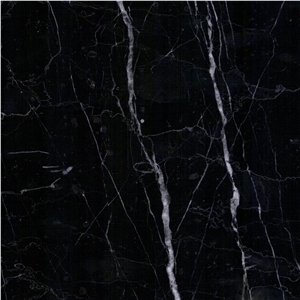
Cipollino Nuvolato Marble is a striking and elegant stone known for its light creamy to semi-white background, which creates a soft, neutral base. The marble is dramatically veined with large, fluid waves in dark gray to black tones, often with subtle purple undertones, creating a bold and sophisticated contrast against the lighter backdrop. The veining is fluid and dynamic, adding a sense of movement and depth to the stone.

Quarried in Vagli di Sopra, in the Valle Garfagnana region of the Province of Lucca, Tuscany, Cipollino Nuvolato is highly regarded for its luxurious appearance and versatility. Its refined and opulent look makes it ideal for a variety of high-end interior applications, including countertops, flooring, wall cladding, and architectural features. The combination of the soft, light tones with the dark, dramatic veining brings both elegance and a touch of nature’s wild beauty to any space.

FAQ

How can I clean the grout of Cipollino Nuvolato Marble wall tiles?

Cleaning the grout of Cipollino Nuvolato Marble wall tiles requires a gentle approach to protect both the grout and the marble. Here’s a step-by-step guide: 1. **Select the Right Cleaning Solutions:** - **pH-neutral cleaner:** Use a pH-neutral cleaner specifically designed for natural stone to avoid damaging the marble. - **Baking Soda Paste:** If you need a deeper clean, mix baking soda and water to create a paste. This is mildly abrasive and usually safe for grout. 2. **Avoid Harsh Cleaners:** - Avoid acidic or alkaline cleaners, including vinegar or bleach, as they can etch and damage the marble. 3. **Use Soft Tools:** - Use a soft brush or toothbrush to scrub the grout. Hard-bristled brushes might scratch the marble. 4. **Test a Small Area:** - Before starting, test your cleaning solution and method on a small, inconspicuous area to ensure no damage occurs. 5. **Apply the Cleaner:** - Apply the cleaning solution to the grout lines. If using baking soda paste, spread it evenly and let it sit for about 10 to 15 minutes. 6. **Scrub Gently:** - Use your soft brush to gently scrub the grout lines. Take care not to touch the marble more than necessary. 7. **Rinse Thoroughly:** - After scrubbing, rinse the area thoroughly with clean water to remove any residue from the cleaner. 8. **Dry the Area:** - Use a microfiber cloth to dry the area, preventing water spots on the marble. 9. **Seal the Grout:** - Once the grout is clean and dry, consider sealing it with a grout sealer specifically designed for natural stone to protect it from future stains and discoloration. 10. **Regular Maintenance:** - Regularly clean the tiles with a pH-neutral stone cleaner to minimize dirt buildup and maintain their appearance. By following these steps, you can effectively clean the grout without damaging the Cipollino Nuvolato Marble tiles. Regular maintenance will also help keep both the grout and marble looking their best.

I have a Cipollino Nuvolato Marble tabletop with a vein that looks broken. Should I glue it?

When dealing with a Cipollino Nuvolato Marble tabletop that has a vein that looks broken, its important to carefully assess the situation before proceeding with any repairs. This type of marble is known for its distinctive veining, and improper handling could potentially cause further damage. Here are some steps and considerations: 1. **Assess the Damage:** Determine whether the vein is indeed broken or if its a natural feature of the marble. If its a crack or break, evaluate the extent of the damage to decide the best course of action. 2. **Consult a Professional:** Given the value and delicacy of Cipollino Nuvolato Marble, its often advisable to consult with a professional stone restorer or conservator. They have the expertise and tools to handle the repair properly. 3. **Glue Selection:** If you decide to repair it yourself, use a high-quality stone adhesive or epoxy designed for marble. Make sure its clear or matches the color of the marble to minimize visibility. 4. **Application Process:** Clean the area thoroughly to remove dust and debris. Carefully apply the adhesive according to the manufacturers instructions. Use clamps or weights to hold the marble in place if needed, but ensure not to overtighten and cause further damage. 5. **Polishing and Finishing:** Once the adhesive is fully cured, which could take up to 24 hours or more, you may need to sand or polish the area to blend the repair with the rest of the surface. This is another step where professional help might be beneficial to ensure a seamless finish. 6. **Prevention Tips:** To avoid future issues, ensure the tabletop is properly supported and consider using sealants that can help protect the marble surface from stains and minor damage. Bear in mind that attempting repairs on marble without sufficient experience can sometimes make the problem worse, so when in doubt, seeking professional help is the best option.

My Cipollino Nuvolato Marble bathroom countertop has turned yellow; how can I restore it to its original color?

Restoring a Cipollino Nuvolato Marble countertop that has turned yellow involves a few careful steps. Yellowing can occur due to various reasons such as dirt accumulation, natural aging, oxidation, or improper cleaning agents. Heres a general guide to help you restore the marble: 1. **Identify the Cause**: Before beginning restoration, determine the cause of yellowing. If it is due to wax buildup or use of inappropriate cleaners, those will need different treatments compared to ingrained stains. 2. **Clean Gently**: Use a pH-neutral cleaner specifically designed for natural stone. Avoid harsh chemicals, vinegar, or acidic cleaners, as they can damage the marble. 3. **Poultice Application**: - Make a poultice with baking soda and water for general yellowing. Apply the paste to the affected area, cover it with plastic wrap, and leave it on for 24-48 hours. The poultice should draw out the stain from the marble. - Alternatively, you can purchase a commercial poultice product specifically designed for marble. 4. **Rinse and Buff**: After the poultice application, rinse the area thoroughly with clean water and buff it dry with a soft cloth. 5. **Light Polish**: If the surface finish appears dull, use a marble polishing powder or a polishing product to restore its shine. Follow the manufacturers instructions carefully. 6. **Professional Help**: If the yellowing persists, it might be time to seek professional stone restoration services. Professionals can perform honing and polishing, and apply sealants to restore the marble’s appearance. 7. **Sealing the Marble**: After cleaning, consider applying a sealant to protect the marble. Use a high-quality marble sealant and follow the instructions closely. 8. **Regular Maintenance**: Regular cleaning and maintenance can help prevent future yellowing. Clean spills immediately, use coasters or mats, and avoid products that can leach into the stone. By following these steps, you should be able to restore your Cipollino Nuvolato Marble countertop closer to its original condition. Remember, always test cleaning methods on a small inconspicuous area first to ensure there are no adverse effects.

Will a hot pot leave a mark on a Cipollino Nuvolato Marble kitchen countertop?

Cipollino Nuvolato Marble is a natural stone known for its beauty and unique veining. However, marble is generally more susceptible to damage from heat compared to other countertop materials like granite or quartz. Placing a hot pot directly on a Cipollino Nuvolato Marble countertop can potentially leave a mark. The heat may cause the marble to discolor, form rings, or even crack due to thermal shock. To protect your marble countertop, its advisable to use trivets or hot pads when placing hot pots or pans on the surface. Regular sealing and maintenance can also help improve the marbles resistance to damage, but taking preventive measures is the best way to ensure its longevity and appearance.

If lemonade spills on a Cipollino Nuvolato Marble kitchen countertop, will it damage the surface?

Cipollino Nuvolato Marble is a natural stone that is sensitive to acidic substances. Lemonade, which contains citric acid, can etch or dull the surface of the marble if it spills and is not cleaned up promptly. The acid in the lemonade can react with the calcium carbonate in the marble, causing a chemical reaction that results in etching, which is a form of surface damage that appears as a dull spot. To minimize the risk of damage, it is important to wipe up lemonade spills immediately using a soft cloth or sponge and warm water. After cleaning, you might also want to use a pH-neutral stone cleaner for any residue. Regular sealing of the marble can also provide some protection by making the stone less absorbent and more resistant to staining and etching. If etching occurs, it might need professional polishing to restore the surface.

Can I use bleach when cleaning a Cipollino Nuvolato Marble kitchen countertop?

Its not recommended to use bleach or any harsh chemical cleaners on Cipollino Nuvolato Marble, as marble is a sensitive natural stone that can be easily etched and damaged by acidic or highly alkaline substances. Using such chemicals can dull the finish and cause discoloration or other damage. For daily cleaning, it is best to use a pH-neutral cleaner specifically designed for use on natural stone, or simply warm water with a small amount of mild dish soap. Always use a soft cloth or sponge to avoid scratching the surface. Make sure to rinse thoroughly with water and dry the countertop to prevent any possible residue build-up. Additionally, its important to regularly seal the marble countertop to protect it from stains and scratches. And always clean up spills immediately, especially those from acidic substances like lemon juice, vinegar, or wine, to prevent etching or staining.

If I cut meat directly on my Cipollino Nuvolato Marble kitchen countertop, will it damage the surface?

Cutting meat directly on a Cipollino Nuvolato marble countertop is not advisable as it can potentially damage the surface. Marble is a relatively soft and porous stone, which makes it susceptible to scratches, stains, and etching from acidic substances. Using a cutting board will help protect the marble from damage and maintain its appearance over time. Additionally, using a cutting board is more hygienic when preparing food.

Products & Prices

Hot Marble

New Marble

Post Your Request

The request includes:
  1. surface finished, size
  2. quantity required