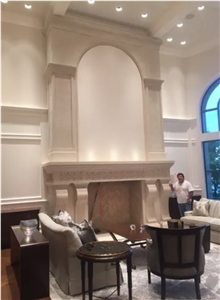
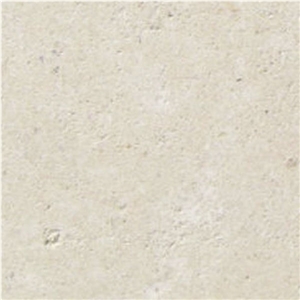
Cottonwood Limestone

About
Item Details
- Material Type:
- Limestone
- Origin:
United States (Kansas) - Primary Color(s):
- White
- Recommended Usage:
- monuments, building stone, ornamental stone, stairs, interior, exterior wall and floor applications, mosaic, wall panels, reliefs, window sills, balustrades, columns, wall and pool copings, pool pavers, sculptures, fireplaces, cobbles, pavers, curbstone
- Additional Names:
- Kansas Limestone, Cottonwood Top Ledge Limestone, Cottonwood Bottom Ledge Limestone, Cottonwood Limestone
- Finished Surface:
- Bush Hammered,Tumbled,Brushed,Honed,Split,Machine Cut,Natural Surface,Sandblasted,Acid Washing,Combed,Filled,Chiseled,Pickling
Testing
- Water Absorption:
- 3.93 %
- Density:
- 2347 Kg/m3
- Flexural Strength:
- 947 psi
- Compressive Strength:
- 6832 psi
- Stone texture:
- medium intensive bone white-yellow tint, light grey to light creamy beige color fossilized sedimentary stone
Description
Cottonwood Limestone is a highly regarded sedimentary stone quarried in Kansas, USA, known for its distinct appearance and notable physical, mechanical, and chemical properties. Here's an overview of its characteristics and relevant information:
Physical and Mechanical Properties
- Color:Primary hues include bone white, yellow tint, light grey, and light creamy beige. White tones are also present due to fossil inclusions and sedimentary layers.
- Water Absorption:3.93%
- Density:2347 Kg/m³
- Flexural Strength:947 psi
- Compressive Strength:6832 psi
- Hardness:Generally soft to moderately hard (specific measurement may vary, usually around 3-4 on the Mohs scale).
- Porosity:The stone possesses medium porosity, contributing to its water absorption rate.
- Slip Resistance:Varies based on finish; honed and polished surfaces exhibit lower slip resistance, while sawn or textured finishes offer better traction.
Chemical and Mineral Compositions (% by weight)
- Calcium Carbonate (CaCO3):Predominant mineral component (~85-95%)
- Magnesium Carbonate (MgCO3):Typically around 1-3%
- Silica (SiO2):Normally comprises about 1-4%
- Clays and other impurities:Includes iron oxides, contributing to the coloration, typically less than 5%
Usage
- Construction: Ideal for cladding, flooring, and decorative elements due to its aesthetic appeal.
- Interior Applications: Employed in countertops, fireplaces, and feature walls.
- Exterior Applications: Used in facades and paving, provided sealing is applied to protect against weathering.
Maintenance
- Regular cleaning using non-acidic stone cleaners is recommended to preserve appearance.
- Sealing periodically can help reduce porosity and protect against stains.
- Promptly clean spills to prevent absorption and potential staining.
Cutting Sizes (cm)
- Typically available in a variety of standard slab sizes, though custom dimensions can be requested:
- Common slab sizes: 60x60 cm, 60x90 cm, 30x60 cm.
- Thicknesses: Range from 1 cm to 3 cm for most applications.
Surface Finish Options
- Honed:Smooth, matte finish, providing a natural look with reduced reflections.
- Polished:High-gloss finish that enhances color and pattern but may reduce slip resistance.
- Brushed:Textured finish offering a slightly antiqued appearance and improved grip.
- Sandblasted:Rough texture providing excellent slip resistance, suitable for outdoor applications.
- Bush-hammered:A pronounced texture attained by repeated impact, enhancing durability and slip resistance.
Cottonwood Limestone is a versatile material with applications spanning various architectural and design needs. Its natural beauty, combined with its structural properties, makes it a favored choice for both residential and commercial projects. Ensure appropriate maintenance and finish selection to optimize its performance in specific environments.
SPECIFICATIONS (ASTM C-568)
- Density (lbs./cft.) ASTM C97-- 146.44
- Specific Gravity (psi) ASTM C97-- 2.347
- Water Absorption ASTM C97--3.93 %
- Compressive Strength (psi) ASTM C170--6,832
- Modulus of Rupture (psi) ASTM C99--947
- Abrasion Resistance (psi) ASTM C241 -- 8.2
FAQ
The United States Cottonwood Limestone is a durable and versatile stone that can be suitable for exterior applications in various climates. However, when considering its use in very dusty climates, there are a few factors to consider:
1. Dust accumulation: In dusty environments, outdoor surfaces tend to accumulate dust more quickly. This can diminish the aesthetic appeal of the limestone and require frequent cleaning and maintenance.
2. Porosity: Cottonwood Limestone is a sedimentary rock, and its porosity can vary. Excessively porous limestone may absorb dust and dirt more readily, making it more difficult to clean and maintain in dusty climates.
3. Surface finish: The type of finish applied to the Cottonwood Limestone can impact its ability to resist dust accumulation. A honed or polished finish tends to be smoother and easier to clean compared to a natural or rough-textured finish.
4. Sealing: Applying a high-quality sealer to the limestone can help reduce porosity and facilitate easier cleaning by preventing dust and dirt from penetrating the surface.
In conclusion, while Cottonwood Limestone can be used for exterior applications in very dusty climates, it may require more frequent maintenance and cleaning due to the accumulation of dust. Proper sealing, regular cleaning, and choosing an appropriate surface finish can enhance its performance and longevity in such environments.
Are there color variations of United States's Cottonwood Limestone?
Yes, there can be some variations in color of Cottonwood Limestone found in the United States. Cottonwood Limestone typically exhibits shades of light to medium grey, with occasional beige or taupe tones, but the exact coloration can vary depending on factors such as mineral content, weathering, and individual quarry locations. Some may appear more uniform in color, while others could have more pronounced variation or patterns. It is always recommended to view actual samples or photographs of the specific Cottonwood Limestone being considered to get a better understanding of its color variations.
How thick is United States's Cottonwood Limestone slabs?
The thickness of United States Cottonwood Limestone slabs can vary depending on the specific quarry and cutting process. However, typical thicknesses for these slabs range from 2 centimeters (0.75 inches) to 5 centimeters (2 inches). It is recommended to contact the specific quarry or supplier for more accurate information on the available thickness options.
What grade is United States's Cottonwood Limestone?
The Cottonwood Limestone in the United States does not refer to a specific grade. It is a geologic formation that is part of the Cedar Valley Group and is mostly found in the state of Iowa. Grades of limestone typically refer to the quality or suitability of the stone for specific uses, such as construction or industrial purposes.
What is the coefficient of friction of Water Jet Cut United States's Cottonwood Limestone tiles?
The coefficient of friction for Water Jet Cut United Statess Cottonwood Limestone tiles may vary depending on the specific texture and finish of the tiles. It is recommended to consult with the manufacturer or supplier of the tiles to obtain the exact coefficient of friction for that particular product.
Can United States's Cottonwood Limestone be used outdoors?
Yes, the Cottonwood Limestone from the United States can be used outdoors. Limestone is a durable and versatile material that is commonly used in various outdoor applications such as paving, landscaping, wall cladding, and exterior facades. It is a natural stone that can withstand weathering and is suitable for both residential and commercial outdoor projects. However, it is always recommended to consult with a professional or supplier to determine the specific suitability and maintenance requirements of a particular type of limestone for outdoor use.
Can United States's Cottonwood Limestone be used in floor coverings?
Yes, United States Cottonwood Limestone can be used in floor coverings. Cottonwood Limestone is a type of sedimentary rock that is often used as a building material in flooring, walls, and countertops. It has a characteristic light beige to gray color with varying veining patterns, which make it an attractive choice for floor coverings. Cottonwood Limestone is known for its durability and versatility, making it suitable for both residential and commercial flooring applications. However, it is always important to consult with a professional or supplier to ensure that the specific type of Cottonwood Limestone meets the requirements and specifications for your flooring project.
Can United States's Cottonwood Limestone be used in a office?
Yes, United States Cottonwood Limestone can be used in an office. Cottonwood Limestone is a type of limestone that is often used as a building material because of its durability and aesthetic appeal. It can be used for various applications in an office setting, including flooring, wall cladding, countertops, and even decorative accents. Its natural beauty and versatility make it a popular choice for both residential and commercial spaces, including offices.
Is United States's Cottonwood Limestone an expensive stone?
I dont have information about the current pricing of Cottonwood Limestone. However, the cost of natural stones varies depending on several factors such as quality, availability, demand, and location. It would be best to consult with a local stone supplier or contractor for current prices.