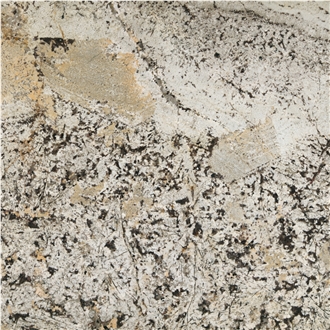
Crema Sabbia Granite

About
Item Details
- Material Type:
- Granite
- Origin:
Italy (Sabbia, Province of Vercelli,Piedmont) - Primary Color(s):
- Beige
- Recommended Usage:
- Kitchen and bathroom countertops, monuments, building stone, ornamental stone, stairs, interior, exterior wall and floor applications, mosaic, waterjet pattern, wall panels, table tops, window sills, balustrades, columns, wall and pool copings, pool pavers, sculptures, fireplaces, pavers, cobbles, curbstone
- Additional Names:
- Crema Piedmont Granite, Bianco Piedmont Granite, Piedmont White Granite, Crema Sabbia, Crema Sabbia Granite
- Finished Surface:
- Polished,Flamed,Bush Hammered,Tumbled,Brushed,Honed,Split,Machine Cut,Natural Surface,Sandblasted,Acid Washing,Combed,Leathered,Water Jet,Filled,Chiseled,Pickling
Testing
- Water Absorption:
- 0.2% to 0.5% by weight
- Density:
- 2630 - 2750 Kg/m³
- Flexural Strength:
- 8 - 12 MPa
- Compressive Strength:
- 150 - 250 MPa
Description
Crema Sabbia Granite is a stunning natural stone characterized by its ivory white base interspersed with sesame grey grains. Quarried in the Sabbia region, Province of Vercelli, in Piedmont, Italy, this granite is known for both its aesthetic appeal and robust physical properties. Here's a comprehensive overview of its features and characteristics:
Physical and Mechanical Properties
- Water Absorption:
- Typically low, ranging from 0.2% to 0.5%, which helps in resisting moisture-related damages.
- Density:
- Usually around 2.63 to 2.75 g/cm³, reflecting its solid form and substantial weight.
- Flexural Strength:
- Generally ranges from 8 to 12 MPa, indicating its ability to withstand bending forces.
- Compressive Strength:
- Between 150 to 250 MPa, illustrating its capacity to bear substantial loads without cracking.
- Hardness:
- Granite typically rates around 6-7 on the Mohs scale, showcasing its scratch resistance.
- Porosity:
- Ranges from 0.3% to 0.6%, indicating a relatively low porosity which contributes to its stain resistance.
- Slip Resistance:
- The surface can vary, but when polished, it typically requires treatment to enhance slip resistance.
Chemical and Mineral Compositions (approximate % by weight)
- Quartz: 20-30%
- Feldspar: 50-60%
- Mica: 5-10%
- Biotite and/or Hornblende: 5-10%
- Trace Elements: Includes Iron Oxides, contributing to occasional reddish hues
Detailed Usage
- Interior Applications: Excellent for countertops, vanity tops, flooring, and wall cladding due to its elegant appearance and durability.
- Exterior Applications: Suitable for facades, paving, and stairs due to its weather resistance.
- Monuments and Sculptures: Ideal because of its ability to be intricately carved while maintaining detail.
Maintenance
- Regular Cleaning: Use pH-balanced cleaners to maintain its polish and prevent dullness.
- Sealing: Periodic sealing recommended, especially for high-use areas, to protect against stains.
- Avoid Acidic Cleaners: These can damage the granite surface.
Cutting Sizes
- Commonly available in slab thicknesses of 2 cm and 3 cm.
- Custom sizes can be cut according to project requirements, with common slab dimensions ranging from 240 cm x 120 cm to 300 cm x 180 cm.
Available Common Surface Finish Options
- Polished: Achieves a glossy and reflective surface, enhancing the stone's colors.
- Honed: Offers a matte finish with smooth texture.
- Flamed: Adds a textured finish for increased slip resistance, often used in exterior applications.
- Brushed: Creates a slightly textured, more natural look.
- Leathered: Provides a soft sheen with a slightly textured surface, ideal for a modern rustic appearance.
Crema Sabbia Granite is celebrated for its beauty and practicality, making it a favored choice in both traditional and contemporary designs. The combination of its neutral color palette and robust properties ensures it remains a timeless and versatile material for a multitude of applications.
FAQ
Yes, Italys Crema Sabbia Granite can be used as a material for floor coverings. It is a durable and popular choice for flooring due to its strength, resistance to staining, and versatile aesthetic. This granite features a creamy beige background with light beige and brown veining, creating a warm and elegant look for floors. Whether used in residential or commercial spaces, Crema Sabbia Granite can be a beautiful and practical option for floor coverings.
Can Italy's Crema Sabbia Granite be used in a bathroom?
Yes, Italys Crema Sabbia Granite can be used in a bathroom. Granite is a durable and low-maintenance material that is commonly used in bathrooms for countertops, vanities, and even shower walls. Crema Sabbia Granite, with its sandy beige tones and natural veining, can provide a beautiful and elegant look to a bathroom. However, it is important to note that granite is a natural stone and should be properly sealed to protect it from moisture and stains in a bathroom environment. It is recommended to consult with a professional when installing granite in a bathroom to ensure proper sealing and maintenance.
What is the average compressive strength of Italy's Crema Sabbia Granite?
There is no specific data available on the average compressive strength of Italys Crema Sabbia Granite. The compressive strength of granite can vary depending on various factors including the specific quarry it is sourced from, the composition of the stone, and other geological factors. It is recommended to refer to the specific quarry or supplier for accurate information on the compressive strength of Crema Sabbia Granite.
Can Italy's Crema Sabbia Granite be used exterior applications in very rainy climates?
Crema Sabbia Granite can be used for exterior applications, including in rainy climates. Granite is a highly durable and weather-resistant stone, making it suitable for outdoor use. However, the specific circumstances of the installation and the level of exposure to rain and other environmental factors should be taken into consideration when making a final decision. It is recommended to consult with a professional to ensure the best results and longevity for your project.
Are there color variations of Italy's Crema Sabbia Granite?
While Crema Sabbia typically refers to a specific color variation of granite, it is possible for there to be slight variations in color within this category. Natural granite can vary in appearance depending on the specific quarry and batch it comes from. Additionally, factors such as lighting conditions and the finish applied to the stone can slightly alter its appearance. It is always recommended to view actual samples of the granite to determine its exact color and variation.
What is the coefficient of friction of Chiseled Italy's Crema Sabbia Granite tiles?
The coefficient of friction for Chiseled Italys Crema Sabbia Granite tiles is not provided in the question. You would need to refer to the product specifications or contact the manufacturer or supplier for this information.
What grade is Italy's Crema Sabbia Granite?
There is no specific grade assigned to Italys Crema Sabbia Granite as grades can vary among different suppliers and manufacturers. Grade classification is typically determined by factors such as color consistency, pattern, thickness, and overall quality. It is best to check with individual suppliers or manufacturers to determine the grade of Crema Sabbia Granite that they offer.
How thick is Italy's Crema Sabbia Granite slabs?
The thickness of Italys Crema Sabbia Granite slabs can vary, but the standard thickness for granite slabs is typically around 2 centimeters (3/4 inch) or 3 centimeters (1 1/4 inch). However, it is always best to check with the specific supplier or manufacturer for the exact thickness of the slabs they offer.
Is Italy's Crema Sabbia Granite an expensive stone?
I dont have access to real-time market prices to provide an up-to-date answer. However, in general, the price of Crema Sabbia granite may vary depending on factors like the quality, thickness, quantity, location, and market demand. It is recommended to consult with a local stone supplier or installer to get an accurate price quote.