Post Your Needs

Creme de Provence Limestone

Limestone

France

About

Item Details

Material Type:
Limestone
Origin:
France (Provence region in the south of France)
Recommended Usage:
Kitchen and bathroom countertops, wash basins, building stone, ornamental stone, stairs, interior, exterior wall and floor applications, mosaic, waterjet pattern, wall panels, table tops, balustrades, columns, wall and pool copings, pool pavers, sculptures, fireplaces
Additional Names:
Creme Provence Limestone, Creme du Provence Limestone, Creme de Provence Limestone
Finished Surface:
Polished,Bush Hammered,Tumbled,Brushed,Honed,Split,Machine Cut,Natural Surface,Sandblasted,Combed,Leathered,Water Jet,Filled,Chiseled,Pickling

Testing

Water Absorption:
~1.2 - 2.0% by weight
Density:
~2550 - 2600 kg/m³
Flexural Strength:
~12 - 14 MPa
Compressive Strength:
~70 - 95 MPa

Description

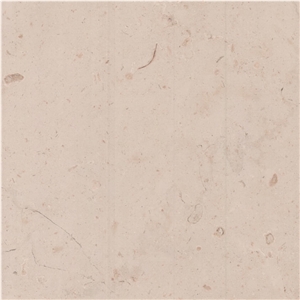
Crème de Provence Limestone is an elegant natural stone quarried in the Provence region of southern France. It is renowned for its subtle blend of ivory, cream, and soft linen tones, creating a timeless, refined look that works beautifully in both classical and contemporary spaces.

Texture & Pattern

Texture: Fine-grained, compact, and homogenous with a lightly open structure.

Pattern: Mostly uniform with occasional delicate veins or fossil traces (small shells or organic fragments), enhancing its natural charm without overwhelming.

Visual: Offers a warm, understated palette that complements a variety of design schemes, from minimalist modern to rustic French country.

Technical Data (typical ranges)

  • Density : ~2,550 - 2,600 kg/m³
  • Water Absorption : ~1.2 - 2.0% by weight
  • Compressive Strength : ~70 - 95 MPa
  • Flexural Strength : ~12 - 14 MPa
  • Abrasion Resistance : ~19 - 22 mm
  • Porosity : ~15 - 18%
  • Hardness (Mohs scale) : ~3 - 4

Chemical & Mineral Composition (% by weight)

  • Calcium Carbonate (CaCO₃) : ~95 - 97%
  • Magnesium Carbonate (MgCO₃) : ~1 - 2%
  • Silica (SiO₂) : ~0.5 - 1.5%
  • Iron Oxides (Fe₂O₃) : ~0.2 - 0.4%
  • Others (clay, organic material) : trace

This composition gives the stone its light color and excellent workability.

Usage

Indoor: Flooring, wall cladding, bathrooms, fireplaces, staircases, kitchen backsplashes, and vanity tops.

Outdoor: Facades, columns, balustrades (often with special surface treatments).

Architectural details: Window sills, door surrounds, moldings, fountains. Ideal for luxury residential, hotel, or boutique commercial projects.

Maintenance

Requires impregnating sealer to protect against stains, especially in kitchens or high-traffic floors. Clean with pH-neutral stone cleaner; avoid acids. Regular dust mopping or soft brushing preserves its natural finish.

Available Cutting Sizes

Typical tile & panel dimensions: 30 x 60 cm, 40 x 60 cm, 60 x 60 cm, 60 x 90 cm, 60 x 120 cm

Custom cut-to-size also common for stair treads, large panels, or façade units.

Thickness options: 1.5 cm, 2 cm, 3 cm, thicker blocks for carving or solid elements.

Surface Finish Options

  • Honed (most popular): Smooth, matte appearance that highlights the stone’s natural color.
  • Polished: Adds sheen but less common due to limestone’s porous nature.
  • Brushed / Antique: Slightly textured surface for a timeworn look.
  • Bush-hammered, sandblasted, or acid-washed: For non-slip exterior paving.

Summary:

Crème de Provence Limestone is prized for its fine-grained, creamy tones and soft natural variations. Durable yet elegant, it provides a luxurious atmosphere while remaining versatile across many applications. Its balanced composition ensures ease of fabrication and excellent aging, developing a beautiful patina over time.

FAQ

Do fruit juices stain the surface of Creme de Provence Limestone?

Crème de Provence Limestone is a natural stone that is relatively porous, meaning it can absorb liquids and become stained if not properly sealed and maintained. Fruit juices, which often contain natural dyes and acids, can indeed stain limestone surfaces if they are allowed to sit for an extended period. To protect against staining, it is essential to apply a high-quality sealant to the limestone surface, clean up spills promptly, and use pH-neutral cleaners specifically designed for natural stone. Regular maintenance and care can help preserve the beauty of Crème de Provence Limestone and prevent staining from fruit juices and other potential staining agents.

What type of abrasive should be used to polish the Creme de Provence Limestone surface?

When polishing Creme de Provence Limestone, its important to use the right type of abrasive to avoid damaging the surface. Typically, a non-acidic, fine-grit abrasive is recommended for limestone. Start with a lower grit to remove any scratches or imperfections, and then proceed with higher grits to achieve the desired level of polish. Diamond polishing pads or sanding discs are commonly used for this purpose, as they are effective and provide good control over the finishing process. Its essential to keep the surface wet during the polishing process to reduce heat and avoid any potential damage to the stone. Additionally, using a limestone-specific polishing compound can help restore the stone’s natural shine while ensuring that the integrity of the stone is maintained. Always follow the manufacturer’s guidelines and test a small, inconspicuous area first to ensure the best results.

Does the surface of Creme de Provence Limestone scratch easily?

Crème de Provence Limestone is a natural stone, and like many limestones, it can be more susceptible to scratching and wear compared to harder stones like granite or quartzite. Limestone is relatively soft and porous, which means it can scratch more easily if subjected to heavy or sharp objects. To minimize scratching, it is advisable to use protective measures such as sealing the surface, using coasters under glasses, placing mats or pads under decorative items, and employing cutting boards instead of cutting directly on the countertop. Regular maintenance and care can help preserve its appearance and reduce the likelihood of damage.

Can Creme de Provence Limestone be used for pool coping?

Creme de Provence Limestone can be used for pool coping, but there are several factors to consider before making this choice. Limestone is a natural stone that is often used in outdoor settings, including pool areas, due to its aesthetic appeal and durability. However, there are some important considerations to keep in mind: 1. **Slip Resistance**: Ensure that the limestone has a textured or honed finish to prevent slipping when wet. Polished surfaces can be slippery and unsafe around a pool. 2. **Water Resistance**: Limestone is a porous material and can be susceptible to water absorption and damage if not properly sealed. Make sure the stone is sealed with an appropriate stone sealer to protect against water infiltration and potential damage from pool chemicals. 3. **Durability**: Consider the stones resistance to wear and tear, especially if the pool area will receive heavy use. While limestone is generally durable, some types may be more prone to chipping and scratching. 4. **Weather Conditions**: Consider the climate in your area. Limestone can be sensitive to freeze-thaw cycles, which can cause cracking or spalling in colder climates. 5. **Color and Heat**: Lighter-colored stone like Creme de Provence will reflect more sunlight and not absorb as much heat, making it more comfortable for bare feet. Consult with a professional to determine the suitability of Creme de Provence Limestone for your specific project, taking into account local weather conditions, pool use, and maintenance requirements.

Can Creme de Provence Limestone be used for kitchen countertop?

Creme de Provence Limestone can technically be used for kitchen countertops, but there are several considerations to keep in mind. Limestone, including Creme de Provence, is a softer and more porous stone compared to granite or quartz. Here are some factors to consider: 1. **Porosity**: Limestone is porous, which means it can absorb liquids and stain easily. This makes it potentially problematic in a kitchen setting where spills are common. 2. **Durability**: Being a softer stone, limestone is more susceptible to scratches and dents. Heavy use in a kitchen could lead to noticeable wear over time. 3. **Sealing**: To mitigate some of the issues with porosity and staining, limestone countertops need to be properly sealed. Sealants can offer some protection, but they need to be reapplied regularly to maintain effectiveness. 4. **Maintenance**: Limestone countertops require more maintenance than harder stones. You’ll need to clean spills immediately to avoid staining, use pH-neutral cleaners, and be cautious with acidic foods and drinks. 5. **Aesthetics**: Creme de Provence Limestone offers a unique and natural look that appeals to some homeowners, contributing to a warm and inviting atmosphere. If you choose to proceed with limestone countertops, its important to be prepared for the required maintenance and to handle them with care to keep them looking their best. Alternatively, you might consider using limestone in less high-traffic areas or as a decorative accent rather than the primary countertop surface in the kitchen.

How can I repair the scratched surface of the Creme de Provence Limestone steps?

Repairing scratches on Creme de Provence Limestone steps requires a careful approach to avoid causing further damage. Here’s a general guide to help you restore the surface: 1. **Assess the Damage:** - Determine the depth and extent of the scratches. Surface-level scratches are more manageable, while deeper ones might require professional assistance. 2. **Clean the Surface:** - Start by thoroughly cleaning the limestone to remove dust, dirt, or debris using a pH-neutral stone cleaner and a soft cloth or mop. Avoid acidic or alkaline cleaners as they can damage the stone. 3. **Smooth Surface-Level Scratches:** - Use a fine grit (around 800-1000 grit) diamond-coated or silicon carbide sandpaper to gently rub the surface in a circular motion. Be careful not to over-sand an area, and ensure an even finish by blending the sanded area with the rest of the surface. - Regularly check your progress and clean off debris with a damp cloth to ensure you aren’t over-sanding. 4. **Polishing:** - After smoothing the scratches, use a stone polisher or a buffing pad along with a polishing compound designed for natural stone. Again, apply in a circular motion. - Follow the manufacturers instructions for the best results, and ensure even coverage to avoid uneven sheen on the steps. 5. **Sealing:** - Once the surface is polished, consider applying a high-quality stone sealant specifically designed for limestone. This will help protect against future scratches and stains. Follow the application instructions, ensuring the surface is clean and dry before applying the sealant. 6. **Consider Professional Help:** - If the scratches are deep or if you are not comfortable performing these tasks yourself, contact a professional stone restoration service. They have the tools and expertise to successfully restore the limestone without risk of further damage. 7. **Regular Maintenance:** - To prevent future damage, clean the steps regularly using appropriate products, and consider applying mats or rugs in high-traffic areas to reduce wear and tear. By following these steps, you should be able to effectively repair and restore the appearance of your Creme de Provence Limestone steps.

Is Creme de Provence Limestone with a polished surface good for house flooring?

Creme de Provence Limestone can be a suitable option for house flooring, but several factors should be considered before making a decision: 1. **Aesthetic Appeal**: Creme de Provence Limestone has a warm and neutral color palette that can complement various interior styles. The polished surface can add a luxurious feel to the space. 2. **Durability**: Limestone is generally a durable material, although it is softer than granite or other harder stones. It can withstand regular foot traffic but might not be as resistant to scratching or chipping in high-traffic areas. 3. **Maintenance**: A polished limestone surface will require regular maintenance to keep its shine. Limestone is a porous material, so it can absorb spills and stains if not properly sealed. Regular sealing is recommended to protect the surface. 4. **Slip Resistance**: Polished surfaces can be slippery, especially when wet. Consider this if you have children, elderly family members, or areas prone to getting wet, such as kitchens or bathrooms. 5. **Cost**: Natural stone flooring can be more expensive than other types of flooring. Consider both the initial cost and the ongoing maintenance expenses. 6. **Environmental Considerations**: As a natural material, limestone varies in quality and sustainability. Check the sourcing and manufactoring practices if this is a concern. If these factors align with your needs and preferences, Creme de Provence Limestone with a polished surface can be a good choice for house flooring. However, it might be advised to get samples and consult with a flooring professional to ensure it fits your specific requirements.

Hot Limestone

New Limestone

Post Your Request

The request includes:
  1. surface finished, size
  2. quantity required