Post Your Needs

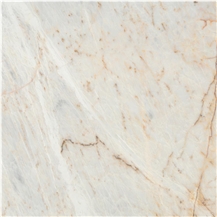
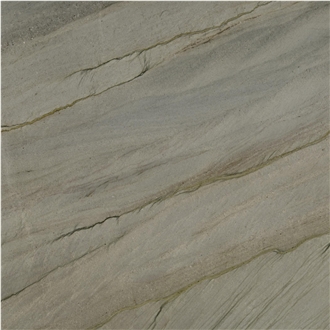
Cristallo Traslux Quartzite

White - Quartzite

Brazil

About

Item Details

Material Type:
Quartzite
Origin:
Brazil
Primary Color(s):
White
Recommended Usage:
kitchen and bathroom countertop, wash basins, building stone, ornamental stone, stairs, interior wall and floor applications, mosaic, water-jet pattern, wall panels, table tops, balustrades, columns, fireplaces, luxury furniture
Additional Names:
Cristallo Quartzite, Crystal Traslux Quartzite, Cristallo White Quartzite, Cristallo Superiore Quartzite, Celestial Frost Quartzite, Cristallo Traslux Quartzite
Finished Surface:
Polished,Bush Hammered,Tumbled,Brushed,Honed,Split,Machine Cut,Natural Surface,Sandblasted,Combed,Leathered,Water Jet,Chiseled,Pickling

Description

Cristallo Traslux Quartzite is a highly sought-after natural stone known for its stunning translucent properties, which allow light to penetrate and illuminate any space with a warm, ethereal glow. Quarried in Brazil, this beautiful quartzite features a soft white or pearly background with subtle tones of gold, beige, and gray, perfect for luxurious and sophisticated interior designs. Below, we explore the detailed physical and mechanical properties, chemical composition, usage, maintenance, and available finishes of Cristallo Traslux Quartzite.

Physical and Mechanical Properties

  • Water Absorption: Typically less than 0.1%, indicating its low porosity and resistance to staining.
  • Density: Approximately 2,660 - 2,760 kg/m³.
  • Flexural Strength: Ranges from 10 - 15 MPa, highlighting its ability to withstand bending forces.
  • Compressive Strength: Generally between 100 - 150 MPa, confirming its durability under loads.
  • Hardness: On the Mohs scale, it typically scores 6.5 - 7, which reflects its scratch resistance.
  • Porosity: Very low porosity, which contributes to its resistance to moisture and stains.
  • Slip Resistance: High slip resistance, especially when a honed finish is applied.

Chemical and Mineral Composition (% by weight)

  • Silica (SiO2): Approximately 90-95%, the primary component.
  • Aluminum Oxide (Al2O3): About 1-2%.
  • Iron Oxide (Fe2O3): Roughly 1-2%.
  • Potassium Oxide (K2O) and Sodium Oxide (Na2O): Combined around 1-2%.
  • Calcium Oxide (CaO), Magnesium Oxide (MgO), and other trace elements: Comprised of minor percentages.

Usage

  • Interior and Exterior Cladding: Ideal for wall cladding due to its translucence and aesthetic appeal.
  • Countertops: Suitable for kitchen and bathroom countertops, offering both beauty and durability.
  • Flooring: Its durability and slip resistance make it suitable for high-traffic areas.
  • Backlit Panels: Excellent choice for backlighting in bars, hospitality settings, and feature wall installations.

Maintenance

  • Sealing: Recommended upon installation and periodically, to enhance water and stain resistance.
  • Cleaning: Use a pH-balanced stone cleaner; avoid acidic or abrasive cleaners that could damage the surface.
  • Avoidance of Heat and Impact: Use trivets or pads to protect against thermal shock and heavy impacts.

Surface Finish Options

  • Polished: Highlights the stone's natural translucence and color, creating a high-gloss and reflective surface.
  • Honed: Offers a smooth, matte finish with increased slip resistance.
  • Leathered or Brushed: Provides a textured surface with a soft sheen, enhancing tactile experience.

In summary, Cristallo Traslux Quartzite stands out for its unique optical properties and robustness, making it a versatile and elegant choice for both aesthetic and functional applications. Its maintenance requirements are minimal with proper sealing, and its flexibility in finishes and sizes makes it adaptable to a wide range of design needs.

FAQ

How do you care for Cristallo Traslux Quartzite?

Caring for Cristallo Traslux Quartzite is relatively easy, and it requires minimal maintenance. Here are some tips to help you care for and maintain the beauty of your quartzite countertop or surface: 1. Cleaning: Regularly clean the quartzite surface using a mild, non-abrasive cleaner. Avoid using harsh chemicals or abrasive cleaners, as they can damage the stone. Use a soft cloth or sponge to wipe the surface, and rinse thoroughly with clean water afterward. Avoid acidic cleaners, such as vinegar or lemon juice, as they can etch the surface. 2. Avoid heat and direct sunlight: Quartzite is heat resistant, but its always best to use trivets or hot pads under hot pans or pots to prevent thermal shock. Prolonged exposure to direct sunlight can cause the color of the quartzite to fade over time. If possible, use curtains or blinds to minimize direct sunlight on the surface. 3. Sealing: Quartzite is a natural stone that is generally more resistant to staining compared to marble or granite. However, it is recommended to seal the quartzite surface periodically to provide an additional layer of protection against stains and spills. Consult with a professional stone supplier or installer to determine the appropriate sealing schedule for your specific quartzite slab. 4. Avoid scratching or impacting: Although quartzite is a durable material, it is still susceptible to scratching or chipping if exposed to sharp or heavy objects. Use cutting boards or chopping blocks to protect the surface while working in the kitchen. Avoid dropping heavy objects or using excessive force on the countertop to prevent potential damages. 5. Wipe spills promptly: Quartzite is resistant to most common household spills, including water, oil, and mild acids. However, it is still best to wipe up any spills or stains as soon as possible to prevent any potential staining. 6. Regular maintenance: It is recommended to periodically inspect your quartzite surface for any signs of wear, scratches, or damage. If you notice any issues, consult with a professional stone supplier or installer to determine the appropriate steps to repair or maintain the quartzite surface. By following these tips and practicing proper care and maintenance, you can ensure that your Cristallo Traslux Quartzite surface remains beautiful and durable for many years to come.

How to clean soot and smoke stains on a Cristallo Traslux Quartzite fireplace after a fire?

To clean soot and smoke stains on a Cristallo Traslux Quartzite fireplace after a fire, follow these steps: 1. Safety first: Ensure that the fireplace is completely cooled down before starting the cleaning process. 2. Remove excess debris: Begin by removing any loose soot or debris from the fireplace surface by using a soft brush or vacuum cleaner with a brush attachment. Avoid scrubbing or wiping at this stage to prevent further spreading of soot. 3. Prepare a cleaning solution: Create a gentle cleaning solution by mixing warm water with a mild liquid detergent or stone cleaner. Avoid using abrasive cleaners, bleach, vinegar, or any acidic substances as they can damage the quartzite surface. 4. Apply the cleaning solution: Dip a clean, soft cloth or sponge into the cleaning solution and gently dab it onto the smoke-stained areas of the fireplace. Let the solution sit on the stains for a few minutes to penetrate and loosen the soot. 5. Scrub the stains: Use a soft-bristled brush or a non-abrasive scrub pad to gently scrub the smoke-stained areas. Use light pressure and small circular motions to avoid scratching the quartzite surface. Continue until the stains start to fade away. 6. Rinse with clean water: Once the stains are removed, rinse the fireplace surface thoroughly with clean water. You can use a damp cloth or sponge to wipe away any remaining cleaning solution. 7. Dry and polish: Use a clean, dry microfiber cloth to wipe the fireplace surface and remove any excess moisture. Gently buff the quartzite to restore its shine and remove any streaks or smudges. 8. Prevent future stains: To minimize future staining, consider using a fireplace screen to reduce the amount of soot and smoke that comes into direct contact with the quartzite. Regularly clean and maintain the fireplace to prevent buildup of residue. Remember to always test any cleaning product on a small, inconspicuous area of the quartzite before applying it to the entire surface to ensure compatibility and to avoid potential damage.

What is the minimum thickness for Cristallo Traslux Quartzite stair treads?

The minimum thickness for Cristallo Traslux Quartzite stair treads typically ranges from 2 centimeters (0.79 inches) to 3 centimeters (1.18 inches), depending on the specific requirements and preferences of the project or client. However, it is always recommended to consult with a professional or supplier to determine the most suitable thickness for your specific application.

Is Cristallo Traslux Quartzite fragile?

Cristallo Traslux Quartzite is generally not considered fragile. Quartzite is a durable natural stone that has been formed through extreme heat and pressure. It is known for its strength and resistance to scratches, stains, and heat. However, it is important to note that like any natural stone, quartzite can be susceptible to damage if not properly cared for or if it is subjected to excessive force or impact. It is always recommended to handle and maintain quartzite surfaces with care to ensure their longevity.

Which is more heat resistant quartz or Cristallo Traslux Quartzite?

Quartz is generally more heat resistant than Cristallo Traslux Quartzite. Quartz is known for its high heat resistance and can withstand temperatures up to 300 degrees Celsius (572 degrees Fahrenheit) without getting damaged. On the other hand, Cristallo Traslux Quartzite may have lower heat resistance and its specific heat resistance may vary depending on the composition and quality of the individual slab. It is always recommended to use heat-resistant pads or trivets between hot objects and natural stone surfaces to avoid potential damage.

Can you put hot pans directly on Cristallo Traslux Quartzite countertops?

It is generally not recommended to place hot pans directly on Cristallo Traslux Quartzite countertops. While Quartzite is known for its durability and heat resistance, extreme temperature changes can still cause damage to the surface. It is advisable to use trivets or hot pads to protect the countertop from direct heat.

Is Cristallo Traslux Quartzite durable?

Yes, Cristallo Traslux Quartzite is durable. Quartzite is a natural stone that is formed from sandstone and quartz particles. It is known for its hardness and durability, making it a popular choice for countertops and other applications. Cristallo Traslux Quartzite specifically is known for its high compressive strength and resistance to scratches, stains, and heat. However, like all natural stones, it is still important to care for and maintain quartzite to ensure its longevity.

Can Cristallo Traslux Quartzite withstand heat?

Yes, Cristallo Traslux Quartzite is known to be highly heat resistant. It can withstand high temperatures without being damaged or cracking, making it suitable for use in kitchen countertops and other applications where heat exposure is common. However, it is always recommended to use trivets or hot pads to protect the surface and avoid any potential damage from prolonged or direct heat contact.

Does Cristallo Traslux Quartzite stain easily?

Cristallo Traslux Quartzite is a natural stone that is known for its durability and resistance to staining. While it is more resistant to staining compared to other materials, it is still recommended to clean up spills and stains promptly to avoid potential damage. Regular sealing can also help enhance its resistance to stains. It is always advisable to consult with a professional stone fabricator or supplier for specific care and maintenance instructions for Cristallo Traslux Quartzite.

Can Brazil's Cristallo Traslux Quartzite be used exterior applications in very rainy climates?

Cristallo Traslux Quartzite is a natural stone that typically has good durability and can be used for exterior applications in various climates, including rainy ones. However, its important to note that the specific performance of the stone in rainy climates can depend on factors such as the quality of the stone, its porosity, and the installation techniques used. Quartzite is known for its low water absorption rate, which makes it less likely to suffer from significant water damage in comparison to more porous stones. This characteristic can make it suitable for exterior applications in rainy climates. However, its still recommended to apply a high-quality sealant to further protect the stone from moisture penetration and potential issues such as staining or freeze-thaw cycles. Proper installation is also crucial in ensuring the durability of quartzite in exterior applications. Using appropriate waterproofing techniques, ensuring proper drainage, and utilizing a suitable mortar or adhesive can all contribute to the stones ability to withstand rainy climates. Ultimately, its advisable to consult with a professional stone supplier or installer who can provide specific guidance based on the characteristics of the Cristallo Traslux Quartzite and the local climate conditions.

Products & Prices

Hot White Quartzite

New Quartzite

Post Your Request

The request includes:
  1. surface finished, size
  2. quantity required