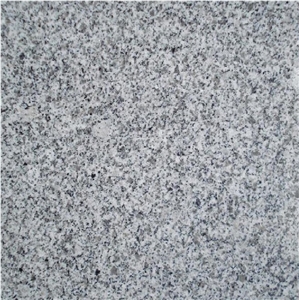
Cygnus Granite is a striking natural stone characterized by its dark earth grey to brown background, providing a rich and warm foundation. The surface features subtle veining in contrasting colors, which adds depth and complexity to the stone's appearance. This delicate interplay of tones creates a sophisticated and professional look, making Cygnus Granite an ideal choice for various applications, including countertops, flooring, and wall cladding. Its elegant aesthetic and durable nature make it suitable for both residential and commercial spaces, offering a timeless appeal that complements a wide range of design styles. Quarried in Brazil, this granite not only showcases the beauty of nature but also embodies the high quality associated with Brazilian stone.
Mineralogical Composition of Cygnus Granite % wt:
- Quartz: 27%
- Plagioclase feldspar: 40%
- Potassium feldspar: 16%
- Biotite: 10%
- Amphibole: 5%
- Magnetite: 2%
Chemical Analysis of Cygnus Granite
Cygnus granite is a type of igneous rock that is composed mostly of feldspar, quartz, and some dark minerals such as biotite and hornblende. The chemical composition of Cygnus granite typically includes the following major elements:
- Silicon dioxide (SiO2): 65-75%
- Aluminum oxide (Al2O3): 12-15%
- Potassium oxide (K2O): 4-6%
- Sodium oxide (Na2O): 3-5%
- Calcium oxide (CaO): 1-3%
- Iron oxide (Fe2O3): 1-3%
- Magnesium oxide (MgO): 0.5-1%
- Titanium dioxide (TiO2): 0.1-0.5%
In addition to these major elements, Cygnus granite may also contain trace amounts of other elements such as manganese, phosphorus, and sulfur. The exact composition of Cygnus granite can vary depending on the specific geological processes that formed it and the geographic location where it is found.


 Brazil

 United States


 China


 India


 Spain

 Italy


 Australia


