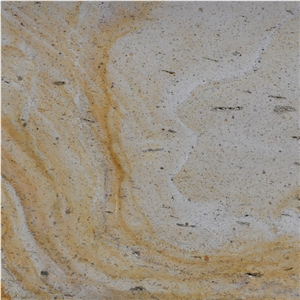
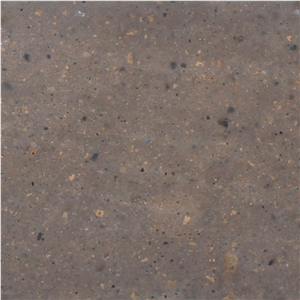
Develi Tuff is a type of Turkish volcanic stone commonly used in construction for various applications including interior and exterior design. However, when it comes to using Develi Tuff in very sunny climates for exterior applications, it is important to consider a few factors:
1. Color Fading: Excessive exposure to sunlight, especially in extremely sunny climates, can cause some stones to fade or change color over time. Develi Tuff is generally light in color and may be more prone to fading under prolonged exposure to direct sunlight.
2. Durability: Develi Tuff is a relatively soft and porous stone compared to other types of natural stones. It may not be as durable as granite, sandstone, or other stones typically used in outdoor applications. The constant exposure to extreme sunlight can accelerate the weathering process and potentially reduce its lifespan.
3. Maintenance: Given its porous nature, Develi Tuff can absorb water and moisture, which might lead to discoloration or staining. In very sunny climates, it is important to ensure proper sealing and regular maintenance to protect the stone and enhance its longevity.
4. Temperature Changes: In areas with very sunny climates, there can be significant temperature fluctuations throughout the day. These rapid changes in temperature can affect the response of Develi Tuff, potentially leading to cracks or breakages over time.
Considering these factors, while Develi Tuff can be used for exterior applications in very sunny climates, it may require extra care, maintenance, and protection to mitigate the potential issues mentioned above. It is recommended to consult with professionals who have expertise in using Develi Tuff in such climates to ensure its suitability and proper installation.


 Turkey




 Armenia



 South Korea

 China

 Spain