Post Your Needs

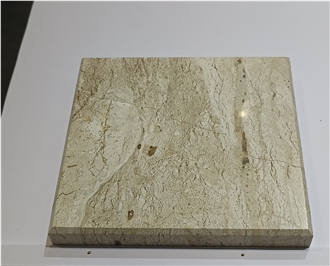
Ekachai Beige Travertine

Travertine

Thailand

About

Item Details

Material Type:
Travertine
Origin:
Thailand
Recommended Usage:
Kitchen and bathroom countertops, wash basins, building stone, ornamental stone, stairs, interior, exterior wall and floor applications, mosaic, waterjet pattern, wall panels, table tops, balustrades, columns, wall and pool copings, pool pavers, fireplaces
Additional Names:
Thai Beige Travertine, Ekachai Travertine, Ekachai Cream Travertine, in China stone market:意可采米黄(Yì kě cǎi mǐ huáng), Ekachai Beige Travertine
Finished Surface:
Polished,Bush Hammered,Tumbled,Brushed,Honed,Split,Machine Cut,Natural Surface,Sandblasted,Combed,Leathered,Water Jet,Filled,Chiseled,Pickling

Testing

Water Absorption:
2.0 – 8.0 % by weight
Density:
2400 – 2600 kg/m³
Flexural Strength:
8 – 12 MPa
Compressive Strength:
60 – 80 MPa

Description

Ekachai Beige Travertine is a natural stone quarried in Thailand, appreciated for its warm beige to light cream background and timeless Mediterranean character. The stone displays natural sedimentary layers, subtle linear veining, and the distinctive cavities and pitting inherent to travertine formed through mineral spring deposition. Its soft, neutral tones make it highly versatile for both classic and contemporary architectural designs.

Visual Characteristics

  • Base Color: Warm beige to light cream
  • Veining: Subtle, linear to cloud-like veining following sedimentary layers
  • Pattern: Natural horizontal or cross-cut banding, depending on cutting orientation
  • Texture: Organic, with visible pores and cavities typical of travertine

Overall Appearance:

  • Soft, elegant, natural, and timeless
  • Cavities may be left open for a rustic aesthetic or filled to achieve a smoother, more refined surface.

Physical & Mechanical Properties

Values are representative ranges typical for beige travertine; exact results depend on quarry batch and testing standards. 

  • Density: approx. 2,400 – 2,600 kg/m³
  • Water Absorption: approx. 2.0 – 8.0 % by weight (lower when filled and sealed)
  • Compressive Strength: approx. 60 – 80 MPa
  • Flexural Strength: approx. 8 – 12 MPa
  • Abrasion Resistance: Moderate
  • Mohs Hardness: approx. 3.0 – 4.0

Chemical & Mineral Composition

Calcium Carbonate (CaCO₃ – Calcite): approx. 90 – 98 %

Minor Components:

  • Aragonite
  • Magnesium Oxide (MgO)
  • Silicon Dioxide (SiO₂)
  • Iron Oxides (Fe₂O₃)

As a calcite-based stone, Ekachai Beige Travertine is sensitive to acids and requires appropriate care.

Recommended Uses:

  • Interior flooring and wall cladding
  • Bathrooms and shower walls (properly sealed)
  • Living areas, corridors, and lobbies
  • Stair treads and risers
  • Fireplace surrounds and feature walls
  • Exterior façades in mild climates
  • Terraces and pool surrounds with non-slip finishes

Its warm tone and natural texture make it especially popular in hospitality, residential, and resort projects.

Maintenance & Care

  • Sealing: Strongly recommended at installation and periodically thereafter
  • Cleaning: Use pH-neutral stone cleaners only
  • Avoid: Acidic or abrasive cleaners, vinegar, citrus-based products
  • Wear Consideration: Honed, brushed, or tumbled finishes better disguise wear in high-traffic areas

With proper sealing and routine care, Ekachai Beige Travertine maintains its appearance for decades.

Surface Finish Options

  • Honed – Smooth, matte, natural appearance
  • Polished – Glossy surface enhancing color depth
  • Filled & Honed / Filled & Polished – Improved cleanability and uniformity
  • Brushed – Soft, textured feel
  • Tumbled – Antique, rustic look
  • Sanded / Sawn Cut – Natural, architectural finish
  • Antiqued – Aged, traditional character

Ekachai Beige Travertine offers a balanced combination of warmth, natural texture, and architectural versatility. While softer than granite or quartzite, it delivers excellent aesthetic value when properly sealed and maintained, making it a preferred choice for elegant interiors and thoughtfully designed exterior spaces.

FAQ

How to make Ekachai Beige Travertine pavers waterproof?

To make Ekachai Beige Travertine pavers waterproof, you can follow these steps: 1. **Clean the Surface:** - Begin by thoroughly cleaning the pavers. Remove any dirt, debris, or stains using a mild detergent and a pressure washer or scrubbing brush. - Ensure the pavers are completely dry before proceeding to the next step. 2. **Repair Cracks or Holes:** - Inspect the pavers for any cracks or holes. Fill these imperfections with a suitable travertine filler or patching compound to ensure a smooth surface. 3. **Choose the Right Sealer:** - Select a high-quality, penetrating sealer specifically designed for natural stone such as travertine. Penetrating sealers are recommended as they allow the stone to breathe while providing a good level of protection. 4. **Test the Sealer:** - Before applying the sealer to the entire surface, test it on a small, inconspicuous area to ensure it doesnt alter the appearance of the stone unfavorably. 5. **Apply the Sealer:** - Using a paint roller, brush, or garden sprayer, evenly apply the sealer to the paver surface. Follow the manufacturers instructions regarding the application rate and process. - Ensure you cover the entire surface, including joints and grout lines, to create a uniform barrier. 6. **Allow to Dry:** - Let the first coat of sealer dry according to the manufacturer’s instructions. This typically takes several hours. 7. **Apply Additional Coats:** - For enhanced protection, you may need to apply multiple coats. Two to three coats are generally recommended, with proper drying time in between each coat. 8. **Curing Time:** - Allow the sealed pavers to cure completely. This can take anywhere from 24 to 48 hours, depending on environmental conditions such as temperature and humidity. 9. **Regular Maintenance:** - To maintain the waterproofing and appearance of the travertine pavers, clean them regularly and reapply the sealer every 1 to 2 years, or as recommended by the sealer manufacturer. By following these steps, you can effectively make Ekachai Beige Travertine pavers more resistant to water and extend their lifespan.
Does water permanently stain Ekachai Beige Travertine vanity top?

Ekachai Beige Travertine, like other natural stone surfaces, can be sensitive to water and other liquids if not properly sealed. Water on its own typically does not cause permanent stains on travertine. However, if the travertine is not sealed correctly or is left exposed to water for prolonged periods, it can lead to etching (a dull mark), which might appear as a stain. To prevent water from permanently affecting your Ekachai Beige Travertine vanity top, youre advised to: 1. **Seal the Surface**: Ensure that your travertine vanity top is well-sealed using a high-quality, penetrating stone sealer. This helps to repel water and stains. 2. **Clean Spills Promptly**: Wipe up any water or other spills as soon as possible to prevent the chance of etching. 3. **Regular Maintenance**: Clean the surface regularly with a pH-neutral cleaner and reapply sealer as recommended by the manufacturer to maintain the stones resistance to water and staining. If you notice a stain or etch mark, consult a stone care professional to evaluate and suggest ways to restore your travertines appearance.

Is Ekachai Beige Travertine good for kitchen countertops?

Ekachai Beige Travertine can be a suitable option for kitchen countertops, but there are several factors to consider before making a decision: 1. **Aesthetic Appeal**: Ekachai Beige Travertine offers a warm, natural look with its beige hue and subtle veining, which can complement various kitchen styles. 2. **Porosity and Staining**: Travertine is more porous than other stones like granite or quartz, meaning it can stain more easily from spills of wine, coffee, oils, and acidic substances. Regular sealing can help mitigate this issue, but ongoing maintenance is necessary. 3. **Durability**: Travertine is durable, but it is softer than granite and can be more prone to scratching or etching from acidic substances. Using cutting boards and avoiding placing hot pans directly on the surface can help preserve its condition. 4. **Maintenance**: To keep travertine looking its best, you would need to clean it regularly with a pH-neutral cleaner and seal it periodically to reduce staining and etching risks. 5. **Cost**: Travertine is often more affordable than marble or granite, making it a budget-friendly option for some homeowners. 6. **Personal Preference**: Ultimately, whether Ekachai Beige Travertine is a good choice depends on your personal preferences regarding aesthetics, maintenance willingness, and how you use your kitchen. Considering these factors, if you are willing to maintain it properly, Ekachai Beige Travertine can be a beautiful choice for a kitchen countertop.

Can Ekachai Beige Travertine be scratched with a knife?

Ekachai Beige Travertine, like most travertine stones, is a type of limestone and is relatively soft compared to other natural stones such as granite or quartzite. Travertine typically has a Mohs hardness of about 3-4, making it susceptible to scratches from harder materials. A typical kitchen knife, depending on the material and hardness of its blade, can scratch travertine. Knives are usually made of steel, which generally has a higher Mohs hardness than travertine. Therefore, its possible to scratch Ekachai Beige Travertine with a knife. To avoid this, its recommended to use cutting boards and avoid dragging sharp objects directly on the surface of the travertine. Regular maintenance and proper sealing can also help protect the stone from damage over time.

Do I need a special blade to cut 3cm thick Ekachai Beige Travertine tile?

Cutting 3cm thick Ekachai Beige Travertine tile requires a diamond blade, which is specifically designed for cutting through hard materials like stone and tile. Youll want to use a wet saw with a diamond blade to ensure clean cuts and to minimize dust and overheating. A wet saw will use water to cool the blade and eliminate dust, which is important for both safety and the longevity of the blade. Make sure to follow the manufacturers guidelines regarding the type of diamond blade suitable for travertine and the saws operating instructions for the best results.

How can I clean the grout of antique finish Ekachai Beige Travertine wall tiles?

Cleaning the grout of antique finish Ekachai Beige Travertine wall tiles requires some care to ensure that both the grout and the tiles are not damaged in the process. Heres a step-by-step guide to help you clean the grout effectively: ### Materials Needed: - Soft brush or toothbrush - Microfiber cloths - Bucket - pH-neutral stone cleaner or mild dish soap - Warm water - Baking soda (optional, for tough stains) - Sealant (if you need to reseal the grout after cleaning) ### Instructions: 1. **Prepare the Cleaning Solution:** - Mix a small amount of pH-neutral stone cleaner or mild dish soap with warm water in a bucket. Follow the instructions on the cleaner’s label regarding dilution. - Avoid acidic or harsh cleaners, including vinegar, as they can damage travertine and the grout. 2. **Apply the Solution:** - Dip the soft brush or toothbrush into the cleaning solution and gently scrub the grout lines. - Use circular motions and be careful not to scrub the tiles too aggressively to avoid scratching the finish. 3. **Rinse:** - Once you have scrubbed the grout lines, rinse the area with clean water using a microfiber cloth to remove the cleaner and any dirt or debris. 4. **Tough Stains (Optional):** - For particularly stubborn stains, you can make a paste of baking soda and water. - Apply the paste to the stained grout and let it sit for about 10-15 minutes. - Gently scrub with the brush and rinse thoroughly with clean water. 5. **Dry:** - Use a clean, dry microfiber cloth to wipe away any excess moisture. This helps prevent water spots and streaking on your travertine tiles. 6. **Seal the Grout:** - If the grout is unsealed or requires resealing, apply a grout sealant according to the manufacturers instructions after the area has completely dried. This will help protect the grout from future staining and make it easier to clean. ### Additional Tips: - Regular maintenance can prevent buildup, so consider cleaning the grout every few weeks. - Always test any cleaning solution in an inconspicuous area first to ensure it does not affect the color or finish. - Keep the area well-ventilated during cleaning to help with drying and to disperse any cleaning solution fumes. Following these steps should help you maintain the beauty and integrity of both the grout and the Ekachai Beige Travertine wall tiles.

Products & Prices

Hot Travertine

New Travertine

Post Your Request

The request includes:
  1. surface finished, size
  2. quantity required