Post Your Needs

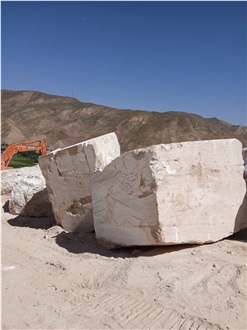
Maidan Wardak Travertine

Travertine

Afghanistan

About

Item Details

Material Type:
Travertine
Origin:
Afghanistan (Maidan Wardak province)
Recommended Usage:
planters, fountains, facade, urban street furnitures, building stone, ornamental stone, stairs, interior, exterior wall applications, mosaic, waterjet pattern, wall panels, table tops, balustrades, columns, wall and pool copings, pool pavers, fireplaces
Additional Names:
Afghanistan Gold Travertine, Afghan Travertine, Wardak Romano Travertine, Wardak Classic Travertine
Finished Surface:
Polished,Bush Hammered,Tumbled,Brushed,Honed,Split,Machine Cut,Natural Surface,Sandblasted,Combed,Leathered,Water Jet,Filled,Chiseled,Pickling

Testing

Water Absorption:
0.4 – 1.5 % by weight
Density:
2450 – 2550 kg/m³
Flexural Strength:
11 – 13 MPa
Compressive Strength:
90 – 110 MPa

Description

Maidan Wardak Travertine is a natural calcareous stone quarried in Maidan Wardak Province, Afghanistan, characterized by warm light cream, beige, ivory, and soft brown tones. It typically displays both linear vein-cut structures and cloud-like cross-cut patterns, depending on the quarry section, along with naturally occurring pores and voids typical of travertine deposits formed by calcium carbonate precipitation from mineral-rich waters.

Color & Appearance

  • Dominant colors: light cream, beige, ivory, soft brown
  • Secondary tones: occasional tan, honey, or faint rusty shades
  • Pattern: Linear banding (vein-cut); Cloudy, diffuse movement (cross-cut)
  • Visual variation: uniform to moderately varied depending on block selection

Texture & Structure

  • Texture: porous, pitted, and naturally perforated with visible holes/voids
  • Structure: microcrystalline to fine-grained calcite matrix
  • Fabric: layered/banded sedimentary structure
  • Surface feel: Honed → smooth matte Polished → glossy with enhanced depth
  • Porosity: high, due to gas escape and organic decomposition during formation

Physical & Mechanical Properties

  • Density: 2450 – 2550 kg/m³
  • Water Absorption: 0.4 – 1.5 % (by weight)
  • Compressive Strength: 90 – 110 MPa
  • Flexural Strength: 11 – 13 MPa
  • Hardness: Mohs 3 – 4
  • Porosity: ~10 – 30% (can vary depending on void content)

Chemical Composition (% by weight)

  • Calcium Carbonate (CaCO₃): 88 – 95%
  • Magnesium Carbonate (MgCO₃): 1 – 3%
  • Silica (SiO₂): 1 – 2%
  • Iron Oxide (Fe₂O₃): 0.3 – 1% (affects beige/brown tones)
  • Alumina & trace minerals: 2 – 5%

Mineralogical Composition

Primary mineral: Calcite (dominant)

Secondary minerals:

  • Aragonite
  • Quartz (trace)
  • Clay minerals
  • Iron hydroxides (coloring agents)

Applications / Usage

  • Interior & exterior wall cladding
  • Flooring (residential and commercial)
  • Bathroom and spa surfaces
  • Staircases and risers
  • Facades and ventilated cladding systems
  • Landscaping, garden paving, and pool surrounds
  • Decorative elements (columns, sinks, fireplaces)

Surface Finish Options

Polished, Honed, Filled & polished / honed, Unfilled (natural open pores), Tumbled (antique look), Brushed, Sandblasted, Bush-hammered, Chiseled / split face

Maintenance

  • Requires sealing due to natural porosity
  • Periodic resealing recommended for stain resistance
  • Avoid acidic cleaners (can react with calcium carbonate)
  • Clean with pH-neutral stone cleaners
  • Filling holes improves durability and ease of cleaning
  • Suitable for moderate traffic with proper care

Key Characteristics

  • Warm, neutral color palette suitable for architectural design
  • Naturally porous with distinctive voids and textures
  • Good workability and ease of cutting/shaping
  • Moderate strength with aesthetic versatility
  • Each slab/block is unique due to natural formation patterns

This Maidan Wardak travertine is especially valued for its soft earthy tones, natural void structure, and dual pattern availability (vein-cut and cross-cut), making it a versatile material for both classic and contemporary architectural applications.

Buyer Demand for Maidan Wardak Travertine

Buyers
2 since 2018 · 1 in the last 36 months · from 2 countries
Top buyer countries
Afghanistan · Pakistan
Most requested
Slabs 50% · Tiles 50% · Blocks 50%
Latest request
Aug 2025

FAQ

Is Maidan Wardak Travertine a suitable choice for facades in cold winter climates?

Maidan Wardak Travertine, like other types of travertine, can be used for facades in cold winter climates, but there are several considerations to keep in mind to ensure its suitability and longevity: 1. **Porosity and Water Absorption**: Travertine is a porous stone, which means it can absorb water. In cold climates, if moisture gets into the stone and then freezes, it can cause the stone to crack or spall over time. To address this, Maidan Wardak Travertine should be properly sealed with a high-quality penetrating sealer to reduce water absorption. 2. **Freeze-Thaw Cycles**: The stones ability to withstand freeze-thaw cycles is crucial. While sealing helps, selecting a travertine with a lower porosity level can provide better resilience in such conditions. Its essential to verify that the Maidan Wardak Travertine has a suitable rating for freeze-thaw environments. 3. **Installation**: Proper installation is critical. Ensuring that the stone is installed with good drainage and ventilation will help reduce moisture retention and hence the risk of freeze-thaw damage. The installation should allow for expansion and contraction due to temperature changes. 4. **Maintenance**: Regular maintenance, including re-sealing every few years, is important to maintain the stones protective barrier against moisture ingress. 5. **Expert Consultation**: Consulting with an architect or structural engineer experienced with stone facades in cold climates can provide additional insights specific to the project location and conditions. If these precautions are taken, Maidan Wardak Travertine can be a suitable choice for facades in cold winter climates. However, ongoing care and maintenance are essential for the longevity and appearance of the stone.
Can 20mm thick Maidan Wardak Travertine be used for stair steps?

Yes, 20mm thick Maidan Wardak Travertine can be used for stair steps, but there are several factors to consider. Travertine is a natural stone and is often chosen for its aesthetic appeal, but it also needs to meet certain functional requirements when used as stair treads: 1. **Strength and Durability**: Travertine is generally a durable material, but its ability to withstand weight and wear depends on the quality and how the stone has been processed. Ensure that the stone has been properly treated and reinforced if necessary. 2. **Thickness**: While 20mm is often the minimum acceptable thickness for stair treads, it is important to ensure that the stone is adequately supported and reinforced, especially in high-traffic areas, to prevent cracking or breakage. 3. **Finish**: The finish on the stones surface will influence its slip-resistance. A honed or textured finish is often preferable for stairs to reduce the risk of slipping. 4. **Installation**: Proper installation by a professional is crucial. This includes ensuring that each piece is securely fixed and that the support structure is adequate for the stones weight and thickness. 5. **Maintenance**: Travertine requires periodic sealing to maintain its appearance and resistance to stains. This is particularly important for outdoor stairways or those exposed to water. In conclusion, while Maidan Wardak Travertine can be used for stair steps, it is essential to consider these factors and consult with a professional to ensure safety and longevity.

How can I give Maidan Wardak Travertine tiles an antique look?

To give Maidan Wardak Travertine tiles an antique or aged look, you can follow these general steps. Ensure you have all the necessary materials and tools before you start, and consider trying these techniques on a small, inconspicuous area or a spare tile first to see how the tiles react: 1. **Gather Materials:** - Mild soap or stone cleaner - Soft cloths or a mop - Sandpaper or a sanding block (medium and fine grit) - Antiquing glaze or stone enhancer - Sealant specifically for travertine - Paintbrush or sponge - Protective gear (gloves, goggles, mask) 2. **Clean the Tiles:** - Thoroughly clean the tiles to remove any dirt, grease, or residues. Use a mild soap or a stone cleaner and a soft cloth or mop. 3. **Sand the Surface:** - Lightly sand the surface of the tiles using medium-grit sandpaper to create a worn look. Focus on the edges and high spots to mimic natural wear. Follow up with fine-grit sandpaper for a smoother finish. 4. **Apply Antiquing Glaze:** - Mix or shake the antiquing glaze well. Using a paintbrush or sponge, apply a thin, even layer over the tiles. The glaze will settle into imperfections and give the tiles an aged patina. Wipe off any excess with a clean cloth to achieve the desired level of antiquing. 5. **Buff the Surface:** - After the glaze has dried, buff the surface with a soft cloth to remove any residual glaze and enhance the aged effect. 6. **Seal the Tiles:** - Once you’re satisfied with the appearance, seal the tiles to protect the surface and enhance durability. Choose a sealer compatible with travertine, and follow the manufacturer’s instructions for application. Ensure the area is well-ventilated during this step. 7. **Regular Maintenance:** - To maintain the antique look, clean the tiles with a pH-neutral cleaner designed for natural stone. Avoid harsh chemicals and abrasive cleaning tools. Keep in mind that achieving an antique look is somewhat subjective and may require some experimentation to match your vision. Additionally, if you feel unsure about the process, consider consulting with a professional who specializes in stonework or antiquing finishes.

Can Maidan Wardak Travertine be used for a fireplace mantel?

Yes, Maidan Wardak Travertine can be used for a fireplace mantel. Travertine is a type of natural stone that is both durable and aesthetically pleasing, making it a popular choice for various interior applications, including fireplace mantels. Its unique texture and color variations can add a distinctive look to the fireplace area. However, its important to ensure proper sealing and maintenance, as travertine is porous and can be prone to staining if not properly cared for. Additionally, because it can be sensitive to extreme heat, it’s advisable to check with a professional to ensure that the specific installation is suitable for a fireplace mantel.

Can un-filled surface Maidan Wardak Travertine be used for kitchen countertop?

Using un-filled Maidan Wardak Travertine for a kitchen countertop can be challenging due to the natural characteristics of travertine. Travertine is a type of limestone that is known for its porous surface and distinct natural holes and crevices. Here are a few points to consider: 1. **Porosity**: Un-filled travertine has natural pits and holes that can trap food particles and liquids, leading to staining and bacterial growth. This can make it difficult to maintain in a kitchen setting, where hygiene and cleanliness are crucial. 2. **Sealing**: To make travertine suitable for use in a kitchen, it should be properly sealed. Sealing fills the pores and creates a protective layer against stains and spills. However, this sealing needs to be maintained and periodically redone to remain effective. 3. **Durability**: While travertine is relatively durable, it is softer than other natural stones like granite or quartz. It may be prone to scratching, etching from acidic substances like lemon juice or vinegar, and chipping, especially if it isn’t filled. 4. **Aesthetic and Texture**: Some people appreciate the rustic, natural look of un-filled travertine. However, the texture might not be ideal for a kitchen countertop that’s used frequently for cooking and food preparation. 5. **Maintenance**: Keeping an un-filled travertine countertop clean requires more effort compared to other materials. Regular cleaning and the application of sealants are necessary to protect the stone. If you are considering using Maidan Wardak Travertine for a countertop, you may want to have it filled and polished to enhance its performance and ease of maintenance in the kitchen. Alternatively, discussing with a stone professional can provide more guidance tailored to your specific needs and preferences.

Can 3 cm thick Maidan Wardak Travertine pavers be used for a garden walkway?

Yes, 3 cm thick Maidan Wardak Travertine pavers can be used for a garden walkway. Travertine is a durable and attractive natural stone that is well-suited for outdoor use. When installing pavers for a walkway, its important to ensure they are laid on a properly prepared base to provide stability and prevent shifting over time. A base of compacted gravel and sand is typically recommended to support the pavers. Additionally, consider factors such as climate, the expected foot traffic, and maintenance to ensure the walkway remains in good condition.

Products & Prices

Hot Travertine

New Travertine

Post Your Request

The request includes:
  1. surface finished, size
  2. quantity required