Post Your Needs

Fantastic Blue Quartzite

Quartzite

Brazil

About

Item Details

Material Type:
Quartzite
Origin:
Brazil (Bahia)
Recommended Usage:
kitchen and bathroom countertop, wash basins, building stone, ornamental stone, stairs, interior wall and floor applications, mosaic, water-jet pattern, wall panels, table tops, balustrades, columns, fireplaces, luxury furniture
Additional Names:
Azul Fantastico Quartzite, Azul Bahia Quartzite, Azul Tropical Quartzite, Azul Imperial Quartzite
Finished Surface:
Polished,Bush Hammered,Tumbled,Brushed,Honed,Split,Machine Cut,Natural Surface,Sandblasted,Combed,Leathered,Water Jet,Chiseled,Pickling

Testing

Water Absorption:
0.11 % by weight
Density:
2680 kg/m3
Flexural Strength:
20.30 MPa
Compressive Strength:
210.20 MPa

Description

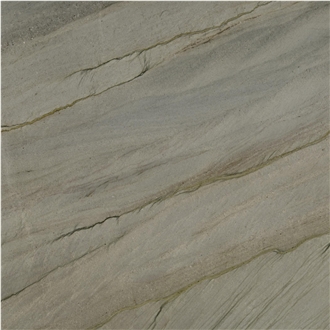
Fantastic Blue Quartzite features a soft, muted pale greenish-grey to sage-green base with a fine, sandy-grain texture, distinctive diagonal bluish-grey streaks resembling brushstrokes or mist, faint linear variations, and scattered micro-specks including tiny dark and occasional orange dots, quarried in Brazil.

Color & Appearance:

Fantastic Blue Quartzite features a soft, muted pale greenish-grey to sage-green base with a calm, refined appearance and subtle natural tonal variations.

Texture & Structure:

Fine- to medium-grained crystalline texture with a dense, compact structure and a fine sandy-grain visual character. The interlocking crystalline structure provides a hard and durable surface.

Pattern & Veining:

Distinctive diagonal bluish-grey streaks resembling delicate brushstrokes or mist traverse the slab, accompanied by faint linear variations and scattered micro-specks, including tiny dark and occasional orange mineral dots.

Technical Characteristics:

  • Water Absorption: 0.10–0.20% by weight
  • Density: 2680–2700 kg/m³
  • Flexural Strength: 20–21 MPa
  • Compressive Strength: 210–220 MPa
  • Apparent Porosity: 0.20–0.80%
  • Hardness: 6–7 Mohs

Mineral Composition (% by weight):

  • Quartz: 75–90%
  • Feldspar: 5–12%
  • Mica: 2–6%
  • Chlorite/Epidote: 1–5%
  • Iron-bearing Minerals: 0–2%
  • Accessory Minerals: 0–2%

Chemical Composition (% by weight):

  • SiO₂: 75–90%
  • Al₂O₃: 4–12%
  • Fe₂O₃: 1–4%
  • K₂O: 1–4%
  • Na₂O: 1–4%
  • MgO: 0.5–3%
  • CaO: 0–2%
  • Other Oxides: 0–2%

Usage:

Suitable for kitchen countertops, vanity tops, backsplashes, feature walls, wall cladding, interior and exterior flooring, stairs, fireplace surrounds, tables, furniture, reception areas, and other high-end residential and commercial architectural applications.

Finishes:

Polished, honed, leathered, brushed, flamed, sandblasted, and custom finishes.

Maintenance:

Clean with a pH-neutral stone cleaner and a soft cloth or mop. Avoid strong acids, abrasive cleaners, and harsh chemicals. Seal according to the stone's porosity and intended application, particularly for countertops and other stain-prone surfaces. Wipe spills promptly.

FAQ

Can I use bleach when cleaning a Fantastic Blue Quartzite kitchen countertop?

Using bleach on a Fantastic Blue Quartzite kitchen countertop is not recommended. Quartzite is a natural stone, and while its generally more robust and resistant to etching compared to marble, some quartzite surfaces can still be sensitive to harsh chemicals like bleach. Bleach can potentially damage the surface and may also lead to discoloration or dullness over time. Instead, its better to use a pH-balanced stone cleaner or a mild dish soap with warm water for regular cleaning. Always use a soft cloth or sponge to avoid scratches, and make sure to rinse the surface thoroughly with water to remove any soap residue. For tough stains or deep cleaning, its advisable to consult with or hire a professional who is experienced with natural stone surfaces.

How can I remove a red sauce stain from a Fantastic Blue Quartzite kitchen countertop?

Removing a red sauce stain from a Fantastic Blue Quartzite countertop involves a few careful steps to avoid damaging the stone. Heres how you can tackle the stain: 1. **Act Quickly**: The sooner you address the stain, the better your chances of removing it completely. 2. **Blot the Stain**: Use a clean, dry paper towel or a soft cloth to gently blot up any excess sauce. Avoid rubbing, as this can spread the stain. 3. **Prepare a Cleaning Solution**: Mix a few drops of a gentle, pH-neutral dish soap with warm water. Avoid using acidic or abrasive cleaners as they can damage the stone. 4. **Clean the Area**: Dampen a soft cloth or sponge with the soapy solution and gently clean the stained area. Rinse the cloth and repeat until the stain is removed. 5. **Use a Poultice**: If the stain persists, you may need to use a poultice. Mix baking soda and water to form a paste with the consistency of peanut butter. Apply the paste over the stain, cover it with plastic wrap, and let it sit overnight. The poultice will draw the stain out of the stone. 6. **Rinse and Dry**: Remove the poultice with a damp cloth, rinse the area thoroughly with water, and dry it with a clean, soft cloth. 7. **Seal the Countertop**: Quartzite is a porous natural stone, so consider sealing the countertop if it hasn’t been sealed to help prevent future stains. Follow the manufacturer’s instructions for application. 8. **Consult a Professional**: If the stain is stubborn and wont come out, it may be best to contact a professional stone care specialist to avoid causing any damage. By following these steps, you should be able to successfully remove the stain without harming your quartzite countertop.

Are red wine stains on a Fantastic Blue Quartzite kitchen countertop permanent?

Red wine stains on a Fantastic Blue Quartzite kitchen countertop may not necessarily be permanent, but quick action is important to prevent lasting damage. Quartzite is a natural stone that is more durable and less porous than marble but can still absorb stains if not sealed properly. Here are some steps to remove red wine stains: 1. **Act Quickly**: Blot (do not rub) the stain with a clean cloth or paper towel to absorb as much of the wine as possible. 2. **Clean the Area**: Mix a mild dish soap with warm water and gently scrub the area with a soft cloth. Rinse with clean water and dry thoroughly. 3. **Poultice Paste**: If the stain persists, you might need to use a poultice paste, which can be made with baking soda and water. Apply the paste to the stain, cover with plastic wrap, and let it sit for 24 hours. Then remove the paste and rinse thoroughly. 4. **Commercial Stone Cleaner**: Consider using a cleaner specifically designed for natural stone. Ensure it is suitable for quartzite. 5. **Professional Help**: If the stain remains, you may need to consult with a professional stone care specialist for further treatment. To prevent future stains, ensure your countertop is properly sealed and clean up spills immediately. Regular resealing is recommended to maintain the countertop’s resistance to stains.

Which Fantastic Blue Quartzite thickness is best for residential stair treads?

When selecting the thickness of Fantastic Blue Quartzite for residential stair treads, its important to consider both aesthetics and structural integrity. A common thickness for stone stair treads in residential settings is between 1.25 inches (approximately 3 cm) and 2 inches (approximately 5 cm). This range provides a good balance of strength, durability, and visual appeal. - **1.25 inches (3 cm):** This thickness is often sufficient for most residential applications, offering a sleek look while providing ample strength for normal foot traffic. - **2 inches (5 cm):** Opting for a 2-inch thickness can offer additional strength and a more substantial appearance. This might be preferable in homes with heavier use, or if you desire a more robust look. Ultimately, the choice of thickness might also depend on the design style, the substructure supporting the stair treads, and personal preference. Ensure that any installation complies with local building codes and standards. Consulting with a professional or a stone fabricator can provide guidance tailored to your specific project needs.

Can Fantastic Blue Quartzite be repaired if chipped?

Yes, Fantastic Blue Quartzite can be repaired if chipped. The process generally involves the following steps: 1. **Cleaning the Area**: The chipped area needs to be cleaned thoroughly to remove any dust or debris, allowing the adhesive to bond properly. 2. **Color Matching**: A color-matched epoxy or resin is selected to match the quartzite as closely as possible. This ensures the repair is less visible. 3. **Filling the Chip**: The epoxy or resin is carefully applied to fill the chipped area. In some cases, multiple layers may be necessary to build up the surface to the level of the surrounding area. 4. **Sanding and Polishing**: Once the filler has cured, the surface is sanded and polished to match the finish of the quartzite, restoring its original look and feel. 5. **Sealing**: After the repair, its recommended to reseal the quartzite to protect it from future damage. While small chips can be repaired by homeowners using repair kits available in the market, for larger or more noticeable damage, it might be best to hire a professional to achieve a seamless repair.

Does Fantastic Blue Quartzite show fingerprints and water spots?

Fantastic Blue Quartzite is less likely to show fingerprints and water spots compared to other materials like stainless steel or glass. Quartzite is a natural stone, and its relatively dense and hard surface helps resist staining and water absorption. However, like any natural stone, it can still show some water spots or fingerprints, especially if it isnt sealed properly or maintained regularly. Using a high-quality sealant and cleaning with a pH-neutral cleaner can help minimize these issues and keep the surface looking pristine. Regular maintenance is key to reducing the appearance of such marks.

Hot Quartzite

New Quartzite

Post Your Request

The request includes:
  1. surface finished, size
  2. quantity required