Post Your Needs

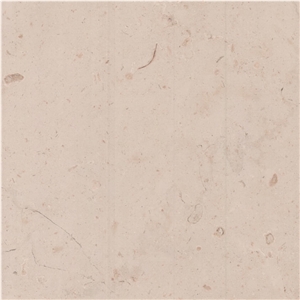
Fosil Seif Lumaquela Limestone

Limestone

Spain

About

Item Details

Material Type:
Limestone
Origin:
Spain (Albatana, Murcia)
Recommended Usage:
planters, fountains, facade, urban street furnitures, building stone, ornamental stone, stairs, interior, exterior wall applications, mosaic, waterjet pattern, wall panels, table tops, balustrades, columns, wall and pool copings, pool pavers, fireplaces
Additional Names:
Piedra Fósil Seif Lumaquela
Finished Surface:
Polished,Bush Hammered,Tumbled,Brushed,Honed,Split,Machine Cut,Natural Surface,Sandblasted,Combed,Leathered,Water Jet,Filled,Chiseled,Pickling

Testing

Water Absorption:
2.20% by weight
Density:
2380 Kg/m³
Flexural Strength:
8.95 MPa - 91.29 kg/cm2
Compressive Strength:
52.72 MPa - 537.64 kg/cm2

Description

Stone Name: Fosil Seif Lumaquela

Stone Type: Limestone (Carcarenita / fossiliferous limestone)

Origin / Quarry Location: Albatana, Murcia, Spain

Geological Nature: Sedimentary limestone rich in compacted calcium carbonate and marine organic matter.

Aesthetic Characteristics

Color & Background

  • Homogeneous dim yellow tone
  • Occasional soft pink shadows or faint blushes

Texture

  • Medium-density fossil matrix
  • Mostly fine-to-medium grain
  • Contains abundant fossil inclusions with a tactile natural surface

Pattern

  • High concentration of visible marine fossils
  • Shell fragments dominant throughout the stone
  • Organic, irregular, and naturally decorative fossil distribution

Physical & Mechanical Properties (All values based on provided certified test results)

  • Apparent Density 2.38 g/cm³
  • Water Absorption 2.20%
  • Flexural Strength 91.29 kg/cm²
  • Compressive Strength 537.64 kg/cm²
  • Compressive Strength After 25 Freeze–Thaw Cycles 19.08 MPa
  • Abrasion Resistance 11.72 mm
  • Impact Resistance 22 cm 
  • Hardness Mohs Hardness: Approx. 3 – 4 (typical for fossil limestone)

Chemical Composition (% by weight)

(Approximate values typical for carcarenita limestones)

  • CaCO₃ (Calcium Carbonate): 92–96%
  • MgCO₃ (Magnesium Carbonate): 1–3%
  • SiO₂ (Silica): 1–2%
  • Fe₂O₃ (Iron Oxide): 0.2–0.6%
  • Al₂O₃: 0.1–0.3%
  • Organic fossil material: 1–2%

Mineral Composition (% by weight)

  • Calcite: 90–95%
  • Dolomite: 1–4%
  • Quartz: ±2%
  • Minor clay minerals: <1%

Maintenance Guidelines

  • Requires sealing after installation (penetrating sealer recommended)
  • Avoid acidic cleaners; use pH-neutral detergents
  • Regular sweeping to prevent abrasive wear
  • Re-sealing recommended every 1–2 years depending on usage
  • For exterior installations: periodic inspection due to absorption levels

FAQ

Does the surface of fossiliferous stone, Fosil Seif Lumaquela Limestone scratch easily?

Fossiliferous stone like Fosil Seif Lumaquela Limestone can vary in hardness depending on its specific composition and the types of fossils it contains. Limestones, in general, are composed primarily of calcium carbonate, which is relatively soft compared to harder stones like granite. This means that they can be more susceptible to scratching, especially when exposed to abrasive forces or materials. However, the presence of fossils, which might be made of more durable materials than the surrounding limestone matrix, could potentially offer some localized resistance to scratching. Still, its important to handle and maintain such stone surfaces carefully to avoid damage, using appropriate cleaning methods and sealants to protect the surface. If scratch resistance is a significant concern, it might be a good idea to consult with a professional who can assess the specific qualities of the stone and potentially recommend protective treatments or alternative materials that better suit your needs.

Can fossiliferous stone, Fosil Seif Lumaquela Limestone be used for swimming pool coping?

Fossiliferous stone, such as Fosil Seif Lumaquela Limestone, can be used for swimming pool coping, but several factors need to be considered before making this choice: 1. **Porosity and Water Absorption**: Limestone is generally quite porous, which means it can absorb water. If the stone absorbs too much water, it can lead to issues like cracking or spalling over time, especially in freeze-thaw climates. Sealing the stone properly can help mitigate these issues. 2. **Slip Resistance**: The stones surface texture should be considered for slip resistance. A polished limestone might be too slick when wet, while a more textured finish can provide better traction for safety around the pool. 3. **Durability and Maintenance**: Limestone is a softer stone, which means it can be more prone to etching or scratching compared to harder stones like granite. Regular maintenance might be necessary to maintain its appearance. 4. **Chemical Resistance**: Pool water contains chemicals like chlorine that can potentially affect natural stones. Ensure that the limestone you choose is sealed with a product that can resist pool chemicals. 5. **Aesthetics**: If you’re looking for a specific aesthetic appeal, the fossil patterns within the Fosil Seif Lumaquela Limestone can provide a unique and attractive look. 6. **Local Climate and Usage**: Consider the local climate and how frequently the pool will be used. Limestone can heat up in the sun, so it might become too hot to touch in warm climates. If these factors align with your projects requirements, fossiliferous limestone can be a suitable and attractive choice for pool coping. Always consult with a stone professional or contractor who can provide specific advice on sealing, installation, and maintenance tailored to your locale and use case.

Can fossiliferous stone, Fosil Seif Lumaquela Limestone be used for a fireplace mantel?

Yes, fossiliferous stone like Fosil Seif Lumaquela Limestone can be used for a fireplace mantel. Such stones are often selected for their unique appearance, which includes visible fossils and distinct textures that can add character and visual interest to a room. However, when using any type of limestone for a fireplace mantel, its important to consider a few factors: 1. **Heat Resistance**: Limestone is generally heat-resistant, but it’s crucial to ensure that the specific type you are using is suitable for the heat levels typically present around a fireplace. Always verify with the supplier or manufacturer. 2. **Durability**: Limestone is a relatively soft stone, so while it should handle the weight of decorative items placed on a mantel, its essential to protect it from heavy impacts or scratches. 3. **Sealing**: Limestone is a porous material, so sealing it can help protect against stains, particularly if the mantel might come into contact with soot or other substances. 4. **Maintenance**: Regular cleaning with appropriate products is necessary to maintain the appearance, as limestone can be more prone to showing dirt and stains compared to harder stones like granite. 5. **Aesthetics**: The fossil patterns in Fosil Seif Lumaquela Limestone can provide a unique natural aesthetic. It can serve as a focal point in the room due to its distinctive look. Before proceeding, consulting with a professional or a stone specialist regarding the specific application and installation conditions is advisable.

Can fossiliferous stone, Fosil Seif Lumaquela Limestone be used for kitchen countertop?

Fossiliferous stone, such as Fosil Seif Lumaquela Limestone, can technically be used for kitchen countertops, but there are several factors to consider before making a decision: 1. **Porosity**: Limestone is generally more porous than other stones like granite or quartz. This means it can absorb liquids, which can lead to stains or water damage over time. Sealing the stone can help reduce this risk, but it requires regular maintenance. 2. **Durability**: While limestone is durable, it is softer and more prone to scratches and chips compared to harder materials like granite or quartz. This makes it less ideal for high-traffic kitchen areas where heavy pots, pans, and utensils are frequently used. 3. **Aesthetic Appeal**: Limestone, especially fossiliferous limestone, can be very beautiful and unique, featuring natural fossil patterns. This can add a distinctive look to your kitchen and serve as an interesting conversation piece. 4. **Maintenance**: Due to its porosity and softness, limestone countertops require more care and maintenance. You will need to use appropriate cleaning products to avoid damaging the stone and seal it regularly to protect it from spills and stains. 5. **Cost**: Depending on the source and quality, limestone can be a cost-effective option, but the ongoing maintenance might add to the overall long-term cost. In summary, while Fosil Seif Lumaquela Limestone can be used for kitchen countertops, its important to weigh its aesthetic appeal against the practical considerations of durability and maintenance. It may be better suited for areas with less wear and tear or where the unique visual appeal is highly desired. Always consult with a professional who can assess your specific needs and give a detailed recommendation.

Is fossiliferous stone,Fosil Seif Lumaquela Limestone with a bush hammered surface good for interior flooring?

Fosil Seif Lumaquela Limestone is a type of fossiliferous stone that can indeed be used for interior flooring. Here are some factors to consider when evaluating its suitability: 1. **Aesthetic Appeal**: The stones unique fossil patterns can add visual interest and a natural, organic feel to interior spaces. The bush hammered finish gives it a textured surface that can enhance its visual appeal. 2. **Durability**: Limestone is generally durable but can be softer compared to other natural stones like granite or marble. Its essential to ensure that the flooring is adequately sealed to protect against scratches and stains. 3. **Surface Texture**: A bush hammered surface provides a non-slip texture, which can be beneficial in flooring applications, particularly in areas prone to moisture like bathrooms or kitchens. 4. **Maintenance**: Limestone requires regular cleaning and maintenance to prevent etching or staining. Using a proper sealant can help protect the surface. Its also crucial to use a pH-balanced cleaner to avoid damaging the stone. 5. **Suitability**: While it can be suitable for many interior spaces, limestone may not be the best choice for high-traffic areas unless regularly maintained. Consider the specific use and location when deciding if its appropriate for your flooring needs. Before making a decision, its a good idea to consult with a flooring expert or a stone supplier to ensure that this type of limestone meets your expectations for aesthetics, durability, and maintenance.

Is fossiliferous stone,Fosil Seif Lumaquela Limestone a suitable choice for facade?

Choosing Fossil Seif Lumaquela Limestone for a facade depends on several factors, such as aesthetic preferences, environmental conditions, and practical considerations. Here are some points to consider: 1. **Aesthetics**: Fossiliferous limestone, like Lumaquela, is often chosen for its unique and attractive appearance, characterized by visible fossil imprints. This can offer a distinctive and natural look that many find appealing for facades. 2. **Durability**: Limestone is generally durable, but its suitability for exterior use depends on the climate and exposure to elements. It can weather well in environments that are not subject to extreme freeze-thaw cycles or acidic rain, which can deteriorate the stone over time. 3. **Maintenance**: Like most natural stones, limestone may require regular maintenance to preserve its appearance, including cleaning and sealing. Its porous nature could make it prone to staining or weathering if not properly cared for. 4. **Environmental Conditions**: If the building is in a coastal area or an area with high humidity, it’s essential to consider the stones resistance to salt or moisture-related damage. Limestone can be more susceptible to erosion or pitting in these conditions. 5. **Installation**: Proper installation by experienced professionals is crucial to ensure the stones longevity and performance. This includes ensuring proper anchoring, sealing, and accounting for expansion and contraction. 6. **Cost**: Compared to other facade materials, the cost of quarrying, finishing, and transporting natural stone can be higher. This should be considered relative to your budget. 7. **Historical Appropriateness**: If the building is in a historic district or context, the use of fossiliferous limestone might complement the architectural style and integrate well with surrounding structures. Ultimately, if the aesthetic aligns with your design vision, and the environmental and maintenance considerations are acceptable, Fossil Seif Lumaquela Limestone could be a suitable and striking choice for a facade. It’s always wise to consult with a local architect or building engineer who is familiar with the material performance in your specific area.

Products & Prices

Hot Limestone

New Limestone

Post Your Request

The request includes:
  1. surface finished, size
  2. quantity required