Post Your Needs

G301 Granite

Granite

China

About

Item Details

Material Type:
Granite
Origin:
China (Linshu County, Shandong province)
Recommended Usage:
Kitchen and bathroom countertops, monuments, building stone, ornamental stone, stairs, interior, exterior wall and floor applications, mosaic, waterjet pattern, wall panels, table tops, window sills, balustrades, columns, wall and pool copings, pool pavers, sculptures, fireplaces, pavers, cobbles, curbstone
Additional Names:
Linshu Green Granite, Linshu Dark Green Granite, Linshu Dark Grey Granite, in China stone market:临沭青(Lín Shù Qīng), G301 Granite
Finished Surface:
Polished,Flamed,Bush Hammered,Tumbled,Brushed,Honed,Split,Machine Cut,Natural Surface,Sandblasted,Acid Washing,Combed,Leathered,Water Jet,Filled,Chiseled,Pickling

Testing

Water Absorption:
0.1–0.2 % by weight
Density:
2780 - 2820 Kg/m³
Flexural Strength:
36.77 MPa
Compressive Strength:
257.22 MPa

Description

Product Name: G301 Granite (Linshu Green Granite)

Quarry Location: Linshu County, Shandong Province, China

Appearance & Texture:

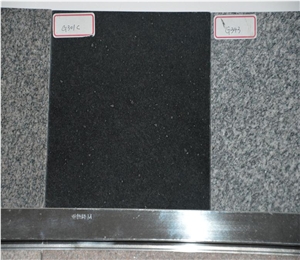
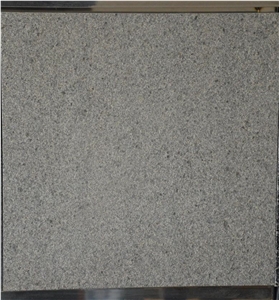
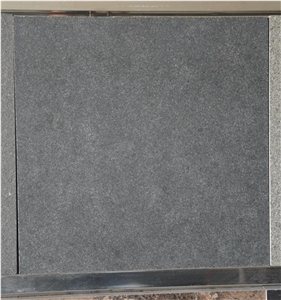
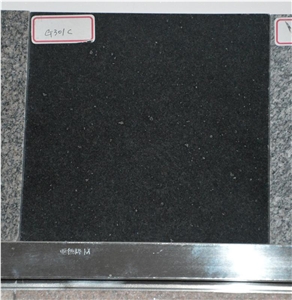
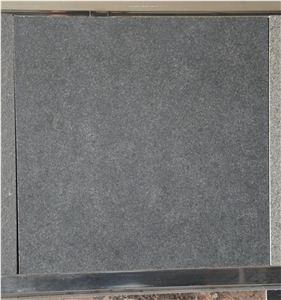
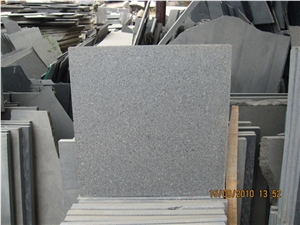
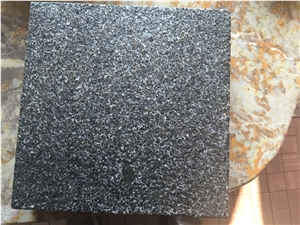
  • Fine to medium grain granite
  • Base color ranges from dark green to dark gray
  • Occasional black or lighter gray speckles, providing subtle contrast
  • Uniform, natural texture suitable for elegant designs

Pattern:

  • Speckled, naturally random pattern typical of granite
  • Provides a sophisticated, timeless appearance for both modern and classical settings

Physical & Mechanical Properties:

  • Density: 2820 kg/m³
  • Water Absorption: 0.08%
  • Compressive Strength: 257.22 MPa
  • Flexural Strength: 36.77 MPa
  • Mohs Hardness: 6–7 (typical for granite)

Chemical & Mineral Composition (approx. % by weight):

  • Quartz: 35–40%
  • Feldspar (Orthoclase/Plagioclase): 35–40%
  • Mica (Biotite/Muscovite): 5–10%
  • Other minerals/Amphiboles: 5–10%

Usage:

  • Interior and exterior flooring
  • Wall cladding and facades
  • Kitchen and bathroom countertops
  • Steps, staircases, and landscaping
  • Monuments, memorials, and decorative architectural features

Maintenance:

  • Clean regularly with mild detergent and soft cloth
  • Avoid acidic or harsh chemicals
  • Polished surfaces may benefit from periodic sealing to maintain shine and reduce staining

Cutting Sizes (typical):

  • Blocks: 200×150×150 cm (custom sizes available)
  • Slabs: 2–3 cm thickness (other thicknesses available on request)
  • Tiles: 30×30 cm, 60×60 cm, 30×60 cm, or custom sizes

Surface Finish Options:

  • Polished
  • Honed
  • Flamed
  • Bush hammered
  • Leathered / Satin finish

FAQ

What is the difference between a G301 Granite bevel marker and a slant marker?

The primary difference between a G301 Granite bevel marker and a slant marker lies in their shapes and angles, impacting their appearance and functionality in grave marking. ### G301 Granite Bevel Marker: - **Profile**: A bevel marker, also known as a Beveled Edge Marker, is similar in shape to a flat marker but with a slight incline. - **Design**: It usually sits low to the ground, with the back edge raised higher than the front, creating a beveled or sloped look. - **Height**: Typically, the back edge is about 2 inches to 4 inches higher than the front. - **Placement**: Often placed flush with the ground or set a few inches above it. - **Visibility**: Offers slightly better visibility than a flat marker due to the raised back edge. - **Common Use**: Frequently used in cemeteries with regulations that restrict the use of upright monuments. ### Slant Marker: - **Profile**: A slant marker is a type of headstone with a more pronounced angle than a bevel marker. - **Design**: It stands upright, with the front slanting backward, resembling a wedge shape. - **Height**: Generally taller than a bevel marker, with the back much higher than the front, often ranging 16 to 18 inches in height. - **Placement**: Typically mounted on a base, elevating them from the ground. - **Visibility**: Offers excellent visibility from a distance because of its upright slant. - **Common Use**: Common in areas that allow more prominent monuments, and it provides space for inscriptions and designs. ### Summary: - **Bevel Markers**: Lower profile, subtle incline, better for low-visibility areas. - **Slant Markers**: Higher profile, more pronounced angle, greater visibility, typically used when regulations allow for more substantial monuments. Both types serve specific aesthetic and functional purposes, and the choice between them may depend on cemetery regulations, aesthetic preferences, and budget considerations.
What is the standard height of a G301 Granite kerb?

The standard height for a G301 Granite kerb can vary depending on the region and specific application requirements. Generally, granite kerbs, including the G301 type, often have heights ranging from 150 mm to 300 mm. However, its important to refer to local construction standards or project specifications for precise measurements as they can differ by locality and project needs. If youre working on a specific project, consulting the projects engineering drawings or specifications would provide the exact dimensions required.

Can 3 cm thick G301 Granite pavers be used for a driveway?

Using 3 cm thick G301 granite pavers for a driveway can be feasible, but there are several considerations to keep in mind. Granite is a dense and durable stone, and G301 is known for its strength and weather resistance. However, the suitability of 3 cm thick granite pavers for driveway use will depend on a few factors: 1. **Load-Bearing Capacity**: Driveways need to support the weight of vehicles. Generally, thicker pavers are recommended for high-traffic or heavy-load areas. While 3 cm thickness might be adequate for lighter loads and occasional use, it might not withstand frequent traffic of heavier vehicles over time. 2. **Subbase Preparation**: The success of using 3 cm thick pavers greatly depends on the preparation of the subbase. A well-compacted, stable base with proper drainage will help distribute the load and prevent shifting or cracking. 3. **Installation Technique**: Proper installation is crucial. Using edge restraints and evenly spacing the pavers can help maintain stability. Joint material, such as sand or a flexible polymeric sand, should be used to lock the pavers in place and reduce movement. 4. **Local Climate Considerations**: In regions with extreme freeze-thaw cycles, the durability of thinner pavers can be compromised. Ensure that the stone and installation method can withstand local weather conditions. 5. **Usage and Maintenance**: If the driveway will have limited use and regular maintenance, 3 cm pavers might suffice. Otherwise, opting for a thicker paver (typically 6 cm or more) specifically designed for driveways might be wiser. In conclusion, while 3 cm thick G301 granite pavers might be used for a driveway, they are more commonly recommended for patios or walkways. For driveways, using a thicker paver is generally safer and more durable. It would be beneficial to consult with a professional installer to assess your specific situation and ensure the longevity of your driveway.

How thick is a standard G301 Granite tactile paver?

A standard G301 Granite tactile paver typically has a thickness ranging from 30 mm to 50 mm (about 1.2 inches to 2 inches). The specific thickness can vary depending on the manufacturer and the intended application, so its always best to check the product specifications or consult with the supplier for precise information regarding the specific tactile paver you are considering.

What are G301 Granite tactile pavers used for?

G301 Granite tactile pavers are used primarily for creating tactile surfaces that assist visually impaired individuals in navigating public spaces. These pavers are typically installed in outdoor environments like sidewalks, pedestrian areas, and transit platforms. They are designed with a distinctive pattern that can be detected underfoot or with a cane, providing cues to the changes in the walking surface, such as the presence of a curb, the edge of a platform, or a pedestrian crossing. The tactile feedback and contrast in texture and color help enhance accessibility and safety for those with visual impairments.

How far apart should G301 Granite bollards be installed?

The spacing for G301 Granite bollards, or any bollards in general, typically depends on their intended use and local regulations or guidelines. However, a common standard for bollard spacing is that they should be placed approximately 3 to 5 feet (about 0.9 to 1.5 meters) apart. This spacing is generally close enough to prevent vehicles from passing between them while allowing free pedestrian access, including for those using wheelchairs or strollers. Its important to check any relevant local codes or standards, as they might have specific requirements for bollard installations based on their application, such as in public spaces, parking areas, or pedestrian zones. Additionally, consider factors like the bollards size, the type of vehicles you are trying to prevent access to, and the flow of pedestrian traffic when determining the appropriate spacing.

How can the surface of G301 Granite be thermally processed using portable machines or tools?

Thermal processing, or flaming, is a common method used to finish the surface of granite to enhance its natural features and create a rough, textured surface with good slip resistance. This process usually involves exposing the granite surface to high temperatures using a flame. For smaller applications or on-site work, you can use portable machines or tools. Heres how the surface of G301 Granite can be thermally processed: 1. **Preparation**: - Clean the granite surface thoroughly to remove any dust, debris, or foreign particles. - Ensure that the area is ventilated, as the process can produce dust and fumes. 2. **Portable Flaming Equipment**: - Use a portable propane or acetylene torch. These torches can generate the high temperature needed for flaming granite. - Ensure the torch is equipped with a proper nozzle that can spread the flame evenly over the surface of the granite. 3. **Safety Gear**: - Wear appropriate safety gear including heat-resistant gloves, safety goggles, and a face shield. - Use ear protection, as the process can be loud, and wear a respirator to protect against dust and fumes. 4. **Flaming Process**: - Test the torch on a small, inconspicuous area to get a feel for how the granite reacts to the heat. This helps you understand the speed and distance of application needed. - Hold the torch at an angle to the granite surface, typically about 45 degrees, and a steady movement should be maintained. - Keep the torch moving in a consistent pattern, such as left to right, and ensure an even application across the entire surface. Avoid keeping the flame in one spot for too long to prevent cracking or uneven finish. - The goal is to heat the surface evenly until the crystals in the granite surface pop or spall slightly, giving it a textured finish. 5. **Finishing**: - After flaming, allow the granite to cool naturally. - Inspect the surface for any uneven areas and re-flame if necessary to achieve a uniform texture. - Clean the granite again to remove any dust or debris resulting from the flaming process. 6. **Post-Flaming Care**: - Seal the granite if necessary, to protect it from stains and enhance its appearance. - Regular cleaning and maintenance will help preserve the newly textured surface. Using portable tools for thermal processing may take practice to perfect, so it might be beneficial to test on a sample piece of granite before proceeding with the actual surface. Additionally, due to the nature of the process, consider consulting with professionals if optimal results are desired.

Can G301 Granite be used for street kerbstones?

G301 Granite can be used for street kerbstones. Granites like G301 are typically chosen for street kerbstones due to their durability, hardness, and resistance to weathering. These properties make them suitable for withstanding the wear and tear associated with vehicular and foot traffic, as well as exposure to the elements. However, it is always recommended to check the specific characteristics of the granite variety in question and consult with a professional to ensure it meets the specific requirements for your project, including any local regulations or standards.

Products & Prices

View More

Hot Granite

New Granite

Post Your Request

The request includes:
  1. surface finished, size
  2. quantity required