Post Your Needs

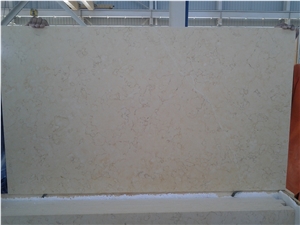
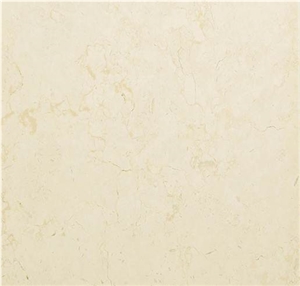
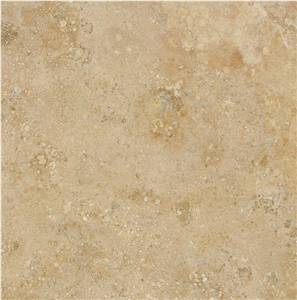
Golden Cream Limestone

Yellow - Limestone

Egypt

About

Item Details

Material Type:
Limestone
Origin:
Egypt (Sharm El - Sheikh, Fadel Mountain, Eastern Desert)
Primary Color(s):
Yellow
Recommended Usage:
Exterior - Interior wall and floor applications, monuments, countertops, mosaic, fountains, pool and
Additional Names:
Golden Cream Marble, Golden Cream Limestone
Finished Surface:
Honed, Aged, Polished, Sawn Cut, Sanded, Rockfaced, Sandblasted, Bushhammered, Tumbled

Testing

Water Absorption:
0.35 by weight %
Density:
2628 kg/m3
Flexural Strength:
10.5 MPa
Compressive Strength:
65.0 - 85.0 MPa

Description

Stone Characteristics --Minimal Requirements-- Degree
Abrasion resistance hardness
(ASTM C241/c1353) Min Ha B,C,D 10 --40.1Ha
Flexural strenght Mpa.
(ASTM C880) Min 1000 PSI --1200psi
Modulus of rupture Mpa
(ASTM C99) Min 1000 PSI --1700psi
Compressive strenght Map
(ASTM C170) Min 7500 PSI --10300psi
Absorption by weight %
(ASTM C97) Max%0.20 --1.42%
Density(Kg/m3)(ASTM C97) Min kg/m3 2305 --2581

FAQ

Do Golden Cream Limestone countertops scratch easily?

Golden Cream Limestone countertops are a natural stone material, and like all natural stones, they can be susceptible to scratching to some degree. However, the level of susceptibility to scratching can vary depending on the specific hardness and porosity of the Golden Cream Limestone slab. Generally speaking, Golden Cream Limestone is considered to be a softer and more porous stone compared to some other countertop options such as granite or quartz. Therefore, it may be more prone to scratches from sharp objects or abrasive materials. To minimize the risk of scratching, it is recommended to use cutting boards or trivets for hot pots and pans, and to avoid dragging heavy or sharp objects across the surface. Regular maintenance, such as sealing and periodic resealing, can also help protect the countertop and reduce the likelihood of scratches.
Is Golden Cream Limestone suitable for kitchen countertops?

Yes, Golden Cream Limestone is suitable for kitchen countertops. Limestone is a natural stone that is known for its durability and ability to withstand heat, making it a good choice for kitchen surfaces. However, it is important to note that limestone is a porous stone and can be susceptible to staining and scratching if not properly sealed and maintained. Regular sealing and proper care will help ensure the longevity and beauty of your Golden Cream Limestone countertops.

How should I clean Golden Cream Limestone stairs?

To clean Golden Cream Limestone stairs, follow these steps: 1. Remove loose dirt and debris: Use a broom or a soft-bristle brush to sweep away any loose dirt, dust, or debris from the stairs. This will prevent scratching the surface during the cleaning process. 2. Prepare a cleaning solution: In a bucket, mix a mild pH-neutral stone cleaner with warm water according to the instructions on the product label. Avoid using acidic or abrasive cleaners, as they can damage the limestone. 3. Apply the cleaning solution: Dip a soft sponge or mop into the cleaning solution and gently apply it to the limestone stairs. Work in small sections to ensure even coverage and prevent the cleaner from drying on the surface. 4. Scrub the stairs: Use a soft brush or a non-abrasive scrub brush to scrub the limestone stairs gently. Pay extra attention to any stains or stubborn dirt. Avoid applying excessive pressure to prevent scratching the limestone. 5. Rinse with clean water: After scrubbing, rinse the stairs thoroughly with clean water to remove any remaining cleaning solution. You can use a bucket of water or a hose with a gentle spray to flush away the residue. 6. Dry the stairs: Use a clean, dry cloth or a mop to remove any excess moisture from the stairs. Allow the limestone to air dry completely before walking on it. 7. Optional: Apply a stone sealer: If desired, you can apply a stone sealer after the limestone stairs have dried. This will help protect the surface from future staining and make it easier to clean in the future. Follow the instructions on the sealer product for proper application. Remember to periodically clean your Golden Cream Limestone stairs to maintain their appearance and prevent dirt and grime buildup.

How often do I need to seal Golden Cream Limestone floor?

The frequency of sealing a Golden Cream Limestone floor can vary depending on factors such as foot traffic, exposure to moisture, and the type of sealant used. However, as a general guideline, it is recommended to seal a Golden Cream Limestone floor every 1 to 2 years. Regularly cleaning and maintaining the floor can also help extend the lifespan of the sealant. It is always best to follow the manufacturers instructions and consult with a professional for specific recommendations based on your particular situation.

How can I make Golden Cream Limestone floors not slippery?

There are several methods to make Golden Cream Limestone floors less slippery. Here are some suggestions: 1. Apply an anti-slip sealant: Use an anti-slip sealant specifically designed for limestone floors. These sealants create a textured surface that enhances traction and reduces slippage. Follow the manufacturers instructions for application. 2. Use an anti-slip treatment: Apply an anti-slip treatment solution to the limestone flooring. These treatments chemically alter the surface of the stone to increase friction and improve slip resistance. Make sure to choose a treatment that is suitable for use on limestone. 3. Add rugs or mats: Place non-slip rugs or mats in areas where slipping is most likely, such as entryways or bathroom floors. The rugs provide additional grip and traction, reducing the chances of accidents. 4. Regular cleaning and maintenance: Keep the limestone floors clean and free from dust, dirt, and spills, as these can make the surface more slippery. Regularly sweep or vacuum the floors and mop them with a non-slip floor cleaner. Avoid using wax or glossy finishes that can increase slipperiness. 5. Install handrails or grab bars: If your limestone floors are in areas with stairs or slopes, consider installing handrails or grab bars to provide additional support and stability when walking. 6. Use slip-resistant footwear: Wear shoes or slippers with slip-resistant soles, especially in areas prone to moisture or spills, to improve traction and reduce the risk of slipping. Its important to note that while these methods can help make the floors less slippery, eliminating all potential slipping hazards is not always possible. Exercise caution and use additional safety measures, especially in areas where the floor may be wet or exposed to moisture.

Is polished Golden Cream Limestone too slippery?

The slipperiness of polished Golden Cream Limestone will depend on several factors, including the finish and surface treatment applied to the stone, as well as the level of foot traffic it receives. In general, polished limestone can be more slippery compared to honed or matte finishes, especially when wet. It is advisable to take precautions such as using rugs or non-slip mats in areas where slipperiness may be a concern, such as bathrooms or entrances. Additionally, regular cleaning and maintenance can help maintain the slip resistance of the stone.

Is honed Golden Cream Limestone floor slippery when wet?

Honed Golden Cream Limestone floors are generally not slippery when wet. The honed finish provides a slightly textured surface, which offers good traction even when the floor is wet. However, it is always recommended to exercise caution and use non-slip rugs or mats in areas that are prone to water or moisture, such as bathrooms or entryways, to further minimize the risk of slipping.

Are Golden Cream Limestone steps slippery?

Golden Cream Limestone steps can be slippery when they are wet or covered in ice. It is always a good idea to exercise caution when walking on any type of stone steps that may become slick when wet. To minimize slipping, you can incorporate non-slip grips or treads on the steps. Additionally, regular cleaning and maintenance can help prevent the accumulation of debris or algae, which can make the steps more slippery.

What are the disadvantages of Golden Cream Limestone flooring?

Some potential disadvantages of Golden Cream Limestone flooring include: 1. Porosity: Limestone is a porous material, which means it can absorb liquids and stains easily. This makes it more susceptible to damage from spills and chemicals, and it may require regular sealing to prevent staining. 2. Softness: Limestone is a relatively soft and delicate type of stone, making it prone to scratching and etching. Heavy furniture or sharp objects can easily damage the surface, leaving visible marks. 3. Limited color options: While Golden Cream Limestone has an attractive, warm tone, the color range for limestone is generally limited compared to other types of flooring materials. This may be a disadvantage for those seeking a wider variety of colors or patterns. 4. Sensitivity to acid: Limestone is particularly sensitive to acidic substances, such as vinegar or citrus juices. Contact with such acids can cause etching or discoloration on the surface of the stone. 5. Cost: Golden Cream Limestone is considered a higher-end flooring material, so it can be more expensive compared to other flooring options. The cost of installation and maintenance, including sealing, can also add to the overall expenses. 6. Slippery when wet: Limestone can become slippery when wet, posing a potential safety hazard, especially in areas prone to moisture like bathrooms or kitchens. It is important to use appropriate anti-slip treatments or rugs in such areas to provide traction. 7. Limited durability: Limestone is not as durable as some other natural stones, such as granite or quartzite. It may show signs of wear and tear over time, especially in high-traffic areas or if not properly maintained. Overall, while Golden Cream Limestone flooring offers an elegant and unique look, it is important to consider these potential disadvantages before making a decision. Proper care and maintenance can help minimize these issues and prolong the lifespan of the flooring.

What is the common thickness of Golden Cream Limestone for stair steps and risers?

The common thickness of Golden Cream Limestone for stair steps and risers is typically around 1.5 to 2 inches (3.8 to 5.1 cm). However, this can vary depending on the specific project requirements and individual preferences. It is always recommended to consult with a professional stone supplier or contractor for specific thickness recommendations based on your project needs.

Products & Prices

View More

Hot Yellow Limestone

New Limestone

Post Your Request

The request includes:
  1. surface finished, size
  2. quantity required