


Riyadh Stone
 Saudi Arabia


 Bulgaria (Kameno Pole, Vratsa)
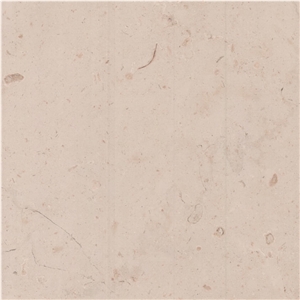
Vienna Grey Limestone is a natural limestone quarried in Kameno Pole, Vratsa, Bulgaria, featuring a warm neutral beige to light taupe/greyish-beige background with irregular clusters of lighter cream and off-white markings and a distinctive network of fine natural fissures.
Colour and Appearance
Texture
Vienna Grey Limestone has a fine to medium-grained, compact limestone texture with subtle natural tonal variation. Its surface can be highly polished to produce a glossy appearance that reflects light and emphasizes the stone's natural colour and markings.
Pattern and Details
The surface features irregular, patchy clusters of cream and off-white markings distributed throughout the slab. Fine, delicate linear cracks and natural fissures may run horizontally and vertically across the surface, contributing to its organic and weathered character. These natural features can vary from slab to slab.
Physical and Mechanical Properties
The water absorption, density, and compressive strength values above are based on the provided data. Hardness is an indicative range for limestone and should be confirmed by quarry-specific testing.
Indicative Mineral Composition
Approximate % by weight; quarry-specific laboratory analysis should be used for certification.
Indicative Chemical Composition
Approximate % by weight.
Recommended Uses
Vienna Grey Limestone is suitable for a wide range of architectural and decorative applications, including:
Interior flooring, Wall cladding, Feature walls, Interior architectural panels, Hotel and hospitality projects, Residential interiors, Commercial interiors, Staircases and stair treads, Fireplace surrounds, Bathroom walls and floors, Vanity tops, Decorative stonework, Exterior wall cladding, subject to project-specific technical requirements, Landscaping and selected paving applications.
Because limestone is softer and generally more acid-sensitive than granite or quartzite, the intended application should be evaluated according to traffic, exposure, finish, and maintenance requirements.
Maintenance
Clean Vienna Grey Limestone regularly using a pH-neutral stone cleaner and a soft cloth, sponge, or mop. Avoid vinegar, lemon juice, acidic cleaners, abrasive powders, and aggressive chemicals, as acids can etch limestone surfaces. Sealing is recommended for flooring, bathrooms, vanity tops, and other areas exposed to moisture or staining substances. Wipe spills promptly, particularly oils, coffee, wine, and other staining liquids.
Important Note
Vienna Grey Limestone is a natural material, and colour, markings, fissures, density, porosity, and mechanical properties may vary between blocks and slabs. Buyers should request the actual slab photographs and a current quarry-specific technical data sheet before specifying the material for a large project.
Saudi Arabia

 Turkey

 Germany

 Italy

 Spain

 Portugal

 Norway

 Croatia

Bulgaria

 China

 France

France