Great Tew Ironstone
Description:
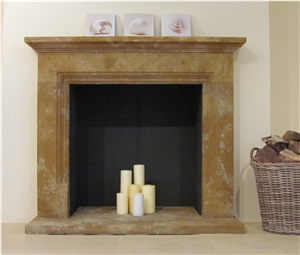
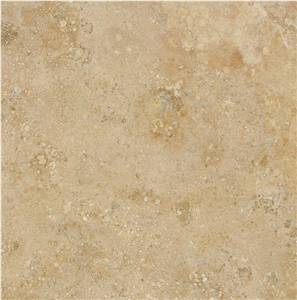
Great Tew Ironstone is a distinctive natural stone known for its unique aesthetic qualities. It is medium to coarse-grained, predominantly orange-brown in color, interspersed with tones of dark brown and cream limestone. Weathering often results in shades of rusty browns to russets, with some fine mineral grains providing a ferruginous (iron-rich) appearance. It is quarried in Great Tew, located in the scenic Cotswold Hills, United Kingdom.
Physical and Mechanical Properties:
- Water Absorption: 15.03%
- Density: 1946 kg/m³
- Flexural Strength: 3.98 MPa
- Compressive Strength: 20.15 MPa
- Hardness: While not typically as hard as granitic stones, these values can vary; specific testing is advised for precise measurement.
- Porosity: As indicated by its high water absorption, Great Tew Ironstone has relatively high porosity.
- Slip Resistance: This will depend on the surface finish; riven or rough finishes generally offer better slip resistance.
Chemical and Mineral Composition (Approximated by Weight):
- Silica (SiO2): Major component, as part of the silicate minerals.
- Iron Oxides (Fe2O3): Responsible for its distinctive ferruginous coloring.
- Calcium Carbonate (CaCO3): Typical of limestone materials.
- Alumina (Al2O3): Common in clay minerals and might be present in trace amounts.
- Magnesium Oxide (MgO): Present in varying quantities.
- Others: Trace minerals and organic matter contributing to minor coloration and properties.
Usage and Applications:
- Construction and Masonry: Often used for decorative facades, cladding, and load-bearing structures.
- Landscaping and Paving: Its natural rustic appearance is popular for gardens, patios, and walkways.
- Interior Design: Suitable for feature walls, fireplaces, and historical restorations.
Maintenance:
- Cleaning: Regular cleaning with non-acidic, pH-neutral stone soaps to preserve its natural appearance.
- Sealing: Recommended to reduce water absorption and protect against staining and weathering.
- Repair: Chips and cracks should be filled with color-matching compounds.
Cutting Sizes and Dimensions:
- Custom sizes available, typically ranging from small tiles to large slabs.
- Common sizes include standard tiles (e.g., 30x30 cm, 60x60 cm) and larger custom dimensional stones for specific projects.
Surface Finish Options:
- Riven: Natural split surface, providing a rustic and traditional appearance.
- Honed: Smooth, matte finish, enhancing color depth while maintaining a non-glossy surface.
- Sawn: Precisely cut with saw marks for a uniform, yet unfinished look.
- Antique/Tumbled: Smooth, aged appearance achieved through mechanical tumbling.
Great Tew Ironstone is cherished not only for its visual appeal but also for its contribution to historical and regional architectural styles, making it a favored choice in conservation and restoration projects. Proper care and maintenance ensure its longevity and aesthetic integrity over time.


 United Kingdom

 India

 Saudi Arabia


 Morocco

 United States
 Egypt

 Norway

 Croatia

 Bulgaria

 China

 France
