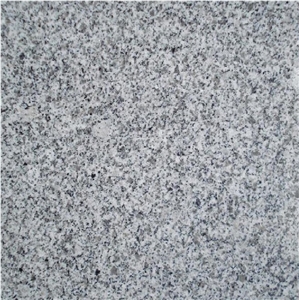
Gris Plata Granite

About
Item Details
- Material Type:
- Granite
- Origin:
Spain - Primary Color(s):
- Grey
- Recommended Usage:
- Kitchen and bathroom countertops, monuments, building stone, ornamental stone, stairs, interior, exterior wall and floor applications, mosaic, waterjet pattern, wall panels, table tops, window sills, balustrades, columns, wall and pool copings, pool pavers, sculptures, fireplaces, pavers, cobbles, curbstone
- Additional Names:
- Cinza Plata Granite, Granito Gris Plata, Gris Plata, Gris Plata Granite
- Finished Surface:
- Polished,Flamed,Bush Hammered,Tumbled,Brushed,Honed,Split,Machine Cut,Natural Surface,Sandblasted,Acid Washing,Combed,Leathered,Water Jet,Filled,Chiseled,Pickling
Testing
- Water Absorption:
- 0.1 - 0.3%
- Density:
- 2680 - 2730 kg/m³
- Flexural Strength:
- 12-15 MPa
- Compressive Strength:
- 170-220 MPa
- Stone texture:
- a sophisticated light grey natural granite featuring a medium to light grey background accented with subtle silver, white, and darker grey mineral speckles, creating a gentle, evenly distributed speckled pattern that gives the stone a refined and balanced visual appeal. The overall appearance is elegant and neutral, making it versatile for both contemporary and traditional architectural applications where a calm yet textured aesthetic is desired. In terms of texture and structure, Gris Plata Granite is a dense, compact igneous rock composed mainly of quartz, feldspar, and mica, forming a fine- to medium-grained crystalline matrix. This cohesive granular structure ensures excellent durability, low porosity, and high resistance to abrasion and weathering. When polished, the stone exhibits a smooth, reflective surface that enhances its silver and grey mineral highlights, while alternative finishes such as honed, flamed, sandblasted, or bush-hammered emphasize its natural granular texture and robust structural integrity, making it suitable for flooring, countertops, wall cladding, exterior paving, and decorative architectural elements.
Description
Gris Plata Granite is recognized for its sophisticated and elegant visual appeal, with a light grey background highlighted by silver, white, and darker grey speckles. Its neutral color palette and refined pattern make it a versatile choice for a wide range of applications, both contemporary and traditional.
Physical and Mechanical Properties:
- Water Absorption: Low, typically around 0.1% - 0.3%, indicating good resistance to staining.
- Density: Approximately 2,680 - 2,730 kg/m³, attesting to its compact and dense structure.
- Flexural Strength: Typically in the range of 12-15 MPa, ensuring the stone's resilience under bending forces.
- Compressive Strength: Generally about 170-220 MPa, contributing to its high load-bearing capacity.
- Hardness: Rated around 6-7 on the Mohs scale, which provides excellent scratch resistance.
- Porosity: Extremely low, aiding in its resistance to moisture absorption and weathering.
- Slip Resistance: Varies depending on surface finish: Polished surfaces might be less slip-resistant compared to honed or flamed finishes, which provide better traction.
Chemical and Mineral Composition (% by weight):
- Quartz: ~30-40% - Contributes to hardness and durability.
- Feldspar (both orthoclase and plagioclase): ~45-50% - Enhances structural integrity.
- Mica (biotite or muscovite): ~5-10% - Adds subtle sheen and variation.
- Other minerals: Trace amounts that contribute to its speckled appearance and color variations.
Usage:
- Flooring: Ideal for both interior and exterior due to its aesthetic appeal and durability.
- Countertops: Provides a refined and elegant surface resistant to heat and scratches.
- Wall Cladding: Offers an elegant appearance to walls, enhancing both interior spaces and building facades.
- Exterior Paving: Durable enough to withstand environmental challenges while maintaining visual appeal.
- Decorative Architectural Elements: Suitable for various indoor and outdoor architectural and decorative applications due to its refined look and structural strength.
Maintenance:
- Requires regular cleaning with mild soap and water.
- Periodic resealing is recommended to maintain its surface finish and resistance to staining.
- Avoid harsh or acidic cleaners to preserve its polish and integrity.
Available Common Surface Finish Options:
- Polished: Provides a high-gloss and reflective surface, enhancing mineral highlights.
- Honed: Offers a smooth, matte finish suitable for quieter, more subdued aesthetics.
- Flamed: Obtained by exposing the stone to high heat, creating a textured, slip-resistant surface ideal for exterior paving.
- Sandblasted: Produces a rougher surface than the flamed finish, with excellent slip resistance.
- Bush-Hammered: Yields a rugged texture, frequently used in exterior applications for enhanced grip.
Gris Plata Granite's adaptability in both aesthetic and structural dimensions makes it a favored choice across diverse architectural and design projects. Its blend of durability, elegance, and versatility ensures that it meets both practical and visual demands, positioning it as a superior option for various applications.
FAQ
Gris Plata Granite from Spain is generally considered to be of commercial or builder grade.
Can Spain's Gris Plata Granite be used outdoors?
Yes, Spains Gris Plata Granite can be used outdoors. Granite is a popular choice for outdoor applications due to its durability and ability to withstand various weather conditions. It is often used for outdoor countertops, paving, and cladding. The Gris Plata Granite from Spain is known for its gray color with silver and black veining, which can add a natural and elegant look to outdoor spaces. However, it is always recommended to consult with a professional to ensure that the specific type and quality of the granite is suitable for the intended outdoor use.
Can Spain's Gris Plata Granite be used exterior applications in very dusty climates?
Yes, Spains Gris Plata Granite can be used in exterior applications in very dusty climates. Granite is a durable and resistant material that is commonly used for outdoor purposes. It is known for its ability to withstand various weather conditions, including dusty climates. However, to maintain the granites appearance and prevent damage, regular cleaning and maintenance may be required in particularly dusty areas.
Can Spain's Gris Plata Granite be used in a dining room?
Yes, Spains Gris Plata Granite can be used in a dining room. The gray and silver tones of this granite can add a sleek, sophisticated look to the dining room. It is a durable and low-maintenance material, making it suitable for use as a dining room table, countertops, or flooring. The versatility and aesthetic appeal of Gris Plata Granite make it a popular choice for various interior design styles.
Can Spain's Gris Plata Granite be used in heavy use areas?
Yes, Spains Gris Plata Granite can be used in heavy use areas. Granite is known for its durability and resistance to wear and tear, making it suitable for high-traffic areas. However, it is always recommended to seal and maintain the granite properly to protect it from stains and damage.
Are there color variations of Spain's Gris Plata Granite?
No, Spains Gris Plata Granite does not have color variations. It is a consistent gray color with subtle speckles throughout.
How thick is Spain's Gris Plata Granite slabs?
The thickness of Spains Gris Plata Granite slabs can vary depending on the supplier and individual preferences. However, standard thickness options for granite slabs are typically 2 centimeters (3/4 inch) or 3 centimeters (1 1/4 inches).
Is Spain's Gris Plata Granite an expensive stone?
I do not have access to real-time pricing information. However, I can provide some general information about the factors that could affect the price of Gris Plata Granite:
- Rarity: If Gris Plata Granite is rare and difficult to find, it can be more expensive.
- Quarry location: The location of the quarry can affect the price due to the cost of transportation and labor.
- Quality: The quality and consistency of the stone can also influence the price.
- Thickness and size: Thicker and larger slabs usually cost more than thinner and smaller ones.
In general, granite is considered a relatively expensive stone compared to other natural stones and synthetic alternatives. However, prices can vary widely depending on the above factors and the supplier.