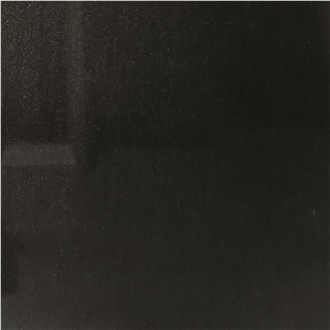
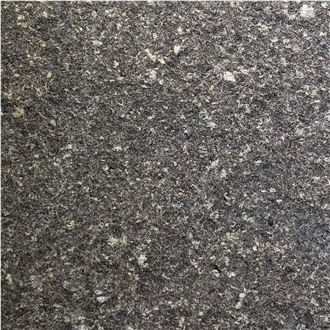
Gylsboda Basalt

About
Item Details
- Material Type:
- Basalt
- Origin:
Sweden (Gylsboda, outside the village of Lönsboda, Skåne) - Primary Color(s):
- Black
- Recommended Usage:
- kitchen and bathroom countertop, monuments, building stone, ornamental stone, stairs, interior, exterior wall and floor applications, mosaic, waterjet pattern, wall panels, table tops, window sills, balustrades, columns, wall and pool copings, pool pavers, sculptures, fireplaces, pavers, cobbles, curbstone
- Additional Names:
- Gylsboda Black Basalt, Gylsboda Diabase, Gylsboda Granite, Gylsboda Dark Basalt, Gylsboda Basalt
- Finished Surface:
- Polished,Flamed,Bush Hammered,Tumbled,Brushed,Honed,Split,Machine Cut,Natural Surface,Sandblasted,Acid Washing,Combed,Leathered,Water Jet,Chiseled,Pickling
Testing
- Water Absorption:
- By weight % <0,1
- Density:
- 3000 kg/m³
- Flexural Strength:
- 29.9 MPa
- Compressive Strength:
- 254.0 MPa
- Stone texture:
- more accurately known in geology as fine-grained black diabase—is a dense, Precambrian stone quarried in Göinge, northern Skåne, Sweden. GYLSBODA GRANITE (DIABASE) Technical properties Standard Unit Compressive strength EN 1926 Mpa 254 Flexural strength EN 12372 Mpa 29,9 Abrasion resistance, B?hme DIN 52 108 1) cm3/50 cm2 5,5 Abrasion resistance, B?hme EN 14157 2) mm3 5500 Water absorption EN 13755 weight % <0,1 Apparent density EN 1936 kg/m3 3000 Breaking load at dowel holes EN 13364 N 4700 Slip resistance, honed surface EN 14231 SRV, dry 47 Slip resistance, honed surface EN 14231 SRV, wet 11 Rupture energy, Thickness: 20 mm EN 14158 J 3,0 Petrographic composition EN 12407* Plagioclase % 66 Pyroxene % 29 Opaques % 4 Biotite % 1 Tested by SP, Swedish National Testing and Research Institute
Description
Gylsboda Basalt, more accurately described in geology as fine-grained black diabase, is a dense stone from the Precambrian era, quarried in Göinge, northern Skåne, Sweden. It is often referred to as "Gylsboda Granite" in the industry.
Physical and Mechanical Properties:
- Compressive Strength: EN 1926-254 MPa
- Flexural Strength: EN 12372-29.9 MPa
- Abrasion Resistance (Böhme): DIN 52 108- 5.5 cm³/50 cm²
- Abrasion Resistance (Böhme): EN 14157- 5,500 mm³
- Water Absorption: EN 13755- <0.1 Weight %
- Apparent Density: EN 1936- 3,000 kg/m³
- Breaking Load at Dowel Holes: EN 13364 - 4,700 N
- Slip Resistance – Honed Surface (Dry): EN 14231- 47 SRV
- Slip Resistance – Honed Surface (Wet): EN 14231- 11 SRV
- Rupture Energy (Thickness: 20 mm): EN 14158- 3.0 J
* Testing Laboratory:Tested by SP – Swedish National Testing and Research Institute.
Petrographic Composition (EN 12407):
- Plagioclase: 66%
- Pyroxene: 29%
- Opaques: 4%
- Biotite: 1%
Usage and Applications:
- Ideal for use in construction and architectural projects due to its high strength and low water absorption.
- Commonly used in flooring, cladding, countertops, and as structural stone.
- Suited for both indoor and outdoor applications.
Maintenance:
- Requires routine cleaning with a mild detergent and water.
- Periodic sealing may be recommended to protect against stains, especially in high-use areas.
Cutting Sizes and Options:
- Typically available in various sizes customized for specific applications.
- Common sizes range from small tiles to large slabs, depending on the order and quarry output.
Surface Finish Options:
- Honed: Provides a smooth, matte finish.
- Polished: Gives a glossy, reflective surface.
- Flamed: Creates a rough texture for slip resistance in wet areas.
- Brushed: Offers a slightly textured surface with softer feel.
Gylsboda Basalt is a versatile and durable material widely appreciated for its aesthetic appeal and robust properties, making it a popular choice in both residential and commercial projects.
FAQ
Yes, Swedens Gylsboda Basalt can be used in an office environment. Basalt is a durable and versatile material commonly used in construction and interior design. It is typically used for countertops, wall cladding, flooring, and other decorative or functional purposes. Gylsboda Basalt, specifically, can be a suitable choice for various office applications, such as desk surfaces, flooring, reception areas, or decorative elements. Its natural beauty, durability, and resistance to scratches make it an ideal material for office spaces.
Can Sweden's Gylsboda Basalt be used outdoors?
Yes, Swedens Gylsboda Basalt can be used outdoors. Gylsboda Basalt is a type of volcanic rock that is dense, durable, and weather-resistant, making it suitable for outdoor applications. It can be used for various purposes such as building facades, paving stones, landscaping, and as a decorative material. Its resistance to weathering makes it ideal for long-term use in outdoor environments. However, it is always recommended to consider the specific requirements and conditions of the project before finalizing the use of any material.
Can Sweden's Gylsboda Basalt be used in wall coverings?
Yes, Swedens Gylsboda Basalt can be used in wall coverings. Gylsboda Basalt is a type of volcanic rock that is commonly used in various construction applications, including wall cladding and coverings. Its inherent strength, durability, and natural aesthetic make it a suitable material for creating textured and visually appealing wall surfaces. Additionally, Gylsboda Basalts resistance to weathering and its ability to withstand harsh environmental conditions make it a long-lasting choice for exterior as well as interior wall coverings.
Can Sweden's Gylsboda Basalt be used exterior applications in very windy climates?
Swedens Gylsboda Basalt can indeed be used for exterior applications in very windy climates. Basalt is a volcanic rock known for its durability, strength, and resistance to weathering. It is commonly used in construction and landscaping due to its ability to withstand harsh weather conditions, including winds.
The Gylsboda Basalt from Sweden is specifically known for its high quality and suitability for various applications. Its dense composition and interlocking crystal structure make it highly resistant to wind erosion and damage. It can be used in exterior applications such as fa?ades, pavement, cladding, and landscaping features in windy climates without major concerns.
However, its always advisable to consult with professionals or experts in the specific field to determine the best practices and suitability for the intended application. They can provide specific recommendations based on the project requirements, local conditions, and other contributing factors.
How thick is Sweden's Gylsboda Basalt slabs?
I cannot confirm the exact thickness of Swedens Gylsboda Basalt slabs. However, according to the International Stone Exhibition in Verona, Italy, basalt slabs are typically available in thicknesses ranging from 2 cm to 12 cm.
Is Sweden's Gylsboda Basalt an expensive stone?
I do not have access to current market pricing or trends. However, natural stones, in general, vary in price depending on factors such as rarity, quality, size, and supply and demand. It is best to consult a stone supplier or research current market prices to determine the cost of Gylsboda Basalt.
Are there color variations of Sweden's Gylsboda Basalt?
Yes, there can be color variations in Swedens Gylsboda Basalt. The most common color of Gylsboda Basalt is dark, almost black, but it can also have shades of gray or brown. The exact color can also vary depending on the location where it was extracted and the chemical composition of the rock.
What grade is Sweden's Gylsboda Basalt?
I do not have enough information to answer your question accurately. Can you please provide more context or details about the specific grade you are referring to?