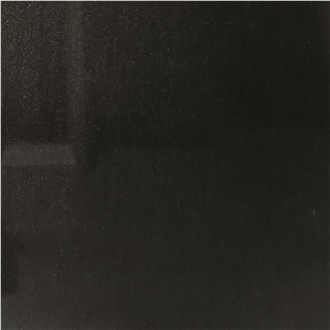
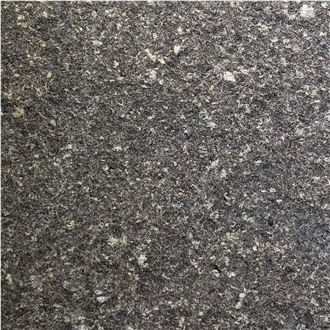
Hafnarfjordur Basalt is a dense, fine-grained volcanic stone sourced from the Hafnarfjörður region on the southwest coast of Iceland, approximately 10 km south of Reykjavík. It is known for its deep gray to jet-black color, uniform texture, and exceptional durability, making it a popular choice for various architectural and construction applications.
Physical and Mechanical Properties:
- Water Absorption:Typically less than 1%, indicating high resistance to weathering and moisture penetration.
- Density:Approximately 2,850 to 3,000 kg/m³ (kilograms per cubic meter), which contributes to its mass and strength.
- Flexural Strength:Generally ranges from 11 to 14 MPa (megapascal), indicating a moderate capacity to resist bending forces.
- Compressive Strength:Usually exceeds 200 MPa, showcasing its ability to withstand significant forces without crushing.
- Hardness:Ranges from 6 to 7 on the Mohs scale, reflecting its suitability for various demanding applications.
- Porosity:Less than 1%, signifying a very compact and solid structure.
- Slip Resistance:Offers excellent slip resistance, especially when finished with a rough, natural texture.
Chemical and Mineral Composition (% by weight):
- Silicon Dioxide (SiO₂):45-55%
- Aluminum Oxide (Al₂O₃):14-18%
- Calcium Oxide (CaO):6-12%
- Magnesium Oxide (MgO):5-8%
- Sodium Oxide (Na₂O) and Potassium Oxide (K₂O):2-4%
- Trace Elements:Includes small amounts of titanium, manganese, and other trace elements.
Usage:
- Architectural Applications:Flooring, wall cladding, and facades due to its aesthetic appeal and durability.
- Construction:Used in pavements, curbstones, and as an aggregate in concrete due to its strength and resistance to wear.
- Monuments and Sculptures:Popular for sculptures and monuments because of its attractive color and workability.
- Landscaping:Employed in garden features and outdoor fixtures.
Maintenance:
-
Routine Cleaning:Use mild soap and water for regular cleaning. Avoid acidic cleaners to prevent surface etching.
-
Sealing:Not usually necessary due to low porosity, but a sealant can be applied for enhanced stain resistance in high-traffic areas.
Available Common Surface Finish Options:
- Polished:Gives a sleek and glossy appearance, ideal for interior applications.
- Honed:Provides a smooth, matte finish, suitable for both indoor and outdoor use.
- Flamed:Rough texture enhances slip resistance, perfect for outdoor paving.
- Bush Hammered:Rough, pitted surface offering high slip resistance, popular for terraces and public spaces.
- Natural Split:Rugged and textured finish that maintains a natural look, often used in landscaping and rustic designs.
Hafnarfjordur Basalt's combination of physical robustness, chemical stability, and aesthetic versatility makes it a favored choice in various industries, from construction to the arts.


 Iceland
 And****


 China


 Italy


 Portugal


 Viet Nam