Post Your Needs

Havana Quartzite

Quartzite

Brazil

About

Item Details

Material Type:
Quartzite
Origin:
Brazil
Recommended Usage:
kitchen and bathroom countertop, wash basins, building stone, ornamental stone, stairs, interior wall and floor applications, mosaic, water-jet pattern, wall panels, table tops, balustrades, columns, fireplaces, luxury furniture
Additional Names:
Havana Green Quartzite, Havana Blue Quartzite, Havanna Green Quartzite, Havana Quartzite
Finished Surface:
Polished,Bush Hammered,Tumbled,Brushed,Honed,Split,Machine Cut,Natural Surface,Sandblasted,Combed,Leathered,Water Jet,Chiseled,Pickling

Testing

Water Absorption:
0.30 %
Density:
2750 kg/m³
Flexural Strength:
15 - 19 MPa
Compressive Strength:
212 MPa

Description

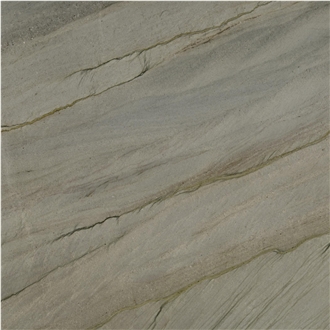
Havana Quartzite is an elegant and highly sought-after natural stone quarried in Brazil, distinguished by its soft grey-to-white background enriched with striking veins of gold, pink, green, and silver-grey. This exotic quartzite showcases a sophisticated fusion of warm and cool tones, creating a vibrant yet harmonious visual composition. The interplay of colorful mineral veining against the luminous base produces exceptional depth, movement, and character, making each slab a unique natural work of art. Its dense quartz-rich composition provides outstanding durability while maintaining the refined beauty associated with luxury decorative stones.

Texture & Pattern: Fine- to medium-grained crystalline quartzite with a dense metamorphic structure and tightly interlocked quartz crystals. The pattern is highly expressive and directional, featuring sweeping multicolored veins, flowing mineral bands, and cloud-like crystalline formations. Gold, pink, green, and silver-grey veining intertwine organically across the surface, creating dramatic movement and visual sophistication.

Color & Appearance:

  • Base Color: Soft white to light grey
  • Primary Veining: Gold, silver-grey, and soft green
  • Secondary Accents: Pink, blush, and warm beige tones
  • Overall Appearance: Elegant, colorful, and naturally artistic with strong movement and depth

Mineralogical Composition (% by weight):

  • Quartz (SiO₂): 82–95%
  • Feldspar: 2–8%
  • Mica: 1–4%
  • Iron-bearing and accessory minerals: 1–5%

Chemical Composition (% by weight):

  • SiO₂: 82–95%
  • Al₂O₃: 1–5%
  • Fe₂O₃: 0.5–3%
  • K₂O + Na₂O + CaO + MgO: <4%

Technical Test Results:

  • Apparent Density: 2.69–2.75 g/cm³
  • Water Absorption: 0.15–0.35%
  • Compressive Strength: 180–210 MPa
  • Flexural Strength: 15–19 MPa
  • Abrasion Resistance: High
  • Mohs Hardness: 6.5–7

Usage:

  • Luxury kitchen countertops and islands
  • Bathroom vanities
  • Interior wall cladding
  • Premium flooring
  • Staircases
  • Fireplace surrounds
  • Feature walls and statement panels
  • Hotel lobbies and reception desks
  • Retail and commercial interiors
  • High-end residential architectural projects

Maintenance:

  • Periodic sealing recommended for optimal stain resistance
  • Clean with pH-neutral stone cleaners
  • Avoid acidic, alkaline, or abrasive cleaning products
  • Remove spills promptly to preserve surface appearance
  • Routine maintenance helps retain the stone's natural brilliance and color definition

FAQ

Do red wine stain the surface of Havana Quartzite bar countertop?

Havana Quartzite is a natural stone that is generally more resistant to staining than some other materials due to its dense and durable nature. However, like most natural stones, it is not completely impervious to stains, especially from substances like red wine, which contain pigments that can penetrate the surface if not cleaned promptly. To minimize the risk of staining, it is important to wipe up spills as soon as they occur. Additionally, sealing the Havana Quartzite countertop can provide an extra layer of protection against stains and make it easier to clean. Regular maintenance and proper care will help preserve the countertops appearance and prevent staining from red wine and other potential spillages.

Is Havana Quartzite a suitable choice for exterior wall?

Havana Quartzite can be a suitable choice for exterior walls, but there are several factors to consider before making a decision: 1. **Durability**: Quartzite is a highly durable natural stone. It is resistant to weathering, scratching, and chipping, which makes it a good material for exterior applications. 2. **Weather Resistance**: Quartzite has a low water absorption rate, which means it can withstand changing weather conditions without significant damage. This makes it suitable for exterior walls that are exposed to rain and other elements. 3. **Aesthetic Appeal**: Havana Quartzite comes in a range of colors and patterns that can enhance the visual appeal of a structure. Its natural beauty can add elegance and style to exterior facades. 4. **Maintenance**: Like most natural stones, quartzite requires some maintenance to retain its appearance. Regular cleaning and sealing will help protect it from stains and other environmental factors. 5. **Installation Costs**: Quartzite can be more expensive than other materials due to its quality and durability. Consider budget constraints when planning for its use. 6. **Location Considerations**: The local climate and environmental conditions can impact the long-term performance of any stone. Its advisable to assess the specific conditions of the location where it will be used. Overall, if you are looking for a durable and aesthetically pleasing option, Havana Quartzite could be a good choice for exterior walls, provided it is properly installed and maintained. Consulting with a professional who has experience with natural stone installations can also help in making an informed decision.

How can I repair the scratched surface of the Havana Quartzite steps?

Repairing scratched Havana Quartzite steps involves a few careful steps to restore the surface. Heres a guide to help you: 1. **Clean the Area**: - Begin by thoroughly cleaning the quartzite surface to remove any dirt, debris, or oils. Use a mild detergent mixed with water and a soft cloth or sponge. Rinse with clean water and allow it to dry completely. 2. **Assess the Damage**: - Determine the depth of the scratches. Shallow scratches are often dealt with differently than deeper ones. 3. **Buffing Out Shallow Scratches**: - For minor surface scratches, use a soft cloth and a quartzite-safe polish or buffing compound. Gently rub the polish into the scratch using circular motions. - Continue polishing until the scratch diminishes or disappears, then clean off the excess polish with a clean, damp cloth. Make sure the product you use is safe for quartzite. 4. **Repairing Deeper Scratches**: - For deeper scratches, you might need to use a fine-grit sandpaper (like 400 or 600 grit) or a diamond polishing pad. - Wet the area lightly and gently sand the scratch, using circular motions to avoid making noticeable patterns. - Move to a finer grit paper or pad (up to 1000 or 1500 grit) to continue smoothing the area. Always keep the area wet to minimize dust and prevent overheating the stone. 5. **Polishing**: - Once you’ve sanded out the scratches, apply a stone-safe polishing compound designed for quartzite. - Use a soft cloth or an electric polisher at low speed, applying gentle pressure. Polish the area until it blends with the rest of the surface. 6. **Sealing (if necessary)**: - Some quartzite surfaces may require resealing to protect them from future damage. Check if your particular quartzite needs sealing. If it does, apply a stone sealer following the manufacturer’s instructions once the surface is clean and dry. 7. **Professional Help**: - If the scratches are deep or youre not comfortable doing it yourself, consider hiring a professional stone restoration service. They have specialized equipment and experience to handle more significant repairs without damaging the stone. **Preventive Measures**: - Use mats or rugs at entry points to minimize dirt and debris. - Avoid using harsh chemicals or abrasive cleaners on quartzite surfaces. - Regularly clean and maintain the quartzite with suitable products to preserve its appearance and integrity. By carefully following these steps, you can often repair and restore scratched Havana Quartzite surfaces effectively.

Is 30 mm thick Havana Quartzite easy to cut with handheld machines?

Cutting 30 mm thick Havana Quartzite with handheld machines can be challenging due to the materials hardness and density. Quartzite is a metamorphic rock that is harder than granite, which makes it quite durable but also difficult to cut. If you plan to use handheld machines, here are some considerations: 1. **Blade Type**: Use a high-quality diamond blade specifically designed for cutting hard stone materials. Ensure the blade is appropriate for the type of cut you intend to make (wet or dry). 2. **Machine Power**: Use a handheld machine with sufficient power to handle hard stone cutting. Underpowered tools can struggle with the density of quartzite and may cause poor cuts or damage the tool. 3. **Cutting Speed and Technique**: Take your time and do not rush the cutting process. Apply consistent pressure and let the blade do the work. Cutting too quickly can result in overheating and damaging the blade or stone. 4. **Cooling**: If possible, use wet cutting techniques to keep the blade cool and reduce dust. Water helps in prolonging the blade life and achieving cleaner cuts. 5. **Safety**: Always wear appropriate safety gear, including eye protection, dust masks, and gloves, to protect against shards and dust. For best results, especially if precision and a high-quality finish are essential, using professional tools such as bridge saws or CNC machines managed by professionals might be advisable.

Can I use Havana Quartzite as a fireplace hearth? Is it resistant to heat?

Yes, you can use Havana Quartzite as a fireplace hearth. Quartzite is a natural stone that is highly resistant to heat, making it suitable for use in areas exposed to high temperatures, such as fireplace hearths. This materials durability and heat resistance stem from its formation process, where sandstone is subjected to high heat and pressure over time, transforming into quartzite. However, its essential to ensure that the specific quartzite you choose is suitable for your design and installation requirements. Always consult with a professional stone fabricator or installer to confirm that the stone is appropriate for your specific application and to ensure it is properly sealed and maintained.

My bathroom wall is covered with Havana Quartzite. There is a rust stain around the faucet. How can I clean it?

Removing rust stains from natural stone surfaces like Havana Quartzite requires a gentle approach to avoid damaging the stone. Here’s a step-by-step guide to help you clean the rust stain safely: 1. **Assess the Stain:** Before you begin, ensure it is indeed a rust stain and not a deeper issue like a water-related stain or mineral deposit. Rust stains usually have a distinct reddish-brown color. 2. **Gather Materials:** - Baking soda - Hydrogen peroxide (3%) - Plastic wrap - Soft cloths or sponges - A non-abrasive brush - Plastic or wooden scraper (optional) - Mild dish soap - Clean water 3. **Prepare the Area:** Ensure the area is dry and free from any loose debris. You might want to mask off surrounding areas with tape to keep the cleaning solution contained. 4. **Create a Poultice:** - Mix baking soda with a small amount of hydrogen peroxide to form a paste with the consistency of peanut butter. - Apply the paste evenly over the rust stain. The paste should cover the stain completely and slightly beyond it to ensure full coverage. 5. **Cover the Poultice:** Place a piece of plastic wrap over the poultice to slow down the drying process. Tape down the edges of the plastic wrap if necessary, but leave a small section open for the poultice to breathe. 6. **Let It Sit:** Allow the poultice to sit for at least 24 hours. This gives the baking soda and hydrogen peroxide time to draw out the rust. 7. **Remove the Poultice:** After 24 hours, gently remove the plastic wrap and scrape off the dried poultice with a plastic or wooden scraper. Do not use metal tools, as they may scratch the quartzite. 8. **Clean and Rinse:** Use a soft cloth or sponge dampened with water to wipe away any remaining poultice residue. Clean the area with a mild dish soap and water solution to remove any remaining residue and neutralize any remaining hydrogen peroxide. 9. **Dry the Surface:** Thoroughly dry the area with a clean, soft cloth to avoid leaving water marks or streaks on the quartzite. 10. **Repeat if Necessary:** For stubborn stains, you may need to repeat the process a couple of times. **Note:** - Avoid using acidic or harsh chemical cleaners, as these can damage the surface of the quartzite. - If the stain does not improve after a few attempts, or if you are unsure about the process, consider consulting a professional stone care expert for further assistance. They might have access to specialized products designed for stone care.

Products & Prices

Hot Quartzite

New Quartzite

Post Your Request

The request includes:
  1. surface finished, size
  2. quantity required