Post Your Needs

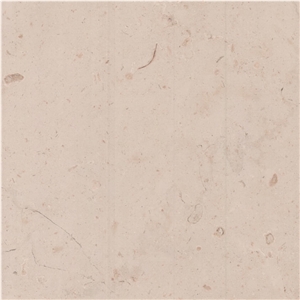
Hugo Beige Limestone

Limestone

Romania

About

Item Details

Material Type:
Limestone
Origin:
Romania
Recommended Usage:
Monuments, building stone, ornamental stone, stairs, interior, exterior wall and floor applications, mosaic, wall panels, reliefs, window sills, balustrades, columns, wall and pool copings, pool pavers, sculptures, fireplaces, cobbles, pavers, curbstone
Additional Names:
Transylvania Beige Limestone, Hugo Light Cream Limestone, in China stone market:雨果石(Yǔguǒ Shí)
Finished Surface:
Polished,Bush Hammered,Tumbled,Brushed,Honed,Split,Machine Cut,Natural Surface,Sandblasted,Acid Washing,Combed,Leathered,Water Jet,Filled,Chiseled,Pickling

Testing

Water Absorption:
2.78 %
Density:
2550–2600 kg/m³
Flexural Strength:
5.85 MPa
Compressive Strength:
55.6 MPa

Description

Hugo Beige Limestone is a refined natural stone known for its dominant light, creamy beige‑gray or warm greige base. It is gently accented with faint darker gray speckles and soft micro‑variations, which lend the surface an organic, textured appearance. The overall look is subtle and harmonious, making Hugo Beige an elegant choice for projects requiring a calm, natural aesthetic with understated warmth.

Texture & Pattern

  • Color Base: Light creamy beige‑gray / warm greige
  • Visual Texture: Subtle darker gray speckles and micro‑variations
  • Pattern Style: Soft and organic; non‑directional
  • Feel: Smooth, neutral, and naturally warm, suitable for a wide range of design styles

Physical & Mechanical Properties

  • Water Absorption: 2.78%
  • Density: 2550–2600 kg/m³
  • Flexural Strength: 5.85 MPa
  • Compressive Strength: 55.6 MPa
  • Hardness (Mohs): ~3–4 (typical for limestone)
  • Porosity: Moderate (natural limestone)

The moderate porosity and absorption reflect limestone’s natural characteristics — softer and more absorbent than most granites and marbles, but beautifully suited for many interior and exterior applications with proper sealing and maintenance.

Chemical & Mineral Composition (% by weight)

Typical limestone composition includes:

  • Calcium Carbonate (CaCO₃): ~90–97%
  • Clay Minerals: ~1–4%
  • Quartz: ~0.5–2%
  • Feldspar & Other Trace Minerals: ~0.5–2%

This composition gives Hugo Beige its soft, warm tones and contributes to its workable nature while maintaining structural integrity for architectural use.

Usage & Applications

Hugo Beige Limestone is versatile and suitable for both residential and commercial spaces, including:

  • Flooring & Wall Cladding — interior and light exterior
  • Feature Walls & Columns
  • Staircases & Steps
  • Countertops & Vanity Tops (with sealing)
  • Bathroom Walls & Flooring (with proper sealing)
  • Fireplaces & Architectural Accents
  • Paving & Garden Hardscapes (when sealed and protected)

Its warm neutral tone works exceptionally well with wood, metal, and soft textiles, fitting classic, transitional, and contemporary schemes.

Maintenance & Care

To preserve the beauty of Hugo Beige Limestone:

  • Sealing: Recommended upon installation and periodically thereafter, especially in wet or high‑traffic areas.
  • Cleaning: Use pH‑neutral stone cleaners. Avoid acidic or abrasive cleaners that can dull or etch the surface.
  • Spills: Wipe up spills promptly to reduce staining risk.
  • Polished Finishes: May require more frequent sealing and gentle care to prevent dulling.

Proper maintenance enhances durability and preserves the natural tone and texture of the stone.

FAQ

Is Hugo Beige Limestone good for a headstone?

Hugo Beige Limestone can be a suitable material for a headstone, but there are several factors to consider to ensure it meets your specific needs: 1. **Durability**: Limestone is generally softer and more porous than other stone options like granite. While it can be used outdoors, it may weather more significantly over time, especially in harsh climates. Therefore, it might not be as long-lasting as other materials for a headstone. 2. **Aesthetics**: The beige color can offer a warm and natural appearance, providing an elegant look. Its important to check if the color and texture align with the aesthetic preferences for the memorial. 3. **Maintenance**: Limestone can require more maintenance than harder stones due to its porosity and susceptibility to staining and erosion. Regular cleaning and sealing can help preserve its appearance. 4. **Engraving**: The softness of limestone can make it easier to carve, which allows for detailed engravings. However, over time, fine details might become less distinct due to weathering. 5. **Regulations**: Check with the cemetery for any regulations regarding permitted materials for headstones, as some may have restrictions. In summary, while Hugo Beige Limestone can be used for a headstone, its crucial to weigh its aesthetic appeal against practical concerns such as durability and maintenance. Consulting with a stonemason or monument maker can provide more specific advice tailored to your location and needs.

Is vinegar ok to use on Hugo Beige Limestone countertop?

Its not advisable to use vinegar on Hugo Beige Limestone or any limestone surfaces. Limestone is a calcium carbonate-based stone, which is sensitive to acidic substances. Vinegar, being acidic, can etch, dull, or damage the surface of the limestone. To safely clean limestone countertops, use a pH-neutral cleaner specially formulated for natural stone, or a mild dish soap mixed with water. Always make sure to wipe up spills immediately and dry the surface after cleaning to prevent potential damage.

How can I permanently seal Hugo Beige Limestone polished floor tiles?

Sealing Hugo Beige Limestone polished floor tiles protects them from stains and damage, enhancing their appearance and longevity. Follow these steps to seal your limestone tiles effectively: 1. **Clean the Surface:** - Sweep or vacuum the floor to remove all dust, dirt, and debris. - Mop the floor with a pH-neutral cleaner suitable for natural stone. Avoid acidic or abrasive cleaners, which can damage limestone. - Allow the floor to dry completely before proceeding. 2. **Select a Suitable Sealer:** - Choose a penetrating or impregnating sealer specifically designed for natural stone. These sealers work below the surface to protect against stains while maintaining the natural appearance of the limestone. 3. **Test the Sealer:** - Before applying the sealer to the entire floor, test it on a small, inconspicuous area to ensure it doesn’t alter the stone’s appearance unfavorably. 4. **Application:** - Use a clean, lint-free cloth, sponge, or applicator pad to apply the sealer evenly. - Work in small sections, ensuring the sealer is applied uniformly without leaving puddles. - Follow the manufacturer’s instructions regarding how long the sealer should remain on the surface before wiping away excess. Typically, it’s about 5-15 minutes. 5. **Remove Excess Sealer:** - Use a clean, dry cloth to wipe away any excess sealer that did not penetrate the stone. Leaving excess sealer on the surface can cause a hazy appearance. 6. **Allow to Cure:** - Allow the sealer to cure as per the manufacturers instructions, usually between 24 to 48 hours. During this time, avoid walking on the floor or placing items on it. 7. **Buff the Floor:** - Once cured, buff the floor with a dry, soft cloth or a dry mop to enhance the finish and ensure there are no streaks or residue. 8. **Apply Additional Coats:** - If required by the product, apply a second coat for added protection, following the same steps as above. 9. **Maintenance:** - Reapply the sealer periodically, as recommended by the manufacturer. This is typically every 1-3 years, depending on the traffic and wear the floor receives. - Clean regularly with a pH-neutral cleaner to maintain the floor’s condition. By following these steps, youll help ensure that your Hugo Beige Limestone polished floor tiles remain beautiful and protected for years to come.

How to make Hugo Beige Limestone waterproof?

To make Hugo Beige Limestone or any natural stone waterproof, youll need to apply a quality stone sealer. Sealing limestone helps protect it from water damage, staining, and general wear. Heres a step-by-step guide: 1. **Clean the Surface:** - Thoroughly clean the limestone with a mild detergent and water mixture. Use a soft brush or cloth to scrub away any dirt or grime. - Rinse the stone well with clean water to remove any soap residue. - Allow the limestone to dry completely before applying the sealer. This may take 24-48 hours depending on the environment. 2. **Choose the Right Sealer:** - Use a penetrating or impregnating sealer specifically designed for natural stone. Ensure it is rated for limestone and provides waterproofing protection. - Check if the sealer changes the appearance of the stone. Some sealers may enhance the color or add a sheen, so test it on a small, inconspicuous area first if possible. 3. **Apply the Sealer:** - Put on protective gloves and ensure the area is well-ventilated. - Use a clean, dry cloth, sponge, or brush to apply the sealer evenly over the limestone surface. - Follow the manufacturers instructions regarding application method and drying times. 4. **Let It Penetrate:** - Allow the sealer to penetrate the stone for the amount of time specified on the product label. This generally ranges from a few minutes to 15 minutes. 5. **Wipe Off Excess:** - After the sealer has had time to penetrate, use a clean cloth to wipe away any excess sealer to prevent streaks or residue on the surface. 6. **Cure Time:** - Allow the sealer to cure fully. This can vary from a few hours to 24 hours, depending on the product. Avoid using or walking on the surface until it’s completely cured. 7. **Reapply if Necessary:** - Depending on the porosity of the stone and the sealer product, a second coat may be necessary. Check instructions or test the stone by applying water droplets once the first coat has dried. If the water is absorbed quickly or causes darkening, a second coat is advisable. 8. **Maintenance:** - To maintain the waterproof protection, reapply the sealer according to the manufacturers recommended schedule, which is typically every 1-3 years. - Keep the stone clean by regularly wiping it down with a damp cloth and avoiding harsh cleaning chemicals that can degrade the sealer. By following these steps, you can help ensure your Hugo Beige Limestone remains waterproof and protected for years to come.

Does water permanently stain Hugo Beige Limestone countertop?

Hugo Beige Limestone is a natural stone, and like many other limestone varieties, it is porous. This means that it can absorb liquids, which can lead to staining if spills are not cleaned up promptly. Water itself typically doesnt cause permanent stains on limestone, but it can leave temporary marks known as water spots. If the water contains minerals or other impurities, such as from hard water, it might lead to more noticeable stains or discoloration over time. To protect your limestone countertop, its important to seal it properly. A good quality stone sealer will help repel liquids and minimize the risk of staining. Regular maintenance, such as wiping up spills immediately and using coasters or mats, can also help preserve the appearance of your countertop. If you do notice stains or marks, they can often be removed with specific cleaning products designed for natural stone. However, always be sure to follow the manufacturers recommendations and test any cleaning solution on an inconspicuous area first.

Is Hugo Beige Limestone good for kitchen countertops?

Hugo Beige Limestone can be used for kitchen countertops, but there are several factors to consider before making a decision: 1. **Porosity**: Limestone is a porous material, which means it can absorb liquids and stain if not properly sealed. In a kitchen setting, where spills are common, its crucial to ensure that the limestone is sealed properly and resealed regularly to maintain its appearance. 2. **Durability**: Limestone is softer than other natural stone options like granite or quartzite, making it more susceptible to scratches and chips. While it can still be a feasible choice, youll need to be cautious with heavy kitchen use. 3. **Maintenance**: Regular maintenance is essential for limestone countertops. This includes resealing the surface, using cutting boards to prevent scratches, and cleaning up spills promptly to avoid staining. 4. **Aesthetic**: Hugo Beige Limestone offers a warm, natural look that can enhance many kitchen designs. Its neutral tone can complement a variety of styles, from traditional to modern. 5. **Cost**: Depending on the specific quarry and finish, limestone can range in price. Its often more affordable than marble but can be comparable to high-end granites and engineered stones. Overall, if you prioritize aesthetics and are prepared for the maintenance and care required, Hugo Beige Limestone can be a beautiful choice for a kitchen countertop. However, if you are looking for a low-maintenance, highly durable option, you may want to consider other materials.

Products & Prices

Hot Limestone

New Limestone

Post Your Request

The request includes:
  1. surface finished, size
  2. quantity required