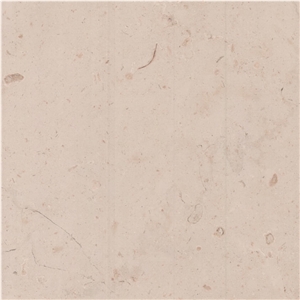
Iliria White Limestone

About
Item Details
- Material Type:
- Limestone
- Origin:
Italy (Provincia di Vicenza, Veneto) - Recommended Usage:
- Kitchen and bathroom countertops, wash basins, building stone, ornamental stone, stairs, interior, exterior wall and floor applications, mosaic, waterjet pattern, wall panels, table tops, balustrades, columns, wall and pool copings, pool pavers, fireplaces, window sills
- Additional Names:
- Pietra Bianca Di Vicenza, Bianco Avorio Limestone, Bianco Avorio Vicenza Limestone, Pietra Di Vicenza, Pietra Di Vicenza Chiara, Pietra Vicenza, San Gottardo Limestone, Vicenza Limestone, Vicenza Stone, in China stone market:伊利亚白(Yīlìyà Bái)
- Finished Surface:
- Polished,Bush Hammered,Tumbled,Brushed,Honed,Split,Machine Cut,Natural Surface,Sandblasted,Acid Washing,Combed,Leathered,Water Jet,Filled,Chiseled,Pickling
Testing
- Water Absorption:
- 10.7% by weight
- Density:
- 1925 kg/m³
- Flexural Strength:
- 4.4 MPa
- Compressive Strength:
- 22.7 – 26.9 MPa
Description
Iliria White Limestone — Overview
Origin: Italy — San Gottardo, Colli Berici, Zovencedo, Provincia di Vicenza, Veneto
Stone Type: Natural limestone (sedimentary carbonate rock)
Visual Characteristics:
- Base Color: Warm white to light grey-beige
- Accents: Subtle flecks of pale brown, taupe, and charcoal grey
- Overall Appearance: Neutral, earthy, with warm undertones
- Texture & Pattern: Visible granular composition with multi-tonal aggregate fragments; consistent yet naturally varied slabs that provide subtle depth and character
Physical & Mechanical Properties
- Water Absorption: 10.7% (by weight)
- Density: 1925 kg/m³
- Flexural Strength: 4.4 MPa
- Compressive Strength: 22.7 – 26.9 MPa
- Hardness: Medium (typical limestone, suitable for moderate wear applications)
Chemical & Mineral Composition (approx % by weight):
- Calcium Carbonate (CaCO₃): 85–92%
- Dolomite (CaMg(CO₃)₂): 2–8%
- Silica (SiO₂): 1–5%
- Clay Minerals / Matrix: 1–4%
- Iron Oxides / Minor Oxides: ≤1%
- Trace Minerals: ≤1%
Applications / Usage
Iliria White Limestone is suitable for both interior and exterior architectural applications:
- Interior:Flooring, wall cladding, staircases, feature walls, fireplaces, bathroom surfaces, countertops
- Exterior: Terraces, patios, pool surrounds, paving, facade cladding (requires proper sealing)
- Architectural Elements: Columns, window sills, balustrades, decorative moldings
Surface Finish Options
- Polished: Smooth, reflective, enhances color depth
- Honed: Satin/matte, reduces visible wear
- Leathered: Textured, natural tactile surface
- Tumbled: Softened edges, rustic appearance
- Brushed: Slight texture for slip resistance
- Sawn Cut: Matte, modern look
- Split Face / Natural: Rough, rugged aesthetic
- Waterjet Finish: Decorative inlays and patterns
Maintenance & Care
- Sealing: Recommended to protect against staining and water penetration
- Cleaning: Use pH-neutral stone cleaners; avoid acidic or abrasive cleaners
- Durability: Medium hardness; suitable for flooring, cladding, and decorative applications with proper maintenance
- Exterior Considerations: Seal regularly and ensure drainage to minimize water absorption
FAQ
Iliria White Limestone can be used for stairs, but there are several factors to consider when choosing this material in a 2 cm thickness for such an application:
1. **Weight and Load:** Ensure that a 2 cm thickness can support the expected weight and traffic. For residential purposes, it might be suitable, but for commercial or high-traffic areas, you may need a thicker stone or additional structural support.
2. **Tensile Strength:** Verify the tensile strength and durability of the Iliria White Limestone to ensure it can handle the wear and impact over time.
3. **Slipperiness:** Polished limestone can be slippery, especially when wet. Consider using a honed finish or applying non-slip treatments for safer use in stairs.
4. **Climate and Weather Resistance:** If the stairs are outdoors, consider the stones resistance to weathering, freeze-thaw cycles, and staining.
5. **Installation:** Proper installation is crucial for longevity and safety. Ensure that the stone is securely fixed and that all building codes are followed.
6. **Maintenance:** Consider the maintenance requirements of limestone. It may require sealing to protect against stains and moisture.
Consult a structural engineer or professional stone installer for a more definitive answer based on the specific conditions and requirements of your project.
Does 2cm thick Iliria White Limestone countertop crack easily?
The likelihood of a 2cm thick Iliria White Limestone countertop cracking depends on several factors, including the quality of the stone, how it was installed, and how it is used and maintained. In general, limestone is a relatively soft and porous natural stone compared to other options like granite or quartz, which makes it more susceptible to scratching and staining.
For countertops, a thickness of 3cm is often recommended for added durability, especially in high-traffic areas. However, if the countertop is properly supported, sealed, and maintained, a 2cm Iliria White Limestone countertop can still be functional.
Here are a few things to consider to reduce the risk of cracking:
1. **Proper Installation:** Ensure that the countertop is installed by professionals who can provide adequate support and minimize stress on the stone.
2. **Sealing:** Regularly seal the limestone to protect it from moisture and stains, as limestone is porous.
3. **Use and Care:** Avoid placing heavy objects directly on the countertop without adequate support, and try not to expose the stone to sudden temperature changes which can cause thermal shock.
4. **Maintenance:** Clean the countertop with mild soap and water, avoiding harsh chemicals which can weaken the stone over time.
If you have specific concerns about cracking, it might be beneficial to consult with a stone specialist or the supplier for tailored advice.
Should I avoid cutting anything on Iliria White Limestone kitchen countertop?
Iliria White Limestone is a natural stone that can be susceptible to scratches and stains, so its generally a good idea to be cautious when using it as a kitchen countertop. Here are a few considerations:
1. **Avoid Direct Cutting**: Its advisable to use a cutting board to prevent scratches on the surface. Limestone is softer than some other stones like granite, so it can be more easily damaged by knives.
2. **Use Trivets for Hot Items**: Limestone can also be affected by heat. To prevent potential damage, such as cracking or discoloration, use trivets or hot pads under hot pots and pans.
3. **Seal Regularly**: Make sure your countertop is properly sealed. Limestone is porous and can absorb liquids and stains if not sealed correctly. Regular sealing will help protect it from damage.
4. **Clean Spills Immediately**: Acidic substances, such as lemon juice, vinegar, and certain cleaning products, can etch the surface of limestone. Clean spills immediately to prevent staining and etching.
5. **Use Gentle Cleaners**: Use pH-neutral cleaning products specifically designed for natural stone to keep your countertop in good condition.
By taking these precautions, you can help maintain the beauty and integrity of your Iliria White Limestone countertop.
Can my Iliria White Limestone countertop surface be scratched with a knife?
Iliria White Limestone is a natural stone, and like most natural stones, it can be susceptible to scratching. While limestone is relatively hard, it is not as hard as materials like granite or quartz. Using a knife directly on a limestone countertop could potentially scratch or damage the surface.
To protect your Iliria White Limestone countertop, its advisable to use cutting boards whenever youre working with knives or other sharp objects. Additionally, regular sealing and proper maintenance can help preserve the stones appearance and durability over time.
Does sandblasted finish Iliria White Limestone easy stain?
Sandblasted finishes can provide a degree of resistance to staining due to the texture they impart to the stone surface, which can make the surface slightly less porous than a honed or polished finish. However, Iliria White Limestone, like many natural stones, can still be susceptible to staining if it is not properly sealed and maintained. Limestone is a calcareous stone, which means it is more porous and softer compared to other stones like granite, making it more prone to absorbing liquids and staining.
To help prevent staining on Iliria White Limestone with a sandblasted finish, it is advisable to:
1. **Seal the stone**: Apply a high-quality penetrating sealer specifically designed for limestone to help reduce its porosity and make it more stain-resistant.
2. **Regular maintenance**: Clean up spills immediately, especially those with staining potential like wine, coffee, or oil.
3. **Use mild cleaners**: Avoid acidic or harsh cleaning products that can wear down the sealer and damage the stone.
4. **Regular resealing**: Depending on the frequency of use and exposure to elements, you may need to reseal the stone periodically to maintain its stain resistance.
By following these care guidelines, you can minimize the risk of staining and maintain the appearance of your Iliria White Limestone with a sandblasted finish.
Is Iliria White Limestone countertop heat resistant?
Iliria White Limestone, like other natural stones, is generally heat resistant to a certain degree. However, it is important to take precautions when using it as a countertop. While limestone can withstand some heat, placing hot pots and pans directly onto the surface is not recommended, as extreme heat can cause discoloration, cracking, or other damage over time.
To protect your Iliria White Limestone countertop, its best to use trivets or heat pads under hot cookware. This will help maintain the stones appearance and longevity. Additionally, limestone is relatively softer and more porous compared to granite or quartz, so regular sealing and proper maintenance are important for preserving its durability and aesthetic appeal.
Is Iliria White Limestone good for kitchen countertops?
Iliria White Limestone can be used for kitchen countertops, but there are several considerations to keep in mind. Limestone is a natural stone that offers a unique and beautiful appearance, often with soft, neutral colors and subtle veining. However, it is not as hard or durable as granite or quartz, which are more commonly used for countertops. Here are some factors to consider:
1. **Porosity**: Limestone is a porous material, so it can absorb liquids and stains easily. You will need to seal it regularly to protect it from spills and stains.
2. **Scratch and Etch Resistance**: Limestone is softer than other natural stones like granite, making it more prone to scratches and etching, especially from acidic substances like lemon juice or vinegar.
3. **Maintenance**: Regular cleaning and sealing are essential to maintain its appearance and performance over time. Use pH-neutral cleaners specific to natural stone to avoid damaging the surface.
4. **Aesthetic**: If you love the softer, more rustic look of limestone and are willing to perform regular maintenance, Iliria White Limestone can be a beautiful choice for your kitchen countertops.
5. **Durability**: For high-traffic kitchens, consider whether the durability of limestone meets your needs. If you have a busy kitchen with heavy use, you might consider other materials that require less maintenance and provide greater scratch and stain resistance.
If you appreciate the natural beauty of Iliria White Limestone and are prepared for the maintenance it requires, it can be a beautiful addition to your kitchen. However, its important to balance aesthetics with practical considerations for your specific lifestyle and kitchen usage.


15YR