Post Your Needs

Impala Black Granite

Black - Granite

South Africa

About

Item Details

Material Type:
Granite
Origin:
South Africa (Bosspruit, Rustenburg, North-West)
Primary Color(s):
Black
Recommended Usage:
Kitchen and bathroom countertops, monuments, building stone, ornamental stone, stairs, interior, exterior wall and floor applications, mosaic, waterjet pattern, balustrades, fireplaces, columns, wall panels
Additional Names:
Africa Nero Impala Granite, African Impala Granite, Black Impala Granite, Diorit Impala Granite, Eagle Black Granite, Gabbro Impala Granite, Granit Impala, Impala Gabbro Granite, Impala Granit, Impala Negro Granite, Jasberg Granite, Maricana Granite, Marikana Granite, Marikana Black Granite, Negro Impala Granite, Negro Rustemberg Granite, Negro Rustemburg Granite, Negro Rustenberg Granite, Negro Sudafrica Granite, Nero Africa Granite, Nero Africa Impala Granite, Nero Afrika Granite, Nero Afrika Impala Granite, in China stone market:因帕拉黑(Yīn pà lā hēi), 巴拿马黑(Bānámǎ hēi), Impala Black Granite
Finished Surface:
Polished,Flamed,Bush Hammered,Tumbled,Brushed,Honed,Split,Machine Cut,Natural Surface,Sandblasted,Acid Washing,Combed,Leathered,Water Jet,Filled,Chiseled,Pickling

Testing

Water Absorption:
0.10 %
Density:
2930 kg/m3
Flexural Strength:
22.4 MPa
Compressive Strength:
244.8 - 265.0 MPa

Description

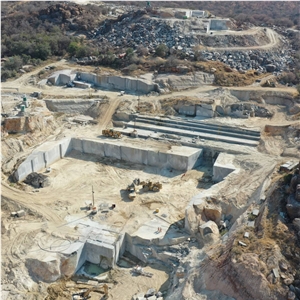
Impala Black Granite is a popular natural stone that is characterized by its deep black color and striking appearance. It is primarily quarried in South Africa, specifically in the region known as Rustenburg, which is renowned for its abundant granite deposits.

The defining feature of Impala Black Granite is its consistent and uniform black color. The granite has a rich and dark appearance that spans across the entire slab, providing a sleek and elegant aesthetic. The deep black hue of Impala Black Granite makes it a versatile choice that can blend seamlessly with a variety of design styles, from contemporary to traditional.

One of the notable qualities of Impala Black Granite is its durability and hardness. It is known for its resistance to scratches, heat, and moisture, making it an excellent choice for high-traffic areas and surfaces that require longevity. Whether used as kitchen countertops, flooring, wall cladding, or even in outdoor applications, Impala Black Granite can withstand daily use and maintain its beauty over time.

Impala Black Granite exhibits a medium to coarse-grained texture, giving it a visually interesting surface. It may feature sporadic silver or grey mineral specks, adding subtle variations and depth to the overall appearance. These specks, known as "flecks" or "sparkles," create a unique and captivating visual effect when the granite is exposed to light.

With its sleek black color and textured surface, Impala Black Granite can serve as a striking focal point or as a complementing element in various design settings. It is often used in both residential and commercial projects, adding a touch of sophistication and elegance to interiors and exteriors alike.

To maintain Impala Black Granite's beauty and durability, regular cleaning with mild soap and water is recommended. Avoid using abrasive cleaners or acidic substances that can damage the surface. Applying a sealant periodically helps protect the granite and preserve its appearance.

In summary, Impala Black Granite is a stunning natural stone known for its deep black color, durability, and versatility. Its sleek appearance and resistance to wear make it a sought-after choice for a wide range of applications. Whether used in kitchens, bathrooms, or other areas, Impala Black Granite adds a touch of elegance and refinement to any space.

FAQ

How often do I need to seal Impala Black Granite floor?

The frequency of sealing Impala Black Granite floor will depend on several factors such as the level of foot traffic, the type and frequency of cleaning products used, and the overall wear and tear of the floor. Generally, it is recommended to seal granite floors every 1-3 years. However, it is important to regularly check if the sealer is still effective by performing a water bead test. If water no longer beads up on the surface and instead starts to absorb into the stone, it is a sign that the floor needs to be resealed.

Is Impala Black Granite gravestone hard to maintain?

Impala Black Granite is often considered a relatively low-maintenance stone for gravestones. It is known for its durability, resistance to staining, and ability to withstand outdoor elements. However, as with any material, proper care and maintenance can ensure its longevity and appearance. Regular cleaning with a non-abrasive, neutral pH cleaner and a soft cloth or sponge is usually sufficient for maintaining the gravestones appearance. Avoid using harsh chemicals, abrasive cleaners, or scrub brushes, as they can damage the surface. It is also advisable to promptly clean any spills or stains, such as from bird droppings or plant residue, to prevent potential discoloration. Additionally, sealing the granite every few years with a high-quality stone sealer can help protect it from potential stains and maintain its shine. The sealer will create a protective barrier, reducing the stones porousness and making it easier to clean. While Impala Black Granite tends to be less susceptible to issues like cracking or chipping due to its durability, it is recommended to avoid placing heavy objects on the gravestone, which could potentially cause damage. Regular inspections for any signs of damage should also be conducted to address any problems promptly. Overall, although maintenance for Impala Black Granite gravestones is generally straightforward, proper cleaning, occasional sealing, and vigilance towards potential damage are advisable for its long-term upkeep.

Do Impala Black Granite headstones fade?

Impala Black Granite is known for its durability and resistance to fading. However, like any natural material, exposure to sunlight and weather conditions over an extended period of time can cause some fading or slight change in color. Regular maintenance and proper care can help minimize these effects and maintain the original appearance of the headstone for a long time.

What is a pencil edge on a Impala Black Granite countertop?

A pencil edge on an Impala Black Granite countertop refers to a particular type of edge profile, also known as a pencil round or quarter round. It is a slightly rounded edge that is created by cutting and shaping the edges of the granite slab at a 90-degree angle and then rounding off the top and bottom edges with a small radius. This edge profile gives the countertop a smooth and subtle curve, providing a timeless and elegant look to the granite surface.

What is a laminated edge on Impala Black Granite countertop?

A laminated edge on an Impala Black Granite countertop refers to a design feature where an additional strip of granite is fixed to the front edge of the countertop. This strip is typically 2-3 cm thick and is bonded to the main slab to create a thicker and more visually appealing edge profile. The lamination process helps to achieve a seamless appearance and adds extra strength and durability to the edge of the countertop. This type of edge treatment can enhance the overall aesthetic appeal of the countertop and provide a finished look to the surface.

Can I change the edge of a Impala Black Granite countertop?

Yes, you can change the edge of an Impala Black Granite countertop. Granite countertops can be custom-cut and polished to your desired edge profile. There are various edge styles to choose from, such as bullnose, eased, beveled, ogee, and more. It is recommended to consult with a professional countertop fabricator to discuss your preferred edge profile and have it properly modified.

How do I finish Impala Black Granite countertop edges?

To finish the edges of an Impala Black Granite countertop, you can follow these steps: 1. Gather the necessary tools and materials: - Diamond polishing pads (ranging from coarse to fine grit) - Variable-speed angle grinder/polisher - Water source (such as a spray bottle or hose) - Masking tape - Safety goggles - Dust mask - Protective gloves 2. Prepare the workspace: - Make sure the countertop is clean and free from any debris or dust. - Cover nearby surfaces and cabinets with drop cloths or plastic sheeting to protect them from water, residue, and debris. 3. Begin with the coarse grit polishing pad: - Attach the appropriate grit (usually 50 or 100) diamond polishing pad to the angle grinder. - Wet the edge of the countertop and the polishing pad with water to lubricate and cool the surface during the polishing process. - Hold the angle grinder at a slight angle to the countertop edge, applying even pressure as you move the grinder back and forth along the edge. Ensure that you maintain a consistent angle to prevent uneven or wavy results. - Continue grinding the entire length of the edge until the desired shape and smoothness are achieved. Be patient and take breaks as needed to avoid overheating the machine or the countertop. 4. Progress to finer grit pads: - Replace the coarse grit pad with a finer grit (e.g., 200 or 400) diamond polishing pad on the angle grinder. - Repeat the grinding process as described in step 3, gradually working your way up to the finest grit pad available. - Each subsequent pad will help smooth out the scratches left by the previous grit pad, progressively enhancing the granites shine and clarity. 5. Polish the edge to a glossy finish: - Once you have finished with the finest grit pad, replace it with a buffing pad designed for polishing granite. - Apply a small amount of granite polishing compound or powder to the edge of the countertop or directly to the buffing pad. - Using the angle grinder at a lower speed or variable speed setting, gently move the buffer along the full length of the countertop edge in smooth, circular motions. Apply even pressure to ensure consistent results. - Repeat this step until the desired level of glossiness is achieved. 6. Clean and inspect the countertop: - Once finished, clean the countertop thoroughly with water and a mild detergent to remove any residue from the polishing process. - Dry the countertops with a soft cloth. - Inspect the edges to ensure they have the desired shape, smoothness, and shine. Make any necessary touch-ups or adjustments to achieve your desired result. Remember to follow all safety precautions and recommendations specified by the manufacturer of the tools and materials you are using. If you are unfamiliar or uncomfortable with using power tools, it is advisable to seek professional assistance to finish your Impala Black Granite countertop edges.

What is the most popular edge for Impala Black Granite countertops?

The most popular edge for Impala Black Granite countertops is typically the simple straight edge, also known as a square edge or a straight edge with a slight bevel. This clean and modern look allows the natural beauty of the granite to shine and is versatile enough to complement most kitchen or bathroom designs.

Is Impala Black Granite good for bar countertops?

Yes, Impala Black Granite is a popular and recommended choice for bar countertops. Its deep black color adds a sleek and sophisticated look to the bar area, while its durability and resistance to scratches make it able to withstand the heavy use and wear that countertops in a bar environment often experience. Additionally, the natural beauty and unique patterns of Impala Black Granite can enhance the overall aesthetic appeal of the bar.

Products & Prices

View More

Hot Black Granite

New Granite

Post Your Request

The request includes:
  1. surface finished, size
  2. quantity required