Post Your Needs

Incense Plum Marble

Lilac - Marble

Turkey

About

Item Details

Material Type:
Marble
Origin:
Turkey (Milas, Mugla)
Primary Color(s):
Lilac
Recommended Usage:
Kitchen and bathroom countertops, wash basins, building stone, ornamental stone, stairs, interior, exterior wall and floor applications, mosaic, waterjet pattern, wall panels, table tops, balustrades, columns, wall and pool copings, pool pavers, sculptures, fireplaces
Additional Names:
Vino Viola Calacatta Marble, Greylac Marble, Milas New York Marble, Milas Lilac Marble, Incense Lilac Marble, Chanel Plum Marble, Chanel Lilac Marble, in China stone market:香雪梅(Xiāngxuě méi), Incense Plum Marble
Finished Surface:
Polished,Bush Hammered,Tumbled,Brushed,Honed,Split,Machine Cut,Natural Surface,Sandblasted,Combed,Leathered,Water Jet,Filled,Chiseled,Pickling

Testing

Water Absorption:
0.1 weight %, 0.2 vol %
Density:
2720 - 2740 kg/m3
Flexural Strength:
7-10 MPa
Compressive Strength:
99.96 MPa

Description

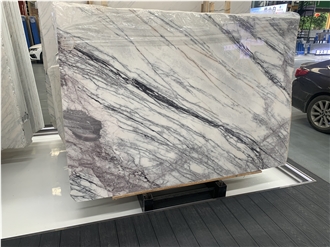
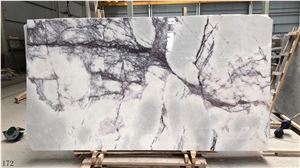
Incense Plum Marble is a beautiful, unique stone quarried in Milas, Mugla province, Turkey. It is characterized by a white base with striking dark plum violet streaks and subtle veining, giving it a sophisticated and elegant appearance. Here's a detailed breakdown of its properties and features:

Physical and Visual Properties:

Background Color: The stone has a soft white background, providing a clean and bright foundation.

Veining: It features dark plum and violet streaks that flow through the stone, creating an elegant, dramatic contrast with the white background. The veining can vary in intensity, with some slabs displaying more prominent veins than others.

Texture: The surface of Incense Plum Marble is generally smooth with a fine-grained structure. It has a polished appearance when finished but maintains a slight natural texture depending on the chosen surface finish.

Chemical Composition:

Primary Composition: Incense Plum Marble is primarily composed of calcite (calcium carbonate), typical of most marble varieties.

Impurities: The darker plum and violet hues come from trace elements like iron oxides and manganese which impart the color.

Mineral Composition:

Calcite (CaCO?) – 95% (Approx.)

Dolomite – 3% (Approx.)

Iron Oxides – Contributing to the darker plum streaks (Approx. 2%)

Mechanical Properties:

Hardness: As a marble, Incense Plum typically has a Mohs hardness of 3-4, which makes it relatively soft compared to granite but still suitable for most interior applications.

Density: It has a medium density, which varies slightly between slabs but is generally around 2.6 to 2.8 g/cm³.

Porosity: Incense Plum Marble is relatively porous compared to other natural stones like granite, so sealing is recommended for stain resistance.

Compressive Strength: This marble has a compressive strength of around 80 to 100 MPa, which is strong enough for most applications but should be handled with care, especially in high-traffic areas.

Usage:

Incense Plum Marble’s unique veining and elegant appearance make it ideal for a variety of luxury applications:

Interior Flooring:Its striking appearance is perfect for high-end flooring in lobbies, living rooms, and corridors.

Wall Cladding: It works well as an eye-catching accent or full-wall cladding in spaces like bathrooms, feature walls, and fireplaces.

Countertops & Vanities: The white background with dark veins adds sophistication to kitchen countertops, bathroom vanities, and even bar tops.

Decorative Elements: This marble is used in decorative items like columns, panels, and custom designs.

Maintenance:

Cleaning: Regular cleaning with a mild detergent and water is recommended. Avoid acidic cleaners (like vinegar or lemon), which can damage the marble's surface.

Sealing: Due to its porosity, Incense Plum Marble should be sealed regularly (every 1-2 years) to prevent staining from oils, wine, or other substances.

Scratch Resistance: Marble is softer than granite, so care should be taken to prevent scratches from sharp objects.

Cutting and Surface Finish Options:

Cutting: Incense Plum Marble can be easily cut into slabs or tiles using a diamond-tipped saw. The natural texture and veining require attention during cutting to minimize cracking.

Polished Finish: The most common finish, this gives the stone a shiny, glossy look that enhances its color and veining. It works especially well for countertops and bathroom surfaces.

Honed Finish: A matte finish, honed marble is ideal for floor applications, giving it a softer look while maintaining its luxurious feel.

Leathered Finish: The leathered texture adds depth and reduces the stone’s reflective quality, making it suitable for more rustic or contemporary designs.

Brushed Finish: This gives the marble a soft, textured feel while reducing shine. It is an excellent option for creating a more natural look, particularly for floors or exterior cladding.

Test Results:

Water Absorption: Typically ranges from 0.2% to 1.5%, making it suitable for interior use but requiring sealing for high-moisture areas.

Flexural Strength: Approximately 7-10 MPa, which is average for marble and suitable for use in decorative elements and moderate-use applications.

Thermal Resistance: Marble generally has good heat resistance, but prolonged exposure to high heat can cause discoloration or damage, so care should be taken in kitchen applications.

Acid Resistance: Sensitive to acidic substances, so surfaces should be protected from cleaning agents or food like citrus, wine, or vinegar.

Conclusion:

Incense Plum Marble is a beautiful and luxurious stone with distinctive veining and a soft, clean background. It is well-suited for both functional and decorative applications, though it requires regular maintenance and care to preserve its aesthetic qualities. With various surface finishes available, it can be tailored to suit a wide range of architectural and design styles, from classic to contemporary.

FAQ

Do fruit juices stain the surface of Incense Plum Marble kitchen counter?

Fruit juices can potentially stain the surface of Incense Plum Marble kitchen counters if not cleaned up quickly. The acids in fruit juices can react with the marble and cause discoloration or etching on the surface. It is important to wipe up any spills or splatters immediately with a damp cloth and mild soap to prevent staining. Additionally, it is recommended to seal the marble countertops regularly to provide a protective barrier against stains.

Is 3cm thick Incense Plum Marble durable enough for use as patio walkway pavers?

No, 3cm thick Incense Plum Marble is not durable enough for use as patio walkway pavers. Patio walkway pavers typically need to be at least 5cm thick to withstand heavy foot traffic and outdoor elements. Using 3cm thick marble may result in cracking or breaking under the pressure of regular use. It is recommended to choose a more durable material such as concrete or thicker natural stone for patio walkway pavers.

Does the surface of Incense Plum Marble countertop scratch easily?

Marble countertops, including Incense Plum Marble, are known to be susceptible to scratching and etching. The surface of Incense Plum Marble can scratch easily, especially if sharp or abrasive objects are dragged across it. It is important to use cutting boards and avoid placing heavy or sharp objects directly on the countertop to prevent scratching. Regular cleaning and maintenance can also help protect the surface of the marble and minimize the risk of scratches.

Can glossy polished Incense Plum Marble be used for pool terrace pavement?

Glossy polished Incense Plum Marble may not be the best choice for pool terrace pavement. The high gloss finish can be slippery when wet, posing a safety hazard for people walking around the pool. It may also be prone to scratching and etching from pool chemicals and heavy foot traffic. Instead, consider using a honed or textured finish marble for better traction and durability in a pool terrace setting.

Can 2cm thick Incense Plum Marble be used as a kitchen countertop?

It is not recommended to use 2cm thick Incense Plum Marble as a kitchen countertop. Marble is a relatively soft and porous material that is prone to scratching, staining, and etching from acidic substances such as lemon juice, vinegar, and tomatoes commonly found in kitchen environments. Additionally, a 2cm thickness may not provide enough structural support for a kitchen countertop, especially for heavy usage. It is better to opt for a thicker and more durable material such as granite or quartz for kitchen countertops.

How can I maintain polished Incense Plum Marble flooring?

To maintain polished Incense Plum Marble flooring, follow these tips: 1. Clean regularly: Sweep or vacuum the floors regularly to remove dirt, dust, and debris that can scratch the surface of the marble. 2. Use a gentle cleaner: Use a pH-neutral cleaner specifically designed for marble to clean the floors. Avoid using harsh chemicals or acidic cleaners as they can damage the marble. 3. Wipe up spills immediately: Clean up any spills or stains immediately to prevent them from penetrating the marble and causing permanent damage. 4. Seal the marble: Seal the marble periodically to protect it from stains and scratches. Consult with a professional for advice on the best sealant for your specific type of marble. 5. Avoid dragging heavy objects: Do not drag heavy furniture or objects across the marble floors, as this can scratch or damage the surface. 6. Use rugs or mats: Place rugs or mats in high traffic areas to protect the marble from wear and tear. 7. Apply a polishing agent: Use a marble polishing agent occasionally to maintain the shine and luster of the floors. By following these tips, you can keep your Incense Plum Marble flooring looking polished and beautiful for years to come.

Can Turkey's Incense Plum Marble be used exterior applications in very rainy climates?

Turkeys Incense Plum Marble can be used for exterior applications in rainy climates, but it is important to note that marble is a porous natural stone and may require additional care and maintenance to withstand the effects of constant exposure to rain and moisture. In rainy climates, it is recommended to properly seal the marble to protect it from water penetration and potential damage. This will help prevent problems such as discoloration, staining, and the growth of mold or mildew. Additionally, regular cleaning and maintenance will be necessary to keep the marble in good condition. This may include regular washing, avoiding the use of harsh chemicals or cleaners that can damage the stone, and promptly addressing any spills or stains. It is worth consulting with a stone or marble professional who can provide specific recommendations based on the properties of Turkeys Incense Plum Marble and the particular climate conditions.

Can Turkey's Incense Plum Marble be used in wall coverings?

Yes, Turkeys Incense Plum Marble can be used in wall coverings. It is a type of marble that is known for its natural beauty and unique plum-colored veins, making it a popular choice for interior design projects, including wall coverings. The marble can be cut into tiles or slabs and used to cover walls in various applications such as bathrooms, kitchens, living rooms, or any other area where a luxurious and elegant look is desired.

What is the coefficient of friction of Filled Turkey's Incense Plum Marble tiles?

It is not possible to determine the coefficient of friction of a specific product, such as Filled Turkeys Incense Plum Marble tiles, without proper testing and evaluation. The coefficient of friction can vary depending on factors such as the surface finish, presence of coatings, environmental conditions, and the testing method used. To determine the coefficient of friction for a specific tile product, it is recommended to consult the manufacturers specifications or conduct independent laboratory testing. The manufacturer should be able to provide information on the slip resistance or coefficient of friction of their product.

Products & Prices

View More

Hot Lilac Marble

New Marble

Post Your Request

The request includes:
  1. surface finished, size
  2. quantity required