Granite and Labradorite are both types of natural stone, but they have some differences in terms of their composition, appearance, and properties.
1. Composition: Granite is primarily composed of several minerals like quartz, feldspar, and mica. Labradorite, on the other hand, is a type of feldspar mineral belonging to the plagioclase group.
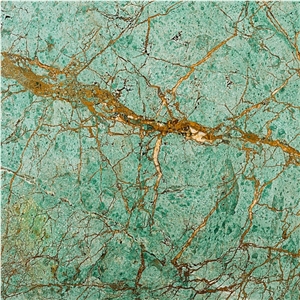
2. Appearance: Granite typically comes in a wide range of colors like white, black, gray, pink, or brown, depending on its mineral composition. It often exhibits small flecks or grains of different minerals. Labradorite is known for its iridescent play of colors, known as labradorescence, which gives it a unique and striking appearance. It usually displays shades of blue, green, gold, or gray with flashes of vibrant colors when light reflects off its surface.
3. Durability: Both granite and labradorite are durable stones, resistant to scratching, heat, and moisture. However, granite is generally considered to be more dense and resistant to wear and tear. Labradorite, while still durable, may be slightly more susceptible to damage and is often used in lower-traffic areas such as countertops or wall features.
4. Use Cases: Granite is commonly used as a countertop material in kitchens and bathrooms due to its durability and wide range of colors. It is also used for flooring, tiles, and many other applications. Labradorite, with its unique colors and patterns, is often used as a decorative stone in countertops, wall claddings, tiles, jewelry, or as an ornamental stone in sculptures.
Overall, granite is a versatile and widely used stone known for its durability and range of colors, while labradorite is more sought after for its unique iridescence and visual appeal.


 Madagascar

 7YR

 China


 Brazil
 Iran

 Norway


 India


