Post Your Needs

King Stone Granite

Granite

Cambodia

About

Item Details

Material Type:
Granite
Origin:
Cambodia (Svay Chreah Commune, Snuol District, Kratie Province)
Recommended Usage:
kitchen and bathroom countertop, wash basins, building stone, ornamental stone, stairs, interior wall and floor applications, mosaic, water-jet pattern, wall panels, table tops, balustrades, columns, fireplaces, luxury furniture
Additional Names:
King Stone Pearl Granite, Cambodia Black Marinace Granite, Cambodia King Stone, King Stone Conglomerate, Cambodian Pebble Stone
Finished Surface:
Polished,Bush Hammered,Tumbled,Brushed,Honed,Split,Machine Cut,Natural Surface,Sandblasted,Acid Washing,Combed,Leathered,Water Jet,Chiseled,Pickling

Testing

Water Absorption:
0.15 - 0.50%
Density:
2670 - 2730 kg/m³
Flexural Strength:
14 - 20 MPa
Compressive Strength:
130 - 160 MPa

Description

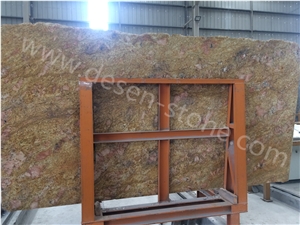
King Stone Granite is a distinctive natural conglomerate stone quarried in Cambodia, widely recognized for its unique composition of rounded and sub-rounded pebbles naturally cemented within a dark mineral matrix. Known locally as "King Stone" or "Cambodia King Stone," this remarkable material combines geological diversity with exceptional decorative appeal.

The stone exhibits a sophisticated blend of cool gray and earthy tones, highlighted by embedded pebbles of varying sizes, colors, and mineral compositions. When polished, the surface develops a luxurious high-gloss finish that accentuates the individual pebbles, creating brilliant reflective highlights and a striking visual depth.

Its naturally artistic appearance makes it highly desirable for architectural features, luxury interiors, landscape elements, and custom stone applications.

Color & Appearance

Background Matrix

  • Dark Gray
  • Charcoal Gray
  • Graphite Gray
  • Occasional Black Mineral Zones

Pebble Colors

  • Deep Gray, Black, Light Gray, White, Silver Gray, Beige, Tan, Cream, Translucent Quartz, Crystalline, Mineral Fragments

Visual Characteristics

  • High contrast appearance
  • Naturally decorative composition
  • Luxurious polished effect
  • Sparkling mineral reflections
  • Unique pattern in every slab

Texture & Structure

Texture

  • Coarse-grained conglomeratic texture
  • Smooth polished pebble surfaces
  • Dense and compact structure

Structure

  • Naturally cemented pebble conglomerate
  • Rounded to sub-rounded gravel fragments
  • Multi-mineral composition
  • Strong interlocking framework

Surface Characteristics

  • Highly reflective when polished
  • Excellent visual depth
  • Distinctive pebble pattern
  • Rich natural movement

Pattern

King Stone Granite displays a naturally random pebble pattern formed through geological sedimentation and lithification processes.

Pattern Features

  • Rounded pebble distribution
  • Mixed pebble sizes
  • High visual variation
  • Natural mosaic appearance
  • Decorative aggregate structure
  • Unique slab-to-slab character

Mineral Composition (% by Weight)

  • Quartz: 35–40
  • Feldspar: 20–25
  • Granite Fragments: 10–15
  • Quartzite Fragments: 8–12
  • Chert & Siliceous Pebbles: 5–8
  • Mica Minerals: 2–4
  • Iron Oxides: 1–3
  • Carbonate Minerals: 1–3
  • Heavy Minerals<: 1
  • Trace Minerals: Balance

Chemical Composition (% by Weight)

  • SiO₂: 68–75
  • Al₂O₃: 10–14
  • Fe₂O₃: 2–5
  • K₂O: 2–4
  • Na₂O: 2–4
  • CaO: 1–3
  • MgO: 1–2
  • TiO₂: 0.2–0.8
  • Trace Elements: Balance

Physical & Mechanical Properties

  • Bulk Density: 2670–2730 kg/m³
  • Apparent Porosity: 0.4–1.2%
  • Water Absorption: 0.15–0.50%
  • Compressive Strength: 130–160 MPa
  • Flexural Strength: 14–20 MPa
  • Abrasion Resistance: Excellent
  • Frost Resistance: Excellent
  • Impact Resistance: Excellent
  • Mohs Hardness: 6–7

Applications

Interior Applications

  • Flooring
  • Feature Walls
  • Reception Desks
  • Hotel Lobbies
  • Countertops
  • Vanity Tops
  • Staircases
  • Decorative Panels
  • Luxury Furniture
  • Fireplace Surrounds

Exterior Applications

  • Building Facades
  • Landscape Features
  • Outdoor Paving
  • Garden Elements
  • Monumental Architecture
  • Public Spaces
  • Pool Surrounds
  • Outdoor Furniture
  • Cladding Systems

Maintenance

Daily Cleaning:Clean with pH-neutral stone cleaners. Use soft cloths or microfiber mops. Remove dirt and dust regularly.

Preventive Care: Seal periodically for enhanced stain protection. Wipe spills immediately. Avoid acidic cleaners and harsh chemicals. Use protective pads under heavy furniture.

Long-Term Maintenance: Professional resealing recommended based on usage. Periodic deep cleaning preserves gloss and appearance. Proper maintenance enhances longevity and natural beauty.

FAQ

Does King Stone Granite contain any harmful radioactivity or chemicals when used as a kitchen countertop?

When considering the use of granite, including King Stone Granite, as a kitchen countertop, it is important to consider the potential for low levels of radioactivity. Granite is a natural stone and can contain trace amounts of radioactive elements like uranium, thorium, and potassium-40. These elements decay over time and produce radon, a colorless and odorless gas that can be harmful at high levels or with long-term exposure. However, it is worth noting that while granite can emit small amounts of radon, the levels are generally considered to be very low and not a significant health concern in a well-ventilated home. In fact, studies and assessments by various health and safety organizations have found that the levels of radon from granite countertops are typically far below the levels that are a risk to health. In addition to radioactivity, granite can also contain minute amounts of other chemicals, but these are usually present in such low quantities that they do not pose significant health risks. Its always beneficial to acquire granite from reputable suppliers who can provide information on the safety and quality of their products. If you have concerns about radon or chemicals from your granite countertops, consider consulting with professionals who can measure radon levels in your home and suggest appropriate mitigation measures if necessary. Proper sealing and routine maintenance can also help reduce any potential risk from granite countertops.

What color cabinet goes with King Stone Granite kitchen countertop?

King Stone Granite typically features a mix of whites, grays, and subtle black veining, giving it a versatile and elegant appearance. When choosing cabinet colors to complement this granite, consider the following options: 1. **White Cabinets**: White provides a classic and clean look, enhancing the brightness of the space and making the kitchen feel more open. 2. **Gray Cabinets**: Opting for gray cabinets can create a cohesive look with the gray veining in the granite, offering a modern and sophisticated appearance. 3. **Dark Cabinets**: Dark colors such as espresso or black can add a dramatic contrast to the lighter tones in the granite, offering a luxurious and bold aesthetic. 4. **Light Wood Cabinets**: Natural light wood tones, like oak or maple, can add warmth and create a balanced, organic look in the kitchen. 5. **Navy Blue Cabinets**: For a pop of color that still harmonizes with King Stone Granite’s tones, navy blue can be a striking and stylish choice. When selecting a cabinet color, always consider the overall style and light in your kitchen, as well as how the cabinet color complements other elements in the space. Its often helpful to view samples in the actual lighting of your kitchen to make the best decision.

What cleaner not to use on King Stone Granite stair steps?

When cleaning King Stone Granite stair steps, its important to avoid using certain types of cleaners that can damage the stone. Here are some cleaners you should not use: 1. **Acidic Cleaners**: Avoid using cleaners that contain acids, such as vinegar, lemon juice, or products specifically designed to remove lime or rust. These can etch and dull the surface of the granite. 2. **Abrasive Cleaners**: Do not use scouring powders or creams that are abrasive, as they can scratch the stones surface. 3. **Ammonia-based Cleaners**: Products containing ammonia can also harm the finish of granite. They might not etch as acids do, but they can still dull the surface over time. 4. **Bleach**: Steer clear of bleach or any bleach-based cleaners. Bleach can stain the granite and break down the sealant, leading to further damage. 5. **Alkaline Cleaners**: Highly alkaline cleaners can also cause problems similar to acidic ones, potentially leading to dull spots on the stone over time. 6. **Commercial Grout Cleaners or Bathroom Cleaners**: Many of these contain harsh chemicals that are not suitable for granite. Instead, use a pH-neutral cleaner specifically formulated for natural stone, or simply use a mixture of mild dish soap and warm water for routine cleaning. Always seal your granite regularly to help protect it from stains and damage.

Can I use bleach when cleaning a King Stone Granite kitchen countertop?

Using bleach on King Stone Granite or any natural stone countertops is generally not recommended. Bleach can be too harsh and may damage the sealant on the stone, leading to discoloration and weakening of the surface. Instead, it is better to use a pH-balanced cleaner specifically designed for granite or natural stones. These cleaners are gentle and help maintain the stones seal and shine. For routine cleaning, you can use a mixture of warm water and mild dish soap, applied with a soft cloth or sponge. Be sure to rinse thoroughly with water and dry the countertop with a soft cloth to prevent water spots. If you have tough stains, consider using a stone-safe cleaner or contacting the manufacturer for recommended products and methods. Always avoid acidic or abrasive cleaners, as they can damage the stones surface.

What does vinegar do to King Stone Granite countertop?

Using vinegar on King Stone Granite countertops, or any granite surface, is generally not recommended. Vinegar is acidic and can damage the surface of the granite by etching or dulling the finish. Over time, repeated exposure to vinegar can degrade the sealant on the granite, making it more susceptible to stains and damage. For cleaning granite countertops, its best to use a pH-neutral cleaner or a mixture of mild dish soap and water to preserve the stones integrity and appearance.

Is 18 mm King Stone Granite good for a commercial bathroom top?

Using 18 mm King Stone Granite for a commercial bathroom countertop can be a suitable choice, but there are several factors to consider: 1. **Durability**: Granite is known for its durability and can withstand heavy use, which is ideal for commercial environments. However, be sure that the 18 mm thickness provides sufficient strength for the usage and potential impacts common in commercial settings. Typically, thicker slabs (e.g., 20 or 30 mm) might offer better durability over time. 2. **Aesthetic Appeal**: Granite has a timeless and high-end appearance, which can enhance the look of a commercial bathroom, adding elegance and style. 3. **Maintenance**: Granite is relatively easy to maintain. It is important to seal it properly to prevent staining and moisture absorption, especially in a high-traffic, potentially wet environment like a bathroom. 4. **Cost**: Consider your budget. While granite is generally more expensive than certain other materials, its long-term benefits and appearance might justify the investment for a commercial property. 5. **Installation and Support**: Ensure that the installation is done by professionals and that proper support is provided for the thinner 18 mm thickness to prevent any issues related to structural integrity. If these points align with your commercial bathroom needs, then 18 mm King Stone Granite could indeed be a good choice. Be sure to consult with a professional to assess all aspects of the project.

Products & Prices

View More

Hot Granite

New Granite

Post Your Request

The request includes:
  1. surface finished, size
  2. quantity required