Post Your Needs

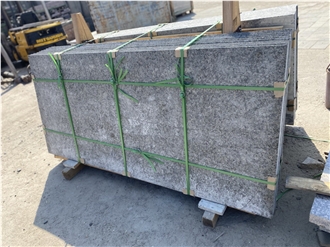
Labradorite Ice Blue Granite

White - Granite

Madagascar

About

Item Details

Material Type:
Granite
Origin:
Madagascar (Ihosy, Ihorombe Region, central south Madagascar)
Primary Color(s):
White
Recommended Usage:
kitchen and bathroom countertop, wash basins, building stone, ornamental stone, stairs, interior wall and floor applications, mosaic, water-jet pattern, wall panels, table tops, balustrades, columns, fireplaces, luxury furniture
Additional Names:
Labradorite Bianca Granite, Ice Pearl Granite, Ice Blue Granite, Ice Blue Madagascar Granite, Labradorite Bianco Granite, Labradorite Blue Australe Light, Blue Austral Labradorite Light, Labradorite Ice Granite, Labrador Bianco Granite, Labradorit White Granite, Labradorite White Granite, Labradorite Ice Blue
Finished Surface:
Polished,Bush Hammered,Tumbled,Brushed,Honed,Split,Machine Cut,Natural Surface,Sandblasted,Combed,Leathered,Water Jet,Chiseled,Pickling

Testing

Water Absorption:
0.1 By weight %
Density:
2720 kg/m³
Flexural Strength:
16.3 MPa
Compressive Strength:
135.4 MPa

Description

Labradorite Ice Blue Granite is a striking, ultra-premium natural stone known for its beauty and durability. Although referred to as "granite" in the building industry, it is geologically classified as an anorthosite. The stone is composed almost entirely of calcium-rich plagioclase feldspar, imparting exceptional hardness and performance. The matrix of this exquisite stone ranges from a pale ice-blue to a creamy white, interspersed with large, scattered clusters that display a unique phenomenon called labradorescence. This optical effect causes the stone to flash with electric teal, vivid azure, and metallic green hues when viewed from different angles.

Physical and Mechanical Properties

  • Water Absorption: 0.1% by weight
  • Density: 2720 kg/m³
  • Flexural Strength: 16.3 MPa
  • Compressive Strength: 135.4 MPa
  • Hardness: Labradorite is known for being quite hard, often rated around 6 to 6.5 on the Mohs scale.
  • Porosity: Low porosity contributes to its durability and resistance to stain.
  • Slip Resistance: Generally rated high in slip resistance, especially when a honed or textured finish is applied.

Chemical and Mineral Composition

  • Plagioclase Feldspar (Calcium-rich): 85-95%
  • Quartz: Trace amounts, usually less than 5%
  • Biotite Mica: Trace amounts
  • Magnetite and other oxides: Varying traces
  • Other Accessory Minerals: Various in trace amounts

Usage

  • Interior Applications: Suited for countertops, bathroom vanities, wall cladding, and flooring.
  • Exterior Applications: Used for outdoor kitchens, facades, monuments, and decorative features.
  • Specialty Applications: Caps, sills, and custom architectural elements.

Maintenance

  • Sealing: Recommended to seal the surface periodically to maintain its lustre and resist staining.
  • Cleaning: Clean with mild soap and water or a stone-specific cleaner. Avoid harsh chemicals or abrasive scrubbers.
  • Polishing: Regular polishing can help maintain its labradorescence and shine.

Cutting Sizes and Surface Finish Options

Cutting Sizes:

  • Typically available in slabs of varying dimensions, usually ranging from 2 cm to 3 cm thick.

  • Custom cut-to-size options are available for specific projects.

Available Common Surface Finish Options:

  • Polished: Enhances the labradorescence and offers a glossy surface that is easy to clean.

  • Honed: Provides a smoother, matte finish to reduce glare and improve slip resistance.

  • Leathered: Offers a textured finish that highlights the stone's natural beauty and is slip-resistant.

  • Brushed: A finish that provides a slightly textured surface, enhancing the stone's natural patterns while maintaining durability.

In essence, Labradorite Ice Blue Granite from the Ihosy region of Madagascar combines the striking visual allure of its unique labradorescent properties with the practical benefits of a premium stone suitable for a wide range of applications both indoors and outdoors.

FAQ

How thick is Madagascar's Labradorite Ice Blue Granite slabs?

There is no standard thickness for Labradorite Ice Blue Granite slabs from Madagascar as it can vary depending on the specific supplier or manufacturer. However, typical thickness ranges for granite slabs are usually around 2 centimeters (3/4 inch) or 3 centimeters (1-1/4 inch). It is advisable to check with the supplier or manufacturer for the exact thickness specifications.

What should you not use for cleaning Labradorite Ice Blue countertops?

When cleaning Labradorite Ice Blue countertops, its important to avoid using harsh or abrasive cleaners that can damage the stone. Below are some things you should not use for cleaning Labradorite Ice Blue countertops: 1. Abrasive cleaners: Avoid using cleaners with scrubbing agents or particles such as scouring powders or abrasive pads. These can scratch the surface of the Labradorite Ice Blue countertop. 2. Acidic cleaners: Avoid using acidic cleaners like vinegar or lemon juice, as they can etch or dull the surface of the stone over time. 3. Bleach or ammonia-based cleaners: These strong chemicals can discolor or damage the Labradorite Ice Blue countertop. 4. Steel wool or wire brushes: These abrasive tools can scratch and damage the surface of the stone, so its best to avoid them. 5. Oil-based or wax-based cleaners: These types of cleaners can leave a residue or film on the surface of the stone, affecting its shine and appearance. Instead, it is recommended to use a mild soap or pH-neutral stone cleaner specifically designed for use on natural stone surfaces. Additionally, you should always follow the manufacturers instructions when cleaning your Labradorite Ice Blue countertops.

Why is blue granite so expensive?

Blue granite is expensive due to several factors: 1. Rarity: Blue granite is relatively rare compared to other granite types. It is formed from minerals that are not as commonly found, resulting in limited availability. This scarcity increases its value and cost. 2. Extraction and processing: Blue granite is typically more difficult to extract and process compared to other types of granite. The mining process requires specialized equipment and techniques due to its hardness, which adds to the overall cost. 3. Color and aesthetics: The blue color of the granite is highly desirable and sought after in the market. Its unique and captivating appearance makes it a popular choice for luxury and high-end applications. The demand for this particular color increases the price. 4. Quality and durability: Blue granite is known for its exceptional durability and longevity. It has a high resistance to scratches, heat, and stains. The superior quality and performance of blue granite contribute to its higher price tag compared to other types of granite. 5. Transportation and logistics: Blue granite is often sourced from quarries located far from the point of consumption. The cost of transporting the heavy and bulky stone over long distances, especially if it needs to be imported, adds to the overall expense. Overall, the combination of rarity, extraction difficulty, aesthetic appeal, quality, and logistical challenges contribute to the higher cost of blue granite.

What is the difference between granite and labradorite?

Granite and labradorite are both types of igneous rocks commonly used in construction and countertops, but they have some distinct differences: Composition: Granite is composed mainly of quartz, feldspar, and mica crystals. Labradorite, on the other hand, is a type of feldspar mineral. It is a specific variety of the mineral called plagioclase feldspar, which gives labradorite its unique iridescent colors. Appearance: Granite can come in a wide range of colors, including black, gray, white, pink, and various earth tones. It often has a speckled or granular appearance due to the different minerals within it. Labradorite, on the other hand, is known for its characteristic play of colors known as labradorescence. It displays a shimmering iridescence with hues of blue, green, yellow, and orange. Durability: Granite is generally a durable and hard rock, making it suitable for various applications. It is resistant to scratches, high temperatures, and staining when properly sealed. Labradorite, although harder than many other minerals, is not as hard as granite. It may be less resistant to scratching and can be prone to wear and tear over time. Uses: Granite is commonly used as a material for kitchen countertops, flooring, and wall cladding due to its durability and aesthetic appeal. Labradorite, with its unique and vibrant colors, is often used as a decorative stone in jewelry, interior design, and as a collectors gemstone. It is less commonly used for functional surfaces like countertops. Overall, while granite is a versatile and widely used rock for practical purposes, labradorite is valued more for its mesmerizing colors and is often used for decorative purposes rather than utilitarian applications.

What is the physical properties of Labradorite Ice Blue?

The physical properties of Labradorite Ice Blue include: 1. Color: Ice blue with a subtle play of colors, including iridescent shades of blue, green, and sometimes golden or gray flashes. The base color is typically light to medium blue. 2. Transparency: Translucent to opaque. 3. Hardness: Labradorite has a hardness of 6 to 6.5 on the Mohs scale, which makes it relatively durable but still susceptible to scratching. 4. Cleavage: Labradorite exhibits a good cleavage, meaning it can be easily split along certain planes, producing smooth, flat surfaces. 5. Lustre: Labradorite has a vitreous or glassy lustre when polished. 6. Streak: The streak color of Labradorite Ice Blue is usually colorless or light blue. 7. Density: The density of Labradorite ranges from 2.68 to 2.72 g/cm3, which is relatively average. 8. Fracture: Labradorite has a conchoidal fracture, meaning it breaks with smooth, curved surfaces resembling the inside of a seashell. 9. Crystal System: Labradorite belongs to the triclinic crystal system and typically forms as tabular or prismatic crystals. 10. Specific Gravity: The specific gravity of Labradorite ranges from 2.68 to 2.72, which means it is slightly lighter than average. Overall, Labradorite Ice Blue is a visually striking stone with its iridescent play of colors and is commonly used in jewelry and decorative objects.

What grade is Madagascar's Labradorite Ice Blue Granite?

There is no standardized grading system for granite in Madagascar or worldwide. The term Labradorite Ice Blue Granite is not a specific grade, but rather a description of the color and type of granite. Grades of granite are typically determined by factors such as color variation, pattern, and quality of the stone. Therefore, without further information, it is not possible to determine the specific grade of Madagascars Labradorite Ice Blue Granite.

Can Madagascar's Labradorite Ice Blue Granite be used in floor coverings?

Yes, Madagascars Labradorite Ice Blue Granite can be used for floor coverings. Granite is a durable and natural stone that is commonly used in flooring applications due to its strength, resistance to wear and tear, and aesthetic appeal. The Labradorite Ice Blue Granite from Madagascar, with its unique blue color and iridescent shimmer, can create a stunning and elegant floor. However, it is important to note that granite is a heavy material, so proper installation and support may be required to ensure its longevity and stability as a flooring option.

Can Madagascar's Labradorite Ice Blue Granite be used in a dining room?

Yes, Madagascars Labradorite Ice Blue Granite can be used in a dining room. It is a durable and attractive natural stone that can be used for countertops, tabletops, flooring, or even as a decorative accent wall in the dining room. The ice blue color and unique iridescent patterns of the Labradorite Ice Blue Granite can add a touch of elegance and sophistication to the dining space.

Can Madagascar's Labradorite Ice Blue Granite be used exterior applications in very dusty climates?

Labradorite Ice Blue Granite can be used for exterior applications in very dusty climates. Granite is known for its durability and resistance to weathering, making it suitable for outdoor use. However, it is important to note that regular maintenance and cleaning may be required to remove dust and debris that may accumulate on the granite surface. Additionally, sealing the granite can help protect it from potential staining or discoloration caused by dust particles.

What is the coefficient of friction of Chiseled Madagascar's Labradorite Ice Blue Granite tiles?

It is difficult to provide the exact coefficient of friction for Chiseled Madagascars Labradorite Ice Blue Granite tiles without specific data or testing. The coefficient of friction can vary depending on various factors including the texture of the surface, the presence of any sealant or finishing, and the specific manufacturing process of the tiles. It is recommended to consult with the manufacturer or supplier for accurate information regarding the coefficient of friction for this specific product.

Products & Prices

View More

Hot White Granite

New Granite

Post Your Request

The request includes:
  1. surface finished, size
  2. quantity required