Post Your Needs

Lava di Etna

Black - Basalt

Italy

About

Item Details

Material Type:
Basalt
Origin:
Italy (Etna, Provincia di Catania, Sicilia)
Primary Color(s):
Black
Recommended Usage:
Kitchen and bathroom countertops, monuments, building stone, ornamental stone, stairs, interior, exterior wall and floor applications, mosaic, waterjet pattern, wall panels, table tops, window sills, balustrades, columns, wall and pool copings, pool pavers, sculptures, fireplaces, cobbles, pavers
Additional Names:
Basalto dell'Etna, Basalto d'Etna, Lava d'Etna, Basaltina Siciliano, Basaltina di Sicilia, Pietra Lavica Lava Stone, Pietra Lavica di Catania, Pietra Lavica dell`Etna Basalt, Etna Basalt, Lava Etna, Basalto Di Etna, Lava di Etna
Finished Surface:
Polished,Flamed,Bush Hammered,Tumbled,Brushed,Honed,Split,Machine Cut,Natural Surface,Sandblasted,Acid Washing,Combed,Leathered,Water Jet,Filled,Chiseled,Pickling

Testing

Water Absorption:
3.0 - 5.0 %
Density:
2863 Kg/m³
Flexural Strength:
15.4 MPa
Compressive Strength:
179.0 - 185.0 MPa

Description

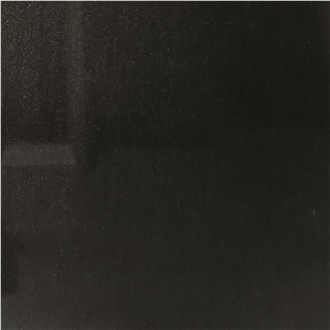
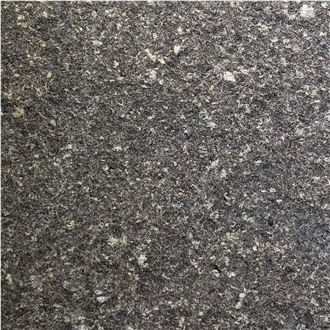
Lava di Etna is a distinct and visually striking volcanic stone, characterized by its dark grey or blackish coloration. Formed through the gradual solidification of volcanic lava flows, this magmatic porous stone is quarried in Etna, Provincia di Catania, Sicilia, Italy.

The dark grey to blackish hues of Lava di Etna create a dramatic and bold appearance, reflecting the intense and dynamic geological processes that gave rise to this stone. The porous nature of the material adds to its unique texture, providing depth and visual interest to its surface.

Due to its volcanic origin and specific quarry location in Etna, Sicily, Lava di Etna embodies a sense of authenticity and regional character. The slow cooling process of the lava flows contributes to the stone's distinctive appearance, and the resulting porosity may offer additional textural nuances.

Commonly used in both interior and exterior applications, Lava di Etna is employed for purposes such as wall cladding, flooring, and decorative elements. Its dark coloration and unique texture make it a sought-after choice for those seeking a bold and natural aesthetic in their architectural and design projects.

CHARACTERISTICS OF THE  Lava di Etna
MEDIUM VALUE MASS OF APPARENT VOLUME 2,863 Kg/m3
INHIBITION COEFFICIENT 0.79%
SINGLE-LEVEL COMPRESSION LOAD 179 MPa
COMPRESSION BREAKAGE LOAD AFTER GELIVENESS 185 MPa
TANGENT ELASTIC MODULE 32150 Mpa
SECOND ELASTIC MODULE 22450 Mpa
INDIRECT DRIVE BREAKAGE LOADING BY 15.4 Mpa
WEAR FOR ATTRITORADENT: 3.27 mm TRIBOMETER ABRASION COEFFICIENT
IMPACT BREAKAGE TEST: MINIMUM HEIGHT OF FALL 60 cm
LINEAR THERMAL EXPANSION COEFFICIENT 6.9 x 10 x ° C
MICRODURITY KNOOP 3564MPa BASALO PETROGRAPHIC DEFINITION

FAQ

Can Italy's Lava di Etna Basalt be used in a bathroom?

Yes, Italys Lava di Etna Basalt can be used in a bathroom. It is a volcanic rock that is commonly used as a natural stone for various applications, including flooring, countertops, and wall cladding. Its durability and resistance to moisture make it suitable for use in bathrooms, as it can withstand the humidity and potential water exposure in the space. Additionally, the unique texture and color variations of Lava di Etna Basalt can add a distinctive and elegant look to the bathroom.

Can Italy's Lava di Etna Basalt be used exterior applications in very dusty climates?

Yes, Italys Lava di Etna Basalt can be used for exterior applications in very dusty climates. Basalt is known for its durability and resistance to weathering, making it suitable for outdoor use. The specific Lava di Etna Basalt from Italy is particularly known for its high-quality and unique appearance, making it an excellent choice for various exterior applications. Additionally, basalts natural composition and texture make it less prone to accumulating dust and dirt, making it suitable for dusty climates.

How thick is Italy's Lava di Etna Basalt slabs?

The thickness of Italys Lava di Etna Basalt slabs can vary depending on the specific use and purpose. Typically, these slabs are available in thicknesses ranging from 2 centimeters (0.787 inches) to 10 centimeters (3.937 inches) or more. However, it is important to note that custom thicknesses may also be available upon request.

Can Italy's Lava di Etna Basalt be used in landscaping?

Yes, Italys Etna Basalt can be used in landscaping. Etna Basalt is a volcanic rock with characteristic dark colors and a fine-grained texture. It is prized for its durability, making it suitable for various landscaping applications. It can be used for paving stones, walkways, driveways, retaining walls, and even as decorative rock in gardens and landscapes. The natural beauty of the lava rock can add a unique aesthetic appeal to any outdoor space.

Are there color variations of Italy's Lava di Etna Basalt?

Yes, Italys Lava di Etna Basalt can have color variations. The color of the basalt can range from dark grey to black, with variations in shades and patterns. Some specimens may also have hints of brown, red, or blue tones due to the presence of other minerals or oxidation processes. The specific color variations can depend on the specific area of Etna volcano where the lava flow originated and the geological conditions involved.

Is Italy's Lava di Etna Basalt an expensive stone?

I do not have access to the current market prices of Lava di Etna Basalt, but in general, the price of a stone depends on various factors such as its rarity, availability, quality, and demand. However, Lava di Etna Basalt is known to be a high-quality volcanic rock used mainly for construction purposes, including flooring, walls, and countertops. Therefore, it is typically on the higher end of the price spectrum.

Customer reviews

Customer reviews

Write a Review
Mas**** United Kingdom

Hi Is it possible to get a datasheet of this stone?

Helpful (0) 0Reply
Mas**** United Kingdom

Hi Is it possible to get a data sheet

Helpful (0) 0Reply

Products & Prices

View More

Hot Black Basalt

New Basalt

Post Your Request

The request includes:
  1. surface finished, size
  2. quantity required