Post Your Needs

Lowe Stone Limestone

Limestone

Spain

About

Item Details

Material Type:
Limestone
Origin:
Spain
Recommended Usage:
Kitchen and bathroom countertops, wash basins, building stone, ornamental stone, stairs, interior, exterior wall and floor applications, mosaic, waterjet pattern, wall panels, table tops, balustrades, columns, wall and pool copings, pool pavers, sculptures, fireplaces, window sills
Additional Names:
Lowe Stone, Lowe Limestone, Lowe Beige Limestone, Lowe Cream Limestone, in China stone market:罗威石(Luōwēi Shí), Lowe Stone Limestone
Finished Surface:
Polished,Bush Hammered,Tumbled,Brushed,Honed,Split,Machine Cut,Natural Surface,Sandblasted,Acid Washing,Combed,Leathered,Water Jet,Filled,Chiseled,Pickling

Testing

Water Absorption:
2.0 – 3.5 % by weight
Density:
2300 – 2400 kg/m³
Flexural Strength:
7 – 12 MPa
Compressive Strength:
65 – 85 MPa

Description

Lowe Stone Limestone is a natural limestone quarried in Spain, valued for its warm, earthy appearance and authentic Mediterranean character. Its understated elegance and reliable performance make it a versatile choice for both residential and commercial architectural applications.

Appearance, Texture & Pattern

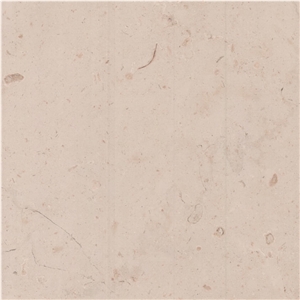
Lowe Stone Limestone features a light, warm beige to sandy base color with a soft, natural earth tone. The surface has a fine-grained, matte texture, giving it a smooth yet natural feel. Subtle darker inclusions and micro-fossils in shades of taupe and grey are gently dispersed across the stone. These organic details create a non-uniform, natural pattern that enhances the rustic, timeless limestone aesthetic without appearing busy or overpowering.

Physical & Mechanical Properties (Typical Values)

  • Bulk Density: approx. 2,300 – 2,400 kg/m³
  • Water Absorption: 2.0 – 3.5 % (by weight)
  • Compressive Strength: 65 – 85 MPa
  • Flexural Strength: 7 – 12 MPa
  • Abrasion Resistance: Suitable for light to medium traffic areas
  • Hardness Mohs Hardness: approx. 3

Chemical Composition (Approx. % by Weight)

  • Calcium Carbonate (CaCO₃): 93 – 97%
  • Magnesium Carbonate (MgCO₃): 1 – 3%
  • Silica (SiO₂): 1 – 2%
  • Iron Oxides & Trace Minerals: <1%

Mineral Composition (Approx. % by Weight)

  • Calcite: 85 – 92%
  • Dolomite: 5 – 8%
  • Quartz: 1 – 3%
  • Clay Minerals & Fossil Remnants: trace

Applications

  • Interior flooring
  • Wall cladding (interior & sheltered exterior)
  • Bathroom walls and floors
  • Feature walls and fireplaces
  • Staircases and steps
  • Architectural and decorative stonework

Maintenance

  • Clean with pH-neutral stone cleaners only
  • Avoid acidic, alkaline, or abrasive products
  • Sealing recommended for floors and wet areas
  • Regular dry or damp mopping to maintain surface appearance

FAQ

What is the best way to clean Lowe Stone Limestone floor tiles?

Cleaning Lowe Stone limestone floor tiles requires a gentle approach to prevent scratching or damaging the natural stone. Here’s a step-by-step guide to effectively clean your limestone floor tiles: 1. **Regular Dusting or Sweeping**: Use a soft-bristle broom or a microfiber dust mop to regularly sweep the floor. This helps remove dirt and debris that can scratch the surface. 2. **Vacuum with Care**: If you prefer vacuuming, ensure it has a setting suitable for hard floors to avoid scratches. Avoid using a beater bar or brush. 3. **Gentle Cleaning Solution**: Mix a pH-neutral cleaner specifically formulated for stone floors with warm water. Avoid acidic or alkaline cleaners, such as vinegar or bleach, which can etch the limestone. 4. **Mop the Floor**: Use a damp (not wet) microfiber mop or soft cloth to clean the floor. Ensure that you do not saturate the stone with water, as limestone is porous and can absorb liquid, leading to stains or damage. 5. **Spot Clean Stains Immediately**: If there are spills or stains, clean them up immediately using the stone cleaner and a soft cloth, blotting rather than rubbing to avoid spreading the stain. 6. **Rinse if Necessary**: If a significant amount of cleaner is used, rinse the floor with clean, warm water to remove any residue, ensuring you leave the tile only slightly damp. 7. **Dry the Floor**: Use a dry microfiber cloth or towel to ensure the floor is completely dry. This step helps prevent water spots. 8. **Seal the Limestone**: Regularly apply a high-quality stone sealer to protect the tiles from stains and moisture. Follow the manufacturers instructions for application frequency. 9. **Avoid Abrasives and Harsh Chemicals**: Never use scrub pads, steel wool, or abrasive cleaners on limestone as these can scratch and dull the surface. 10. **Preventive Maintenance**: Use mats at entrances to catch dirt and grit and ensure you have felt pads under furniture to prevent scratching when moved. By following these steps, you can maintain the appearance and longevity of your Lowe Stone limestone floor tiles.

Does water permanently stain Lowe Stone Limestone kitchen countertops?

Lowe Stone Limestone is a natural stone that is quite porous, which means it can absorb liquids quickly, potentially leading to staining. Although water itself is not likely to cause permanent stains, it can leave temporary marks or etching, especially if the countertops are not properly sealed or maintained. To protect your limestone countertops, you should: 1. **Seal the Surface**: Regularly apply a high-quality stone sealer to prevent liquids from penetrating the surface. 2. **Clean Spills Promptly**: Wipe up any spills immediately to reduce the chance of staining. 3. **Use Mild Cleaners**: Avoid acidic or harsh cleaners that can damage the limestone. Opt for pH-neutral cleansers instead. 4. **Preventative Measures**: Use coasters, placemats, or trivets under glasses and hot pots to reduce the risk of spills and damage. If you do notice water marks, they might disappear as the moisture evaporates, but if persistent, gentle cleaning with a suitable stone cleaner or polishing powder designed for limestone may help. If the marks remain, you might need to consult a professional stone restoration service.

Is Lowe Stone Limestone good for kitchen countertops?

Lowe Stone Limestone can be used for kitchen countertops, but there are several factors to consider before making a decision. Limestone is a natural stone that offers a range of aesthetic and functional benefits, but it also has some drawbacks that are important to weigh: ### Pros: 1. **Aesthetic Appeal**: Limestone offers a warm, natural look with a range of colors and patterns, which can complement many kitchen designs. 2. **Unique Appearance**: Each slab of limestone is unique, giving your countertop a distinct appearance. 3. **Smooth Surface**: Limestone has a soft, velvety texture, which can be visually appealing. ### Cons: 1. **Porosity**: Limestone is quite porous, meaning it can absorb liquids and stains more easily than some other countertop materials like granite or quartz. 2. **Susceptibility to Scratches and Etching**: Limestone is softer than other stones, making it more prone to scratches and etching, especially from acidic substances like lemon juice or vinegar. 3. **Maintenance**: Limestone countertops require regular sealing to protect against stains and damage. This means more maintenance compared to other materials. 4. **Durability**: Because of its softness, limestone may not be as durable as harder materials like granite or engineered quartz, especially in high-traffic areas. ### Considerations: - **Sealing**: Regular sealing can help mitigate some of the cons associated with its porosity. - **Maintenance**: Be prepared for more frequent cleaning and potential repairs compared to more durable materials. - **Usage**: If your kitchen is heavily used, limestone might not be the best option due to its susceptibility to scratches and stains. Ultimately, if you value the aesthetic qualities of limestone and are prepared to maintain it properly, it can serve as a beautiful choice for a kitchen countertop. However, for a highly functional and low-maintenance kitchen, you might consider alternatives that are more resilient to daily wear and tear.

What is the typical thickness of Lowe Stone Limestone kitchen countertop?

The typical thickness for a limestone kitchen countertop, including those made from Lowe Stone, is generally between 1.25 inches (about 3 cm) to 2 inches (about 5 cm). This thickness provides a good balance of durability and aesthetics. However, specific thickness can vary based on the supplier or custom requirements, so its always best to check with the manufacturer or retailer for precise measurements.

Can Lowe Stone Limestone tiles be used for high - traffic internal commercial flooring?

Lowe Stone Limestone tiles can potentially be used for high-traffic internal commercial flooring, but several factors should be considered before making a decision: 1. **Durability**: Limestone is generally softer and more porous compared to other natural stones like granite or slate. Although some limestone tiles are specifically enhanced for strength, typical limestone may scratch or show wear more easily in high-traffic areas. 2. **Finish**: The finish of the limestone can impact its suitability for high-traffic areas. A honed or polished finish might become slippery when wet, while a textured finish can offer more grip and wear better over time. 3. **Sealing**: Limestone is porous and often needs to be sealed to prevent stains and water damage. In a high-traffic commercial setting, regular maintenance including resealing will be necessary to ensure longevity. 4. **Maintenance**: High-traffic areas typically require more frequent cleaning and maintenance. The ease of maintenance for limestone should be assessed, as it might require specialized cleaning products. 5. **Appearance and Style**: While limestone can provide an appealing aesthetic, its important to consider if the style fits the commercial setting and anticipated wear. Before proceeding, its advisable to consult with a flooring specialist or architect to discuss the specific requirements of your project and to ensure that the choice of tile will meet your durability and maintenance needs.

How to remove scratches from Lowe Stone Limestone floor tiles?

Removing scratches from Lowe Stone limestone floor tiles requires some care to avoid further damaging the stone. Heres a step-by-step guide to help you address minor scratches: 1. **Clean the Area**: Start by cleaning the scratched area with a pH-neutral stone cleaner and a soft cloth. This removes any surface dirt or debris that could cause additional scratches during the repair process. 2. **Assess the Scratch**: Determine the depth of the scratch. Light surface scratches can usually be addressed with polishing, while deeper scratches might require more involved repair techniques. 3. **Polish Surface Scratches**: - Use a fine-grade limestone polishing powder or a dedicated stone polish designed for limestone. Apply the polish with a soft, damp cloth, and gently buff the scratched area in a circular motion. - If needed, use a hand-held polisher with a soft pad or a buffing attachment. Start with a low speed to avoid generating too much heat, which can damage the stone. 4. **Repair Deeper Scratches**: - For deeper scratches, consider using a fine-grit sandpaper or diamond pad (such as 400 to 600 grit). Gently sand the scratched area in a circular motion. Be cautious to avoid sanding too hard, as limestone is a soft stone. - After sanding, clean the area again to remove any residue. 5. **Re-polish the Area**: Once the scratch is less visible, apply the polishing powder again to restore the shine. Buff the area until the surface blends with the surrounding tile. 6. **Seal the Stone**: If your limestone tiles are unsealed, consider sealing them after the repair. Sealing protects the surface and can help prevent future scratches. Use a stone sealer appropriate for limestone and follow the manufacturers instructions for application. 7. **Professional Help**: If the scratches are extensive or youre unsure about the repair, consult a professional stone restoration service. They have the tools and expertise to refurbish your limestone tiles without risk. Routine maintenance and care can prevent future scratches. Use felt pads on furniture, avoid dragging heavy objects across the floor, and regularly clean the tiles using appropriate products.

Products & Prices

Hot Limestone

New Limestone

Post Your Request

The request includes:
  1. surface finished, size
  2. quantity required