Post Your Needs

Lucentum Limestone

Limestone

Portugal

About

Item Details

Material Type:
Limestone
Origin:
Portugal (Pé Da Pedreira, Santarem, Alcanede- Porto de Mos, Leiria)
Recommended Usage:
kitchen and bathroom countertops, wash basins, building stone, ornamental stone, stairs, interior, exterior wall and floor applications, mosaic, waterjet pattern, wall panels, table tops, balustrades, columns, wall and pool copings, pool pavers, sculptures, fireplaces, window sills
Additional Names:
Lucentum Cream Limestone, Lucentum Beige Limestone, Lucentum Fina Limestone, Calcário de Lucentum, Moca Cream Fine Grain Limestone
Finished Surface:
Polished,Bush Hammered,Tumbled,Brushed,Honed,Split,Machine Cut,Natural Surface,Sandblasted,Acid Washing,Combed,Leathered,Water Jet,Filled,Chiseled,Pickling

Testing

Water Absorption:
2.34 %
Density:
2515 kg/m³
Flexural Strength:
19.2 MPa
Compressive Strength:
85.1 - 91.0 MPa

Description

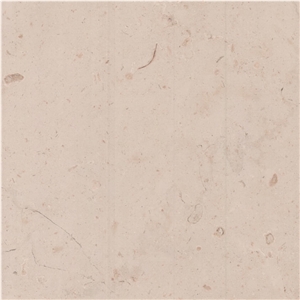
Lucentum Limestone is a refined Portuguese natural stone characterized by a soft white to light grey background with a fine-grained structure and a warm cream base tone, often shifting subtly between pale beige and light honey hues. Its overall appearance is calm, neutral, and elegant, featuring a consistent visual field with occasional faint veining, light speckling, or delicate tonal variations in grey, taupe, and soft golden-brown shades. These natural variations are gentle and never dominant, preserving a harmonious and cohesive aesthetic suitable for architectural applications where uniformity and subtle natural character are desired.

Texture & Pattern

Lucentum Limestone has a fine-grained, compact sedimentary structure with a homogeneous calcitic matrix. The texture is smooth and consistent, occasionally showing microfossil traces and subtle mineral dispersions. Patterning is generally minimal, with light natural streaking or faint irregular flecks that enhance its organic identity without disrupting visual continuity.

Physical & Mechanical Test Results

  • Compression Breaking Load: 927 kg/cm²
  • Compression Breaking Load (after freeze-thaw): 867 kg/cm²
  • Flexural Strength: 196 kg/cm²
  • Volumetric Weight (Density): 2515 kg/m³
  • Water Absorption (N.P. conditions): 2.34%
  • Apparent Porosity: 5.90%
  • Thermal Linear Expansion Coefficient: 5.3 × 10⁻⁶ /°C
  • Abrasion Resistance: 4.0 mm
  • Impact Resistance: minimum fall height 40 cm

Chemical Composition (% by weight)

  • SiO₂: 0.07%
  • Al₂O₃: 0.54%
  • Fe₂O₃ (total): 0.06%
  • MnO: 0.00%
  • CaO: 55.86%
  • MgO: 0.10%
  • Na₂O: 0.06%
  • K₂O: 0.07%
  • TiO₂: 0.00%
  • P.R. (Loss on Ignition): 43.60%
  • CO₂: 43.95%

Mineral Composition (Typical)

  • Calcite (CaCO₃): dominant mineral phase
  • Dolomite: minor presence
  • Clay minerals: trace amounts
  • Quartz: very low content
  • Accessory minerals (iron compounds): trace, responsible for subtle tonal variations

Hardness Mohs

  • Hardness: ~3–4
  • Moderate hardness typical of compact limestones
  • Good machinability and cutting precision
  • Suitable for detailed architectural fabrication

Usage

Lucentum Limestone is widely used in:

  • Interior flooring and wall cladding
  • Exterior façades and ventilated façades
  • Staircases and architectural detailing
  • Bathroom and spa environments
  • Commercial and residential buildings
  • Urban landscaping and public architecture

Maintenance

  • Clean with pH-neutral stone cleaning products only
  • Avoid acidic or abrasive cleaners
  • Apply protective impregnating sealer regularly
  • Prompt removal of spills recommended
  • Routine maintenance preserves natural tone and durability

Surface Finish Options

  • Polished (smooth reflective finish)
  • Honed (matte and elegant surface)
  • Brushed (soft textured finish)
  • Sandblasted (anti-slip and natural texture)
  • Leathered (subtle tactile depth)
  • Machine-cut (precise architectural applications)

FAQ

Can I use bleach when cleaning a Lucentum Limestone kitchen countertop?

Using bleach on a Lucentum Limestone kitchen countertop is not recommended. Limestone is a natural stone that is porous and can be sensitive to acidic and harsh cleaning agents such as bleach. Using bleach can lead to discoloration, etching, and damage to the surface of the stone. To clean a Lucentum Limestone countertop, its best to use a pH-neutral cleaner specifically designed for natural stone. Alternatively, you can use a mild dish soap diluted in water. Always use a soft cloth or sponge to avoid scratching the surface. After cleaning, be sure to rinse the countertop thoroughly with water and dry it with a soft cloth to prevent water spots or streaks. Additionally, its essential to regularly seal limestone countertops to protect them from stains and damage. If youre unsure about how to care for your specific countertop, its a good idea to consult with the manufacturer or a professional stone care expert.
Read question details

If I cut meat directly on my Lucentum Limestone kitchen countertop, will it damage the surface?

Cutting meat directly on a Lucentum Limestone countertop is not recommended, as it could potentially damage the surface. Limestone is a relatively soft and porous natural stone, which makes it susceptible to scratches and staining. Using a cutting board is advisable to protect your countertop from scratches, knife marks, and potential staining from raw meat juices. Additionally, its more hygienic to use a cutting board, as it can be cleaned and sanitized more efficiently than the porous surface of limestone.
Read question details

How can I clean the grout of Lucentum Limestone wall tiles?

Cleaning the grout on Lucentum Limestone wall tiles requires care to avoid damaging the stone. Follow these steps: 1. **Prepare the Area**: Clear any objects around your tiles and use a drop cloth to protect surfaces below. 2. **Vacuum or Dust**: Remove dust or loose debris from the grout and tiles using a vacuum with a brush attachment. 3. **Use a Gentle Cleaner**: Choose a pH-neutral cleaner specifically designed for natural stone. Avoid acidic or alkaline cleaners, as they can damage limestone. 4. **Mix the Cleaning Solution**: Dilute the cleaner according to the manufacturers instructions. Usually, you mix it with water. 5. **Apply the Cleaner**: Use a soft-bristled brush or a non-abrasive sponge to apply the solution to the grout lines. Avoid using metal brushes or rough pads, as they can scratch the stone. 6. **Gently Scrub**: Work the cleaner into the grout with gentle circular motions. Let it sit for a few minutes to break down dirt but do not let it dry completely. 7. **Rinse**: Use a clean, damp cloth or sponge to wipe away the cleaner. You may need to rinse a few times to ensure all the solution and loosened dirt are removed. 8. **Dry the Tiles**: Use a soft towel to dry the tiles and the grout. This will help prevent water spots and streaks. 9. **Seal the Grout**: If the grout is unsealed, consider applying a grout sealer compatible with natural stone to protect it from future staining. Follow the sealer’s instructions for best results. 10. **Regular Maintenance**: Regularly dust and wipe down the tiles and grout to prevent build-up. If you encounter stubborn stains or mildew, you may need to consult with a professional cleaner specializing in natural stone to ensure the tiles and grout are not damaged in the process.
Read question details

Can Lucentum Limestone be used for street kerbstones?

Lucentum Limestone could potentially be used for street kerbstones, but there are several factors to consider before making a decision: 1. **Durability**: The limestone must be able to withstand the wear and tear of traffic, weather, and other environmental factors. It should have high compressive strength and resistance to abrasion. 2. **Weather Resistance**: The material should be capable of withstanding freeze-thaw cycles, if relevant to the area where it will be used, as well as resistance to acids, salts, or other chemicals commonly found on streets. 3. **Slip Resistance**: Limestone can sometimes be slippery when wet. The surface texture should be addressed to ensure safety for both pedestrians and vehicles. 4. **Availability and Cost**: Considerations about the cost of obtaining and processing the stone, as well as the environmental impact of quarrying and transporting it, should be made. 5. **Aesthetic**: If the aesthetic appearance is a consideration, then the color, texture, and finish of Lucentum Limestone might be evaluated to determine if it fits with the design requirements. 6. **Maintenance**: Assess how frequently the stone would require maintenance and whether it can be cleaned easily in case of pollution or dirt accumulation. If Lucentum Limestone meets the necessary requirements in these areas, it could be a suitable choice for street kerbstones. However, it’s always a good idea to consult with engineers or architects specializing in materials and urban infrastructure for a professional assessment.
Read question details

Can Lucentum Limestone be used for kitchen countertop?

Lucentum Limestone can technically be used for kitchen countertops, but its important to consider several factors before making this decision. Limestone is a natural stone, similar to marble, and it has its own set of characteristics: 1. **Porosity**: Limestone is often more porous than other stones like granite or quartz. This makes it more susceptible to staining from wine, coffee, oils, and other common kitchen substances. Regular sealing can help mitigate this issue, but may require more frequent maintenance compared to other materials. 2. **Durability**: While limestone is relatively hard, its not as durable as granite. It can be prone to scratching, chipping, and cracking, especially in a high-traffic area like a kitchen. 3. **Acid Sensitivity**: Like marble, limestone can react with acidic substances such as lemon juice, vinegar, or tomato sauce, potentially leaving etch marks or dull spots on the surface. 4. **Aesthetic Appeal**: Lucentum Limestone has a unique and attractive appearance, which can add a natural and elegant look to a kitchen. Its neutral tones can match various interior designs. 5. **Cost**: Limestone can be more affordable than some high-end countertop materials, but considering the potential maintenance and durability issues, the initial savings may be offset over time. If you decide to use Lucentum Limestone for a kitchen countertop, ensure that it is properly and regularly sealed, be cautious with acidic and staining substances, and consider the level of maintenance you are willing to commit to. For a lower-maintenance option, you might also consider using it in areas of the kitchen with less wear and tear, or as a complementary feature alongside more durable materials.
Read question details

How can I repair the scratched surface of the Lucentum Limestone steps?

Repairing scratched Lucentum Limestone steps involves a few careful steps. Here’s a guide to help you restore their appearance: 1. **Clean the Surface**: Begin by thoroughly cleaning the area to remove any dirt or debris. Use a pH-neutral stone cleaner with a soft cloth or sponge to avoid causing further damage. Rinse with clean water and let it dry completely. 2. **Assess the Damage**: Determine the depth and severity of the scratches. Light scratches can often be treated with just polishing, while deeper ones might require more extensive repair. 3. **Buffing and Polishing**: - For light scratches, use a fine-grit sandpaper (400-grit or higher) or a buffing pad. Gently sand the scratched area in a circular motion. - If you use sandpaper, gradually increase to a finer grit (600, 800, 1000) to ensure a smooth finish. - Follow up with a stone polishing compound. Apply it with a soft cloth or a buffer pad, again using circular motions. This should help to restore the surface’s shine. 4. **Filling Deep Scratches**: - If scratches are deep, you may need to fill them with an epoxy or resin that matches the color of the limestone. Mix according to the instructions and apply it with a putty knife, carefully filling in the scratch. - Once it dries, sand the area smooth and polish as described above. 5. **Seal the Surface**: After repairing and polishing, apply a stone sealer to protect the surface from future damage. Choose a sealer recommended for limestone and follow the manufacturer’s instructions. 6. **Regular Maintenance**: To keep the limestone in good shape, place mats at entry points to minimize dirt and grit contact, and clean regularly with a pH-neutral cleaner. Always test products on an inconspicuous spot first to ensure that they do not cause discoloration or damage. If you are not comfortable performing these repairs yourself, or if the damage is extensive, consider consulting a professional stone restoration specialist.
Read question details

Products & Prices

Hot Limestone

New Limestone

Post Your Request

The request includes:
  1. surface finished, size
  2. quantity required