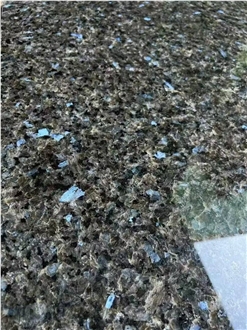
Lundhs Blue Granite

About
Item Details
- Material Type:
- Granite
- Origin:
Norway (Bjørndalen quarry, located in Larvik) - Primary Color(s):
- Blue
- Recommended Usage:
- kitchen and bathroom countertop, wash basins, building stone, ornamental stone, stairs, interior, exterior wall and floor applications, mosaic, water-jet pattern, wall panels, table tops, balustrades, columns, wall and pool copings, pool pavers, fireplaces, window sills
- Additional Names:
- Lundhs Royal Blue Granite, Blue Pearl Granite, Blue Pearl GT Granite, Blue Pearl NC Granite, Blue Pearl Bjorndalen Granite, Blue Pearl Tvedalen Granite, Lundhs Blue GT Granite, in China stone market:伦思蓝(蓝珍珠)(Lún Sī Lán (Lán Zhēn Zhū)), Lundhs Blue Granite
- Finished Surface:
- Polished,Bush Hammered,Tumbled,Brushed,Honed,Split,Machine Cut,Natural Surface,Sandblasted,Combed,Leathered,Water Jet,Chiseled,Pickling
Testing
- Water Absorption:
- 0.04 % weight
- Density:
- 2730 kg/m3
- Flexural Strength:
- 14.1 - 14.8 MPa
- Compressive Strength:
- 231 MPa
- Stone texture:
- a deep blue base saturated with intense blue crystals, premium, ultra-durable natural stone quarried exclusively in the Tvedalen region of Larvik, Norway. While traded globally as a granite due to its extreme hardness and durability, it is petrologically classified as Larvikite (a coarse-grained monzonite). Technical Properties Standard Mean Valuesstone name: ns-en 12407 monzonite (larvikite)structure: coarse grainedtexture: oriented feldspar crystals with lustrecompressive strength: ns-en 1926 231 mpaflexural strength: ns-en 12372 14.8 mpaflexural strength: ns-en 12371 14.1 mpa(after 48 frost cycles)abrasion resistance, b?hme: din 52 1081 6.7 cm3/ 50 cm2abrasion resistance, b?hme: ns-en 14157 (b)2 7102 mm3abrasion resistance, wide wheel: ns-en 14157 (a)3 16.0 mmwater absorption: ns-en 13755 0.04% weightapparent density: ns-en 1936 2730 kg/m3open porosity: ns-en 1936 0.1%breaking load at dowel holes: ns-en 13364 3700 nslip resistance: ns-en 14231 49 srv (dry)(honed surface) 6 srv (wet)rupture energy, thickness 30 mm: ns-en 14158 2.7 jresistance to ageingby thermal shock: ns-en 14066 no visual changes. no weight losspetrographic composition: ns-en 12407 feldspar 80% pyroxene 5% olivine 4% amphibole 4% nepheline 3% magnetite 2% apatite 1% biotite 1%
Description
Lundhs Blue Granite, commonly referred to as Larvikite due to its petrological classification, is a stunning natural stone known for its deep blue base and vibrant blue crystals. This premium stone is quarried exclusively in the Tvedalen region of Larvik, Norway. Although traded globally as granite, it is technically a coarse-grained monzonite, praised for its exceptional hardness and durability.
Physical and Mechanical Properties
- Water Absorption: 0.04% by weight (NS-EN 13755)
- Density: 2730 kg/m³ (NS-EN 1936)
- Flexural Strength:
- Initial: 14.8 MPa (NS-EN 12372)
- After 48 frost cycles: 14.1 MPa (NS-EN 12371)
- Compressive Strength: 231 MPa (NS-EN 1926)
- Abrasion Resistance:
- Böhme: 6.7 cm³/50 cm² (DIN 52 1081)
- Böhme (NS-EN 14157 (B)2): 7102 mm³
- Wide Wheel (NS-EN 14157 (A)3): 16.0 mm
- Slip Resistance:
- Dry (honed surface): 49 SRV
- Wet: 6 SRV (NS-EN 14231)
- Porosity: 0.1% (NS-EN 1936)
- Breaking Load at Dowel Holes: 3700 N (NS-EN 13364)
- Rupture Energy (thickness 30 mm): 2.7 J (NS-EN 14158)
- Resistance to Ageing by Thermal Shock: No visual changes or weight loss (NS-EN 14066)
Chemical and Mineral Composition
- Feldspar: 80%
- Pyroxene: 5%
- Olivine: 4%
- Amphibole: 4%
- Nepheline: 3%
- Magnetite: 2%
- Apatite: 1%
- Biotite: 1%
Usage and Applications
- Interior Uses: Countertops, flooring, wall cladding, staircases, and vanity tops.
- Exterior Uses: Façades, paving, and outdoor countertops.
- Decorative Uses: Sculptures, monuments, and customized design elements.
Maintenance
- Regular cleaning with mild soap and water.
- Avoid harsh chemicals that might damage the surface.
- Periodic sealing to maintain the stone's appearance and resistance to stains.
Surface Finishes
- Polished: Enhances the stone’s natural luster and color.
- Honed: Provides a smooth, matte finish.
- Brushed/Antiqued: Adds texture while maintaining elegance.
- Flamed: Rougher surface for enhanced slip resistance in outdoor applications.
Lundhs Blue Granite is a versatile, high-quality stone ready to add elegance and durability to any architectural or design project. Its unique blue hues and resilience make it a favored choice for both residential and commercial applications.
FAQ
Professionals typically use a high-quality stone sealer specifically designed for granite to seal Lundhs Blue Granite. Some common brands recommended by professionals include Miracle Sealants, Aqua Mix, and StoneTech. It is important to follow the manufacturers instructions and guidelines for application and reapplication of the sealer to maintain the longevity and quality of the granite countertop.
How often should Lundhs Blue Granite stairs be resealed?
Lundhs Blue Granite stairs should be resealed every 2 to 3 years for optimal performance and protection. However, the frequency of resealing may vary depending on the amount of foot traffic and wear they endure. It is recommended to monitor the condition of the stairs regularly and reseal them as needed to maintain their appearance and durability.
Will sealing Lundhs Blue Granite make it shiny again?
Sealing Lundhs Blue Granite will not make it shiny again. Sealing only helps to protect the surface of the granite from stains and moisture damage. If you want to restore the shine of Lundhs Blue Granite, youll need to use specific stone polishing products or techniques designed for granite.
Will baking soda scratch Lundhs Blue Granite countertop?
Baking soda is a gentle abrasive and should not typically cause scratches on a Lundhs Blue Granite countertop. However, it is always recommended to perform a patch test on a small, inconspicuous area of the countertop before using baking soda in larger quantities to ensure there are no adverse effects.
Can Lundhs Blue Granite countertops be permanently sealed?
Lundhs Blue Granite countertops can be permanently sealed, as with any other type of granite countertops. The granite can be sealed using a high-quality granite sealer that penetrates the stone and forms a protective barrier. It is important to follow the instructions provided by the manufacturer of the sealer and reapply the sealer periodically to maintain its effectiveness. Additionally, it is recommended to clean up any spills promptly and avoid using harsh chemicals or abrasive cleaners that can damage the sealant.
Should I polish or seal Lundhs Blue Granite floor?
It is generally recommended to seal a granite floor, including Lundhs Blue Granite, to protect it from stains, scratches, and other types of damage. Sealing the floor helps to keep it looking its best and prolong its lifespan. Polishing the granite floor is a personal preference and not necessary for maintenance, but it can enhance the shine and beauty of the stone. If you choose to polish the floor, make sure to select a granite-specific polishing product and follow the manufacturers instructions carefully.
How do I clean Lundhs Blue Granite without scratching it?
To clean Lundhs Blue Granite without scratching it, follow these steps:
1. Start by removing loose dirt and debris from the surface using a soft-bristle brush or a microfiber cloth. Avoid using abrasive materials or scrub brushes that may scratch the surface.
2. Mix a mild cleaning solution by diluting a few drops of a pH-neutral stone cleaner with warm water. Avoid using acidic or abrasive cleaners, as they can damage the granite.
3. Dip a soft cloth or sponge into the cleaning solution and gently wipe the surface of the granite in a circular motion. Do not apply excessive pressure; let the cleaning solution do the work.
4. For stubborn stains or dried-on residue, you can use a non-abrasive nylon pad or a soft-bristle brush. Again, be gentle and avoid applying too much pressure.
5. Rinse the granite thoroughly with clean water to remove any remaining cleaning solution or residue. Ensure all the cleaning solution is completely removed, as leaving any residue behind can cause dull spots.
6. Dry the granite surface with a clean, lint-free cloth to prevent water spots or streaks. Ensure all moisture is removed to avoid any residue or marks.
7. For regular maintenance, use a granite-specific stone cleaner or warm water and a microfiber cloth to keep the surface clean. Wipe up spills promptly to prevent staining.
8. Protect the granite surface by regularly applying a granite sealer as per the product instructions. This will help prevent stains and maintain the shine and integrity of the stone.
Remember to always test any cleaning product on a small, inconspicuous area of the granite before using it widely to ensure it does not cause any adverse effects.
Can I put a hot pan on my Lundhs Blue Granite countertop?
Lundhs Blue Granite is known for its heat-resistant properties, making it suitable for placing hot pans directly on the countertop. However, it is still advisable to use caution and use trivets or heat-resistant pads to avoid potential damage to the surface of the countertop.
How do I fill scratches in Lundhs Blue Granite countertop?
To fill scratches in a Lundhs Blue Granite countertop, you can follow the steps below:
1. Clean the countertop: Start by cleaning the countertop surface using a mild dish soap and warm water. Use a soft cloth or sponge to gently remove any dirt, debris, or grime from the scratches.
2. Assess the depth of the scratches: Examine the scratches to determine their depth. If the scratches are shallow and superficial, they can often be repaired using simple methods. For deeper scratches, you may need to consult a professional for more advanced repair techniques.
3. Use a granite repair kit: Purchase a specialized granite repair kit from a local home improvement store or online. These kits usually contain an adhesive filler specifically designed for granite countertops.
4. Apply the filler: Follow the instructions provided with the repair kit to apply the filler to the scratches. Typically, you need to mix the adhesive filler with a hardener or catalyst. Apply the mixture to the scratch, using a spatula or putty knife.
5. Smooth the surface: After applying the filler to the scratches, use a different putty knife or a plastic card to level the adhesive filler with the countertop surface. Gently scrape off any excess filler and ensure a smooth finish. Let the filler dry completely as per the instructions provided with the kit.
6. Sand the repaired area: Once the filler has hardened, use fine-grit sandpaper to sand down the filled area until it is level with the surrounding countertop surface. Start with a higher grit sandpaper and gradually move to a finer grit for a smoother finish. Be cautious not to sand too aggressively, as it may damage the surrounding granite surface.
7. Polish the countertop: Use a granite polishing compound or sealer to restore the shine and luster of the countertop. Apply the polish according to the manufacturers instructions, usually with a soft cloth. Buff the surface gently to remove any remaining scratches or imperfections.
Remember, if you are unsure about the repair process or if the scratches are extensive, it is always best to contact a professional stone countertop fabricator or installer for guidance or assistance.
Will Lundhs Blue Granite sealer hide scratches?
No, Lundhs Blue Granite sealer will not hide scratches on the surface of the granite. The primary purpose of a granite sealer is to act as a protective layer against stains and moisture, not to mask or repair any existing scratches.


7YR