Post Your Needs

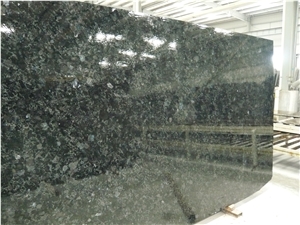
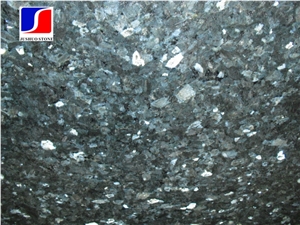
Lundhs Emerald Granite

Green - Granite

Norway

About

Item Details

Material Type:
Granite
Origin:
Norway (Klastad, Skallist, Tjølling, (10 km east of Larvik), Vestfold)
Primary Color(s):
Green
Recommended Usage:
kitchen and bathroom countertop, wash basins, building stone, ornamental stone, stairs, interior, exterior wall and floor applications, mosaic, water-jet pattern, wall panels, table tops, balustrades, columns, wall and pool copings, pool pavers, fireplaces, window sills
Additional Names:
Emerald Pearl Granite, Labrador Emerald Pearl Granite, Labrador Verde Granite, in China stone market:黑珍珠(Hēi zhēnzhū), 绿星(Lǜ xīng), Lundhs Emerald Granite
Finished Surface:
Polished,Bush Hammered,Tumbled,Brushed,Honed,Split,Machine Cut,Natural Surface,Sandblasted,Combed,Leathered,Water Jet,Chiseled,Pickling

Testing

Water Absorption:
0.18 - 0.33 By weight %
Density:
2700 kg/m³
Flexural Strength:
11.5 MPa
Compressive Strength:
185.0 MPa
Stone texture:
a deep black, charcoal, and dark forest-green background, Embedded within the dark matrix are clusterings of shimmering silver-blue and emerald-tinted crystals that catch the light like buried gems

Description

Lundhs Emerald Granite is a unique and exquisite natural stone, prized for its distinct coloration and shimmering crystal inclusions. Quarried in Norway, specifically in Klastad, Skallist, and Tjølling, about 10 km east of Larvik, this granite is renowned for its deep and captivating appearance.

Physical and Mechanical Properties:

  • Water Absorption: 0.18 - 0.33% by weight
  • Density: 2700 kg/m³
  • Flexural Strength: 11.5 MPa
  • Compressive Strength: 185.0 MPa
  • Hardness: Typically ranges around 6-7 on the Mohs scale
  • Porosity: Low, contributing to its durability and resistance to staining
  • Slip Resistance: High, especially when honed or flamed, making it suitable for flooring applications

Chemical Composition (% by weight):

  • Silica (SiO2): Approximately 70%
  • Alumina (Al2O3): Around 14%
  • Potassium Oxide (K2O): 4-5%
  • Sodium Oxide (Na2O): 3-4%
  • Iron Oxide (Fe2O3): Below 2%
  • Other Minerals: Trace amounts of magnesium, titanium, and calcium

Mineral Composition:

  • Feldspar: Predominantly orthoclase and microcline, which contribute to the stone's unique textures and colors
  • Quartz: Adding to hardness and light reflection
  • Micas: Small amounts of biotite and muscovite, contributing to the dark hues and shine

Usage:

Lundhs Emerald Granite is versatile and ideal for several applications:

  • Kitchen Countertops: Resistant to scratches and heat
  • Bathroom Vanities: Impervious to moisture
  • Flooring: Offers durability and aesthetics
  • Wall Cladding: Adds elegance and insulation
  • Exterior Applications: Suitable for facades and landscaping due to its strength and resistance to weathering

Maintenance:

  • Regular Cleaning: Use pH-neutral cleaners and avoid acidic or abrasive substances
  • Sealing: Periodically sealing the surface can enhance its stain resistance and longevity
  • Polishing: Retains its shine with occasional polishing, depending on the finish

Cutting Sizes:

Typically available in:

  • Slabs: Common thicknesses include 2cm and 3cm
  • Tiles: Can be custom cut, with standard sizes like 30x30, 60x30, and 60x60 cm

Common Surface Finish Options:

  • Polished: Highlights the stone's natural luminance and colors
  • Honed: Offers a matte appearance, reducing glare and slip risk
  • Flamed: Provides a rough texture, enhancing slip resistance
  • Brushed: Yields a smooth yet textured finish for a rustic look
  • Leathered: A popular modern finish that retains texture while softening the surface to the touch

Lundhs Emerald Granite is celebrated for both its aesthetic appeal and remarkable durability, making it a preferred choice for both residential and commercial applications. Its maintenance requirements are minimal, given its impressive resistance to wear and tear.

FAQ

How do I add lettering to a Lundhs Emerald Granite gravestone?

Adding lettering to a Lundhs Emerald Granite gravestone typically involves the following steps: 1. Choose the text: Decide on the wording, font, and size that you want to use for the lettering. Consider the deceased persons name, dates of birth and death, any epitaph or meaningful quotes, and other relevant information. 2. Tools and materials: Gather the necessary tools and materials, including a stencil or template for the lettering, a pen or pencil, masking or painters tape, a chisel or a drill with a diamond-tipped bit (depending on the depth of the lettering), a hammer or a mallet, and tracing or carbon paper. 3. Prepare the gravestone: Clean the gravestone surface using a soft brush and water to remove any dirt or debris. Ensure it is completely dry before proceeding. 4. Transfer the lettering: Place the stencil or template on the gravestone and align it to the desired location. Secure it using masking or painters tape. Alternatively, print out the text in the chosen font, size, and spacing on paper and transfer it using tracing or carbon paper. 5. Trace the letters: Using a pen or pencil, trace the outline of each letter onto the gravestone surface. Apply firm but even pressure to ensure clear and precise tracing. 6. Engrave the lettering: If the lettering is shallow, you can use a chisel and a hammer to carefully carve out each letter following the traced outlines. For deeper engraving, you may need to use a drill with a diamond-tipped bit. Take your time and work slowly to avoid any mistakes. 7. Clean the gravestone: Once the lettering is engraved, clean the gravestone again to remove any dust or debris resulting from the engraving process. Use a soft brush or cloth and water to clean the lettered area gently. 8. Final touches: Inspect the lettering to ensure it is clear and accurate. Make any necessary adjustments or touch-ups if required. Note: Its advisable to seek professional help or consult with experienced stone workers if you are unsure about completing this task yourself. They have the necessary expertise and tools to ensure a high-quality and long-lasting result.

What is the best lettering on a Lundhs Emerald Granite headstones?

The best lettering on a Lundhs Emerald Granite headstone would typically be a high-contrast design, using serif or bold sans-serif fonts. The lettering should be clear, legible, and easy to read from a distance. It is recommended to use gold, white or silver lettering colors on the Lundhs Emerald Granite as they provide a striking contrast against the dark green background of the stone. Ultimately, the choice of lettering style and color depends on personal preference and the desired aesthetic for the headstone.

What is the best font for a Lundhs Emerald Granite headstone?

When selecting a font for a Lundhs Emerald Granite headstone, its important to consider readability, durability, and the desired aesthetic. Here are a few popular fonts that work well for headstones: 1. Serif Fonts: - Times New Roman: A classic and traditional serif font that is highly legible and timeless. - Garamond: Elegant and refined, Garamond provides a more delicate and sophisticated look. - Baskerville: Known for its clear and easy-to-read letters, Baskerville works well for both long inscriptions and shorter epitaphs. 2. Sans-serif Fonts: - Arial: A clean and simple sans-serif font that offers good readability even from a distance. - Helvetica: Highly legible and versatile, Helvetica is widely used for its crisp and modern appearance. - Futura: Its geometric design and clean lines make Futura a popular choice for minimalist and contemporary headstones. Ultimately, the best font for a Lundhs Emerald Granite headstone depends on personal preference, the inscriptions length, and the desired style. Its important to consult with a professional stone engraver or headstone supplier to ensure that the chosen font will be well-suited for the material and endure the test of time.

Is Lundhs Emerald Granite good for a grave marker?

Lundhs Emerald Granite is a type of granite that is known for its beautiful green color and durability. Granite is a widely used material for grave markers due to its durability and ability to withstand harsh weather conditions. It is also a traditional choice for lasting memorials. If you like the color and appearance of Lundhs Emerald Granite, it can be a suitable option for a grave marker. However, it ultimately comes down to personal preference and any specific requirements or regulations set by the cemetery. It is recommended to consult with the cemetery or a memorial specialist to ensure that the granite you choose meets all the necessary criteria for a grave marker.

Can Lundhs Emerald Granite crack from cold?

Lundhs Emerald Granite is known for its durability, strength, and resistance to cracking. It is a natural stone formation that has undergone millions of years of pressure and heat. As a result, it is highly unlikely that Lundhs Emerald Granite will crack due to cold temperatures alone. However, extreme temperature changes or freezing and thawing cycles can potentially cause stress on any natural stone, including granite. It is always recommended to follow proper care and maintenance guidelines to minimize the risks and ensure the longevity of your granite countertops or surfaces.

Can heat cause Lundhs Emerald Granite fireplace to crack?

It is possible for heat to cause cracks in any type of granite, including Lundhs Emerald Granite. Granite is a natural stone that can expand and contract with extreme temperature changes. Consequently, if the fireplace is exposed to sudden and intense heat, it may cause the granite to crack. To minimize the risk of cracking, it is important to use the fireplace within the recommended temperature range and to avoid exposing it to rapid temperature changes. Additionally, regular maintenance and sealing of the granite can help to strengthen and protect it from potential damage.

What is the best tool to cut Lundhs Emerald Granite?

The best tool to cut Lundhs Emerald Granite would be a diamond blade with a high-speed angle grinder or a diamond wire saw. These tools are specifically designed to cut through hard materials such as granite and are commonly used in the stone fabrication industry. It is important to use diamond tools as they provide the necessary hardness and abrasiveness to efficiently cut through the dense structure of the Lundhs Emerald Granite without causing damage to the stone.

How can I drill through Lundhs Emerald Granite without cracking or breaking it?

Drilling through Lundhs Emerald Granite without cracking or breaking it requires careful handling and appropriate tools. Here are some steps you can follow to avoid damaging the granite: 1. Ensure you have the right drill bit: Use a diamond-tipped drill bit designed specifically for drilling granite or other hard stones. These bits are specifically designed to handle the hardness of the material. 2. Mark the exact drilling spot: Use a marker or masking tape to clearly mark the spot where you want to drill. This will help ensure accuracy and prevent any potential damage caused by drilling in the wrong spot. 3. Secure the granite: Place the granite on a stable and even surface, such as a workbench, and use clamps or a non-slip material to secure it firmly. This will prevent any movement or vibrations that could lead to cracking or breaking. 4. Determine the appropriate drill speed: Start with a slow drill speed and gradually increase it as you progress into the granite. This will reduce the risk of causing excessive heat or pressure that could crack the stone. If using a power drill, set it to a low speed, and if using a handheld manual drill, apply firm, consistent pressure while turning slowly. 5. Use lubrication: Applying water or a suitable coolant while drilling can help dissipate heat and reduce friction. This will help keep the drill bit and the granite cool throughout the drilling process. 6. Drill gently and steadily: Apply even pressure while drilling, and avoid using excessive force. Let the drill bit do the work, allowing it to gradually make progress into the granite without rushing or pushing too hard. 7. Take breaks and remove debris: As you drill, periodically pull the drill out to remove debris from the hole. This will ensure that the hole remains clear and prevent any buildup that could cause blockage or damage. 8. Patience is key: Take your time and be patient during the drilling process. Rushing or applying too much pressure can increase the likelihood of cracking or breaking the granite. Allow the drill bit to gradually penetrate the stone. Remember, drilling through granite requires expertise, so if you are not confident in your abilities, it is best to consult a professional or seek assistance from someone with experience in working with stone materials.

Will Lundhs Emerald Granite crack when drilled?

Lundhs Emerald Granite is a natural stone with unique physical properties, known for its durability and strength. While it is unlikely to crack when being drilled, it is always recommended to take proper precautions and use the correct tools and techniques when working with any type of stone to minimize the risk of damage. Using a high-quality drill bit designed for stone and applying gradual pressure can help ensure successful drilling without causing cracks.

Will carbide cut Lundhs Emerald Granite?

Yes, carbide can cut Lundhs Emerald Granite. Carbide is a very hard and durable material that is commonly used in cutting tools and saw blades for cutting through various materials, including granite. However, it is always recommended to use the appropriate cutting tools and techniques based on the specific type of granite being cut and the desired outcome.

Products & Prices

View More

Hot Green Granite

New Granite

Post Your Request

The request includes:
  1. surface finished, size
  2. quantity required