Post Your Needs

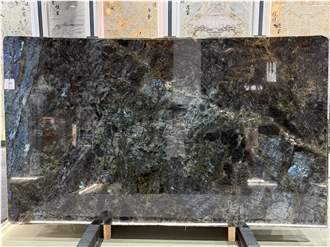
Madagascar Blue Granite

Blue - Granite

Madagascar

About

Item Details

Material Type:
Granite
Origin:
Madagascar (Ihosy, Ihorombe Region, central south Madagascar)
Primary Color(s):
Blue
Recommended Usage:
Countertops, monuments, mosaic, exterior - interior wall and floor applications, fountains, pool and wall capping, stairs, window sills
Additional Names:
Madagascar Blue Labradorite Granite, Blue Austral Labradorite Granite, Blue Australe Granite, Bleue Lemur Granit, Blue Lemure Granite, Labrador Blue Austral Granite, Labradorita Blue Australe Granite, Blue Madagascar Granite, Jade Blue Diamond Granite, in China stone market:玉蓝钻(Yù lán zuān), Madagascar Blue Granite
Finished Surface:
Polished,Bush Hammered,Tumbled,Brushed,Honed,Split,Machine Cut,Natural Surface,Sandblasted,Acid Washing,Combed,Leathered,Filled,Chiseled,Pickling

Testing

Water Absorption:
0.1 %
Density:
2723 kg/m³
Flexural Strength:
16.3 Mpa
Compressive Strength:
138 Mpa

Description

Madagascar Blue Granite is a striking natural stone quarried in Madagascar, an island nation off the southeast coast of Africa. It is known for its captivating blue color, intricate patterns, and durability. Here is a description of Madagascar Blue Granite:

Appearance:

Madagascar Blue Granite showcases a mesmerizing deep blue color as its primary characteristic. The shade of blue can vary, ranging from rich navy blue to lighter blue tones. The stone often features intricate patterns and flecks in shades of gray, black, and white, adding depth and visual interest to its overall appearance. The combination of the blue color and unique patterns gives Madagascar Blue Granite a distinctive and eye-catching look.

Texture:

Madagascar Blue Granite typically has a medium to coarse-grained texture, offering a natural and tactile feel. The surface can be polished to a high gloss, enhancing the stone's luster and bringing out the beauty of its colors and patterns. The polished finish adds a sleek and reflective quality to the granite, making it an elegant choice for various design styles.

Durability:

Madagascar Blue Granite is known for its durability, making it suitable for a range of applications. Granite, in general, is a durable natural stone that is resistant to scratches, heat, and stains. This durability ensures that Madagascar Blue Granite can withstand the rigors of daily use and maintain its beauty for many years with proper care and maintenance.

Unique Patterns:

The intricate patterns and flecks found in Madagascar Blue Granite are distinctive features of this stone. The patterns can vary, ranging from fine speckles to more pronounced veining or swirling patterns. These natural elements create a sense of movement and add visual interest to the stone, making each slab unique.

Applications:

Madagascar Blue Granite is versatile and can be used in various architectural and design applications. It is commonly used for kitchen countertops, bathroom vanities, flooring, wall cladding, and decorative accents. Its vibrant blue color and intricate patterns make it a popular choice for adding a touch of elegance and uniqueness to interior and exterior spaces.

Origin:

Madagascar Blue Granite is quarried in Madagascar, a country known for its diverse and unique natural stone reserves. The island's geological formations provide a wide range of granite varieties, including the captivating Madagascar Blue Granite.

In summary, Madagascar Blue Granite is a visually stunning natural stone quarried in Madagascar. With its deep blue color, intricate patterns, and durability, it adds a touch of elegance and uniqueness to architectural and design projects. Whether used for countertops, flooring, or other applications, Madagascar Blue Granite brings a captivating and luxurious look to any space.

FAQ

Can Madagascar Blue Granite be used for stair steps?

Yes, Madagascar Blue Granite can be used for stair steps. It is a durable and high-quality material that is suitable for both indoor and outdoor applications, including staircases. The unique blue and grey tones of Madagascar Blue Granite can add a luxurious and elegant touch to any staircase design.

Do fruit juices stain the surface of Madagascar Blue Granite?

Fruit juices can potentially stain the surface of Madagascar Blue Granite, especially if the juice contains acidic or dark colored fruits such as berries or citrus fruits. It is important to clean up any spills on granite surfaces immediately to prevent staining. Using a mild soap and water or a granite cleaner is recommended for regular cleaning and maintenance of granite countertops. Additionally, sealing the granite surface periodically can help protect it from staining.

Can 2cm thick Madagascar Blue Granite be used for a commercial bar top?

Yes, 2cm thick Madagascar Blue Granite can be used for a commercial bar top. Granite is a durable and popular choice for bar tops due to its resistance to scratches, heat, and stains. However, it is important to ensure that the granite is properly sealed to prevent any damage or staining from spills and wear and tear over time. Additionally, the thickness of the granite may affect its strength and durability, so it is important to consider the weight and support needed for a commercial bar top.

Does the surface of Madagascar Blue Granite countertop scratch easily?

No, Madagascar Blue Granite is a durable and strong material that is not prone to scratching easily. However, it is still recommended to use cutting boards and avoid dragging sharp or heavy objects directly on the surface to prevent any potential scratches. Regular maintenance and proper care can help keep the countertop in top condition for years to come.

How can I maintain Madagascar Blue Granite kitchen countertop?

1. Clean spills immediately: Wipe up any spills or stains on the countertop immediately to prevent them from penetrating the stone and causing damage. 2. Use a mild cleaning solution: Use a mild, pH-neutral cleaner and a soft cloth to clean the granite countertop. Avoid using harsh chemicals or abrasive cleaners, as they can damage the stone. 3. Seal the countertop regularly: It is important to seal the granite countertop every 1-2 years to protect it from staining and damage. Follow the manufacturers instructions for the specific sealant product you are using. 4. Avoid using abrasive materials: Do not use harsh scrubbing pads or abrasive materials to clean the countertop, as they can scratch the surface. Instead, use a soft cloth or sponge to gently clean the surface. 5. Use cutting boards and trivets: Prevent damage to the countertop by using cutting boards and trivets to protect the surface from scratches and heat damage. 6. Avoid placing hot items directly on the countertop: Always use trivets or hot pads to protect the countertop from heat damage. Placing hot pots or pans directly on the granite surface can cause discoloration or cracking. 7. Regularly inspect for damage: Keep an eye out for any signs of damage or wear on the countertop and address them promptly to prevent further deterioration. By following these maintenance tips, you can keep your Madagascar Blue Granite kitchen countertop looking beautiful and in top condition for years to come.

My tabletop made of Madagascar Blue Granite has scratches. How can I fix it?

To fix the scratches on your Madagascar Blue Granite tabletop, you can follow these steps: 1. Clean the tabletop: Before attempting to repair the scratches, make sure the tabletop is clean and free of any dirt or debris. 2. Sand the scratches: Use fine-grit sandpaper (between 400-800 grit) to gently sand the scratches on the tabletop. Be sure to sand in the direction of the grain and avoid applying too much pressure. 3. Polish the surface: After sanding, use a granite polish to buff the surface of the tabletop. This will help blend the scratches into the rest of the granite and restore its shine. 4. Seal the surface: To protect the tabletop from future scratches and stains, apply a granite sealer according to the manufacturers instructions. 5. Maintain the tabletop: To keep your Madagascar Blue Granite tabletop looking its best, regularly clean it with a mild detergent and water, and avoid placing hot or abrasive items directly on the surface. By following these steps, you should be able to effectively repair the scratches on your tabletop and restore its beauty.

Can I use Madagascar Blue Granite as a fireplace hearth? Is it resistant to heat?

Yes, Madagascar Blue Granite can be used as a fireplace hearth. Granite is a natural stone known for its durability and heat resistance, making it a suitable material for fireplace hearths. As long as the granite is properly installed and maintained, it should be able to withstand the heat from a fireplace without any issues.

Is Madagascar Blue Granite a suitable choice for exterior wall?

Madagascar Blue Granite is a durable and long-lasting natural stone that is suitable for exterior applications, including exterior walls. It is highly resistant to weathering, fading, and scratching, making it a good choice for outdoor use. However, it is important to consider the specific climate and environmental conditions of the location where the granite will be installed, as extreme temperature changes or exposure to harsh chemicals may affect the appearance and integrity of the stone over time. Additionally, proper sealing and maintenance is recommended to preserve the beauty and longevity of the Madagascar Blue Granite on exterior walls.

What should you not use for cleaning Madagascar Blue Granite countertops?

You should avoid using abrasive materials or harsh chemicals to clean Madagascar Blue Granite countertops. These can damage the surface and cause scratches or discoloration. Some products to avoid include vinegar, lemon juice, ammonia, bleach, abrasive cleaning powders, and any acidic or alkaline cleaners. It is best to use a pH-neutral, non-abrasive cleaner specifically designed for natural stone surfaces. Additionally, avoid using sharp or abrasive tools or scrub brushes that can scratch the surface.

Products & Prices

View More

Hot Blue Granite

New Granite

Post Your Request

The request includes:
  1. surface finished, size
  2. quantity required