Post Your Needs

Maori Granite

Black - Granite

Brazil

About

Item Details

Material Type:
Granite
Origin:
Brazil
Primary Color(s):
Black
Recommended Usage:
kitchen and bathroom countertop, wash basins, building stone, ornamental stone, stairs, interior wall and floor applications, mosaic, water-jet pattern, wall panels, table tops, balustrades, columns, fireplaces, luxury furniture
Additional Names:
Maori Black Granite, Blackout Granite, Maori Granite
Finished Surface:
Polished,Bush Hammered,Tumbled,Brushed,Honed,Split,Machine Cut,Natural Surface,Sandblasted,Combed,Leathered,Water Jet,Chiseled,Pickling

Testing

Water Absorption:
0.15 - 0.45%
Density:
2680 - 2720 kg/m³
Flexural Strength:
13 - 17 MPa
Compressive Strength:
165 - 185 MPa
Stone texture:
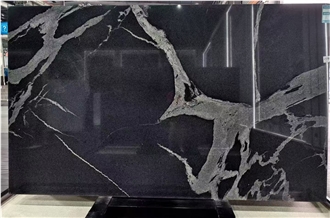
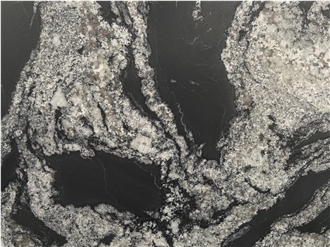
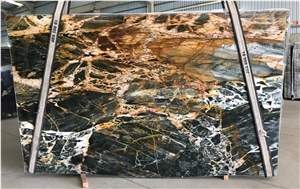
dramatic, stark black background and striking gray and white large wavy veins

Description

Maori Granite is a visually striking natural stone quarried in Brazil. Its dramatic and stark black background is interspersed with large, wavy veins of gray and white, creating a bold and elegant appearance. This granite is popular for its aesthetic appeal and robust physical and mechanical properties, making it suitable for various applications in architecture and design.


Physical and Mechanical Properties:

  • Water Absorption:Typically ranges from 0.15% to 0.45%. Indicates low porosity, meaning it is resistant to infiltration by liquids.
  • Density:Approximately 2.68 to 2.72 g/cm³. Denotes a relatively high density, contributing to its durability and strength.
  • Flexural Strength:Generally around 13 to 17 MPa. Suggests good resistance to bending and surface pressure.
  • Compressive Strength:Typically between 165 to 185 MPa. Implies excellent load-bearing capacity, suitable for heavy-duty applications.
  • Hardness:Rated between 6 and 7 on the Mohs scale. Indicates a high level of scratch resistance.
  • Porosity:Very low; contributes to the material’s stain resistance and durability.
  • Slip Resistance:Dependent on surface finish; honed and textured finishes usually offer better slip resistance compared to polished surfaces.

Chemical and Mineral Compositions (% by weight):

  • Quartz:20-30%. Provides hardness and scratch resistance.
  • Feldspar:40-50%. Contributes to color variations and overall durability.
  • Biotite and/or Hornblende:10-15%. Adds to the granite’s dark background and contributes to strength.
  • Mica:5-10%. Offers subtle luster and slight color variation.
  • Other Minerals (e.g., iron oxides, magnetite):5-10%. May influence the stone's overall color and pattern.

Usage:

Interior Applications:

  • Kitchen countertops

  • Bathroom vanities

  • Fireplace surrounds

  • Floor tiles

Exterior Applications:

  • Facade cladding

  • Outdoor kitchen surfaces

  • Pavers and garden accents

Maintenance:

  • Regular sealing recommended to maintain stain and scratch resistance.
  • Clean with pH-neutral cleaners to preserve the surface finish.
  • Avoid harsh chemicals and abrasive cleansers.

Cutting Sizes (cm):

  • Commonly available in slabs of varying thicknesses (2 cm and 3 cm).
  • Custom sizes typically range from 60 cm x 60 cm to large slabs depending on quarry capacity and client specifications.

Surface Finish Options:

Polished:

  • High gloss, enhances color and pattern.
  • Suitable for interior surfaces prone to less wear and tear.

Honed:

  • Satin-smooth with little to no shine.
  • Ideal for high-traffic areas, provides better slip resistance.

Leathered:

  • Textured with a soft sheen.
  • Popular for countertops and surfaces where a tactile finish is desired.

Bush-hammered or Flamed:

  • Rough texture for high slip resistance.
  • Typically used for outdoor flooring and cladding.

Maori Granite's distinct composition and appearance make it a versatile choice for both aesthetic and functional applications, providing both beauty and resilience.

FAQ

Can Brazil's Maori Granite be used exterior applications in cold climates?

Brazils Maori Granite can generally be used for exterior applications in cold climates. Granite is known for its durability and resistance to extreme temperatures, making it suitable for outdoor use in various climates, including cold regions. However, its important to consider a few factors when using Maori Granite or any granite in cold climates: 1. Water absorption: Granite is porous to some extent, and if water gets absorbed into the stone and then freezes, it can cause cracking or damage over time. To prevent this, its essential to choose a granite with a low water absorption rate and ensure proper sealing of the stone. 2. Frost resistance: Maori Granite is known for its frost resistance, which means it can resist freeze-thaw cycles without significant damage. This property is crucial in cold climates where water can freeze and expand in the stones pores, leading to cracking or deterioration. 3. Maintenance: Regular maintenance, such as sealing the granite and keeping it clean, is essential in cold climates. This helps prevent water infiltration and minimizes the chances of any freeze-thaw damage. By considering these factors and ensuring proper installation and maintenance, Brazils Maori Granite can be successfully used for exterior applications in cold climates.

What is the coefficient of friction of Filled Brazil's Maori Granite tiles?

The coefficient of friction of Filled Brazils Maori Granite tiles can vary depending on the specific type of tile and the surface it is being compared to (e.g. dry or wet surface). However, in general, granite typically has a coefficient of friction between 0.6 and 1.0. It is recommended to consult the manufacturer or supplier for the specific coefficient of friction for Filled Brazils Maori Granite tiles.

Can Brazil's Maori Granite be used in landscaping?

Yes, Brazils Maori Granite can be used in landscaping. Maori Granite is a type of granite that showcases beautiful patterns and colors, with a combination of black, gold, brown, and white tones. Its unique appearance makes it an ideal choice for various landscaping applications such as patios, walkways, retaining walls, and garden features. It can also be used to create stunning outdoor living spaces, including pool surroundings and barbecue areas. Due to its durability and ability to withstand outdoor elements, Maori Granite is a popular choice among landscapers for adding elegance and natural beauty to outdoor spaces.

Can Brazil's Maori Granite be used in a kitchen?

Yes, Brazils Maori Granite can be used in a kitchen. It is a hard and durable material that is resistant to scratches, heat, and stains. However, it is important to note that it should be sealed properly to prevent any damage or discoloration from occurring. Additionally, it is advised to use cutting boards and trivets to avoid any potential damage or scratches to the surface.

Are there color variations of Brazil's Maori Granite?

I do not possess current information if there are any color variations of Brazils Maori Granite. However, natural granites have a wide range of distinct color variations and patterns, and this may also depend on the quarry location and other factors. It is best to consult a granite supplier or visit a stone yard to see samples and compare variations.

Can Brazil's Maori Granite be used outdoors?

Yes, Brazils Maori Granite can be used outdoors as it is very durable and has a high resistance to weathering, making it an ideal choice for outdoor applications such as paving, landscaping, and facades. However, it is recommended to seal the granite to increase its resistance to staining and to maintain its appearance over time.

Is Brazil's Maori Granite an expensive stone?

I dont have access to up-to-date pricing information for Brazils Maori Granite. However, granite is generally considered to be a high-end construction material, and its cost can vary depending on various factors such as quality, rarity, and location. Therefore, its safe to assume that Brazils Maori Granite could potentially be an expensive stone.

Products & Prices

View More

Hot Black Granite

New Granite

Post Your Request

The request includes:
  1. surface finished, size
  2. quantity required