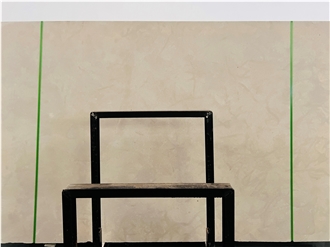
Maqtar Limestone

About
Item Details
- Material Type:
- Limestone
- Origin:
Morocco (Taza, northern Morocco) - Primary Color(s):
- Grey
- Recommended Usage:
- Construction stone, ornamental stone, countertops, mosaic, landscaping stone, monuments, stairs, paving tiles
- Additional Names:
- Pietra di Maqtar, Maqtar Stone, African Light Grey Limestone, Moroccan Light Gray Limestone, in China stone market:非洲浅灰色石灰石(Fēizhōu qiǎn huīsè shíhuīsh), Maqtar Limestone
- Finished Surface:
- Honed, Aged, Polished, Sawn Cut, Sanded, Rockfaced, Sandblasted, Bushhammered, Tumbled
Testing
- Water Absorption:
- 11.7 %
- Flexural Strength:
- 10.2 MPa
- Compressive Strength:
- 92.6 - 117.0 MPa
Description
Name: Pietra di Maqtar
Material Type: Limestone
Quarry Location: northern Morocco
Availability: Medium
Prevalling Market: Worldwide
Compressive Strenght: 1170/kg cm2
After Freezing: 926/kg cm2
Ultimate tensile strenght: 102/kg cm2
Thermal Expansion: 0,06mm/m°C
Water Absorption: 1170%
Impact Test Minimal Fall Height: -cm
Frictional Wear Test: -mm
Bulk Density: undefined
FAQ
A fine abrasive such as diamond polishing pads or sandpaper with a grit level of 800 to 3000 should be used to polish the Maqtar Limestone surface.
Is Maqtar Limestone durable enough for use as walkway pavers?
Maqtar Limestone is a type of limestone that is generally durable and can be used for various purposes, including as walkway pavers. However, it is important to consider certain factors before using Maqtar Limestone for this purpose.
- Maqtar Limestone is a natural stone that is susceptible to wear and weathering over time. It may require regular maintenance and sealing to ensure its durability as walkway pavers.
- The hardness and density of Maqtar Limestone can vary, so it is essential to choose a high-quality, dense variety for use as walkway pavers to ensure longevity and durability.
- The thickness and size of the limestone pavers will also play a role in their durability. Thicker pavers are typically more durable for high-traffic areas.
- Proper installation techniques, such as a solid base and adequate drainage, are essential to ensure the durability of Maqtar Limestone walkway pavers.
Ultimately, while Maqtar Limestone can be used for walkway pavers, it is important to consider these factors and ensure proper maintenance and installation to maximize its durability. Consulting with a professional landscaper or stonemason may also be beneficial in determining if Maqtar Limestone is suitable for your specific walkway project.
Does the surface of Maqtar Limestone scratch easily?
Maqtar Limestone is a durable natural stone that is less likely to scratch easily compared to other more porous materials like marble or travertine. However, it is still possible for the surface of Maqtar Limestone to scratch if it comes into contact with a sharp or abrasive object. It is important to take proper care of Maqtar Limestone surfaces by using coasters under glasses, avoiding dragging heavy objects across the surface, and using a cutting board when preparing food. Regular cleaning and sealing can also help protect the surface from scratches and other damage.
Can glossy polished Maqtar Limestone be used for pool coping?
Yes, glossy polished Maqtar Limestone can be used for pool coping. It is a durable and versatile material that can withstand exposure to water and harsh pool chemicals. The glossy finish adds a luxurious touch to the pool area and complements the overall design of the pool. Just make sure to properly seal and maintain the limestone to prevent discoloration and damage over time.
Can Maqtar Limestone be used as a kitchen countertop?
Yes, Maqtar Limestone can be used as a kitchen countertop. Limestone is a natural stone that is suitable for kitchen countertops due to its durability, heat resistance, and easy maintenance. However, it is important to note that limestone is a softer stone compared to granite or quartz, so it may be more susceptible to scratches and staining. It is crucial to properly seal and maintain the limestone countertop to ensure its longevity and durability in a kitchen setting.
How can I remove mold from Maqtar Limestone wall tiles?
To remove mold from Maqtar Limestone wall tiles, follow these steps:
1. Wear gloves, a mask, and goggles to protect yourself from mold spores.
2. Mix a solution of equal parts water and white vinegar or hydrogen peroxide in a spray bottle.
3. Spray the solution onto the moldy areas of the tiles and let it sit for 10-15 minutes to allow it to penetrate and kill the mold.
4. Scrub the moldy areas with a scrubbing brush or sponge to remove the mold.
5. Rinse the tiles thoroughly with clean water to remove any leftover mold and cleaning solution.
6. Dry the tiles completely with a clean towel or cloth.
7. To prevent mold from returning, ensure the area is well-ventilated and moisture levels are controlled. Consider using a dehumidifier in the room to reduce moisture.
8. Regularly clean and maintain the tiles to prevent mold growth in the future.
Does Maqtar Limestone mosaic need to be sealed?
Yes, Maqtar Limestone mosaic should be sealed to protect it from stains, water damage, and color fading. Sealing the limestone mosaic will also enhance its natural beauty and make it easier to clean and maintain. It is important to use a high-quality sealer that is specifically designed for natural stone materials to ensure proper protection and longevity.
How can I clean Maqtar Limestone mosaic tiles?
1. Start by sweeping or vacuuming the surface of the tiles to remove any dirt or debris.
2. Mix a small amount of mild detergent or stone cleaner with warm water in a bucket.
3. Use a soft-bristled brush or a non-abrasive sponge to gently scrub the tiles with the cleaning solution.
4. Rinse the tiles with clean water to remove any remaining residue.
5. Dry the tiles with a clean, lint-free cloth to prevent water spots or streaks.
6. For tougher stains or grime, you can try using a specialized stone cleaner or a mixture of equal parts water and vinegar. Allow the solution to sit on the stain for a few minutes before scrubbing and rinsing.
7. Avoid using abrasive cleaning tools or harsh chemicals, as they can damage the surface of the limestone tiles.
8. To maintain the appearance of the tiles, you can apply a stone sealer according to the manufacturers instructions. This will help protect the tiles from stains and maintain their natural beauty.
How can I clean the grout of Maqtar Limestone wall tiles?
To clean the grout of Maqtar Limestone wall tiles, you can follow these steps:
1. Start by mixing a solution of equal parts warm water and white vinegar in a spray bottle.
2. Spray the solution onto the grout lines and let it sit for a few minutes to loosen any dirt and grime.
3. Use a stiff-bristled brush or an old toothbrush to scrub the grout lines, focusing on any stubborn stains or discoloration.
4. Rinse the area with clean water to remove the vinegar solution and any loosened dirt.
5. For tougher stains, you can make a paste using baking soda and water and apply it to the grout lines. Let it sit for a few minutes before scrubbing and rinsing.
6. For ingrained stains that are difficult to remove, you can also try using a commercial grout cleaner or a mixture of hydrogen peroxide and baking soda.
7. Once the grout is clean, be sure to dry the area thoroughly to prevent any mold or mildew from forming.
It is important to test any cleaning solution on a small, inconspicuous area of the limestone tiles before applying it to the grout, to ensure that it does not cause damage or discoloration.
I have a Maqtar Limestone tabletop with a vein that looks broken. Should I glue it?
Gluing the broken vein in a Maqtar Limestone tabletop may not be the best solution as it can affect the overall look and durability of the stone. It is recommended to consult with a professional stone repair specialist who can provide the best solution for repairing the broken vein in a way that preserves the aesthetic and structural integrity of the tabletop.


8YR