Post Your Needs

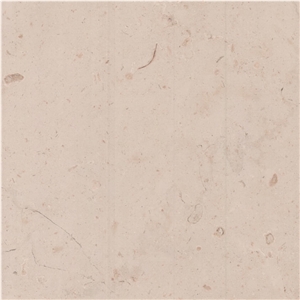
Melly Grey Limestone

Limestone

Egypt

About

Item Details

Material Type:
Limestone
Origin:
Egypt (near Rafah border, North Sinai)
Recommended Usage:
kitchen and bathroom countertops, wash basins, building stone, ornamental stone, stairs, interior, exterior wall and floor applications, mosaic, waterjet pattern, wall panels, table tops, balustrades, columns, wall and pool copings, pool pavers, sculptures, fireplaces, window sills
Additional Names:
Melly Gray Limestone, Meli Gray Limestone, Milly Grey Limestone, Milli Grey Limestone, Contila Marble, London Grey Marble, Meli Grey Limestone, Nile Grey Limestone, Grey Minya Limestone, Melly Grey Limestone
Finished Surface:
Polished,Bush Hammered,Tumbled,Brushed,Honed,Split,Machine Cut,Natural Surface,Sandblasted,Combed,Leathered,Water Jet,Filled,Chiseled,Pickling

Testing

Water Absorption:
0.05 - 0.26%
Density:
2660 kg/m³
Flexural Strength:
2,300 psi (~15.8 MPa)
Compressive Strength:
20,200 psi (~139 MPa)

Description

Melly Grey (also known as Nile Grey or Grey Minya) is a natural limestone from Egypt, despite often being marketed commercially as “marble.” It is a sedimentary stone composed mainly of calcium carbonate (CaCO₃).

Melly Grey is a natural limestone quarried near the Rafah border in North Sinai, Egypt. It is a sedimentary stone composed predominantly of calcium carbonate, widely appreciated for its neutral grey tones and architectural versatility.

Color & Appearance

Melly Grey Limestone features cool mid-grey to dark grey tones, often enriched with subtle silver and beige undertones. The surface may display natural fossil traces, soft veining, and gentle tonal variations, creating a refined yet organic aesthetic suitable for modern and contemporary designs.

Texture & Structure

This limestone has a fine- to medium-grained structure with a relatively uniform matrix. Due to its sedimentary origin, it may include fossil inclusions and small natural pores, adding natural character while maintaining overall consistency.

Pattern

Generally uniform background tone Subtle fossil markings and soft veining Light natural variations between pieces This results in a calm, consistent pattern with understated movement.

Technical Properties

  • Compressive Strength: ~139 MPa (~20,200 psi)
  • Flexural Strength: ~15.8 MPa (~2,300 psi)
  • Abrasion Resistance: ~33.9 Ha
  • Density: ~2660 kg/m³
  • Water Absorption: ~0.05% – 0.26%

These values indicate moderate strength, relatively low absorption for limestone, and good suitability for architectural applications.

Hardness & Durability

Melly Grey Limestone has medium hardness, typical of limestone, offering good durability for both interior and exterior use when properly treated. It is less hard than granite but provides adequate resistance for residential and commercial applications.

Chemical & Mineral Composition (% by weight)

  • Calcium Carbonate (CaCO₃ / Calcite): ~90–98%
  • Silica / Quartz: ~1–5%
  • Iron Oxides & Clay Minerals: trace amounts

This composition contributes to its natural appearance, workability, and structural performance.

Applications

Suitable for a wide range of applications:

  • Interior flooring and wall cladding
  • Exterior façades and landscaping
  • Paving, terraces, and walkways
  • Pool surrounds and garden features
  • Bathrooms, fireplaces, and decorative elements

Surface Finish Options

Honed, Brushed, Sandblasted, Bush-hammered, Tumbled, Split face, Polished (less common)

Maintenance

  • Clean with mild detergent and water
  • Sealing recommended to reduce porosity and staining
  • Avoid acidic cleaners due to calcite content
  • Regular maintenance ensures long-lasting performance

General Evaluation

Melly Grey Limestone is a versatile and cost-effective natural stone, valued for its neutral grey palette, subtle fossil character, and balanced performance. It is an excellent choice for modern architectural projects requiring a refined yet natural appearance.

FAQ

Can Melly Grey Limestone be used for pool coping?

Melly Grey Limestone can be used for pool coping, but there are several factors you should consider before selecting it for this purpose: 1. **Slip Resistance:** Pool coping should be slip-resistant for safety reasons. Check the finish of the Melly Grey Limestone to ensure it provides adequate traction when wet. 2. **Water Resistance:** Limestone is generally porous, which means it can absorb water. Make sure the limestone is properly sealed to prevent water penetration and potential damage over time. 3. **Durability:** Ensure that the Melly Grey Limestone is durable enough to withstand exposure to pool chemicals, extreme weather conditions, and regular wear and tear. 4. **Maintenance:** Consider the maintenance requirements. Limestone may require regular sealing to maintain its appearance and integrity. 5. **Aesthetics:** Make sure the color and style of the Melly Grey Limestone match the overall design of your pool and landscape. Before proceeding, its advisable to consult with a professional installer or a stone supplier to confirm the suitability of Melly Grey Limestone for your specific project. They can provide guidance on sealing, installation, and ongoing maintenance to ensure optimal performance and longevity.

How can the surface of Melly Grey Limestone be bush-hammered using portable machines or tools?

Bush-hammering is a technique used to create a textured surface on stone, such as Melly Grey Limestone, by repeatedly striking it with a specialized tool. This process can be carried out with portable machines or hand tools. Heres how you can bush-hammer the surface of Melly Grey Limestone using portable equipment: ### Tools and Equipment Needed: 1. **Bush Hammer Tool**: A specialized tool that features a grid of small cone-shaped points. This can be in the form of a hand-held tool or an attachment for an angle grinder or other power tools. 2. **Angle Grinder**: If you are using a bush hammer attachment, an angle grinder is commonly used due to its power and versatility. 3. **Chisel and Hammer**: Basic hand tools for manual bush hammering, useful for small areas or detailed work. 4. **Safety Gear**: Protective eyewear, gloves, ear protection, and a dust mask to protect yourself from stone dust and debris. ### Steps for Bush-Hammering: 1. **Prepare the Area**: Ensure the work area is clear, and the stone is securely positioned. Use supports or clamps to keep the limestone steady. 2. **Safety Precautions**: Put on your safety gear before operating the tools to protect yourself from stone chips and dust. 3. **Tool Selection**: - For a **hand-held bush hammer**, grip it firmly and employ a consistent striking motion across the surface. - If using an **angle grinder with a bush hammer attachment**, adjust the grinder to a comfortable speed. The attachment mimics the action of hand bush hammers but with more efficiency and consistency. 4. **Bush-Hammering Technique**: - **Manual Method**: Strike the surface with the bush hammer in a controlled manner. Overlapping passes will ensure even texturing across the surface. - **Power-Assisted Method**: Gently move the angle grinder with the bush hammer attachment across the limestone surface. Maintain a steady hand to ensure even texture and avoid gouging. 5. **Check Consistency**: Periodically check the textured surface to ensure the desired finish is achieved. Adjust your technique or tool settings if necessary. 6. **Cleaning**: After bush-hammering, clean the limestone surface with water or a soft brush to remove any stone dust and loose debris. 7. **Surface Inspection**: Inspect the finished surface to ensure the texture is uniform and meets your aesthetic requirements. ### Tips: - Practicing on a sample piece or an inconspicuous part of the limestone before tackling the main area can help refine your technique. - Ensure the tools are well-maintained and sharp for efficient processing and optimal results. Bush-hammering provides a slip-resistant and visually appealing finish, making it an excellent choice for both indoor and outdoor applications.

Is Melly Grey Limestone durable enough for use as walkway pavers?

Melly Grey Limestone can be a suitable choice for walkway pavers, but there are a few considerations to keep in mind regarding its durability and performance: 1. **Hardness and Density**: Melly Grey Limestone generally offers good hardness and density, making it sufficiently robust for foot traffic areas. However, its always wise to confirm the specific properties of the limestone batch you are considering, as natural stone can vary. 2. **Weather Resistance**: Limestone can be susceptible to weathering over time, especially in climates with freeze-thaw cycles. Ensure that the limestone has been tested or recommended for outdoor use in your specific climate. 3. **Finishing**: The surface finish of the limestone can affect its suitability as a walkway. A honed or textured finish may provide better slip resistance compared to a polished finish, which can be slippery when wet. 4. **Maintenance**: Limestone pavers may require periodic sealing to maintain their appearance and prevent staining. Proper maintenance will extend the life and appearance of the stone. 5. **Thickness**: The thickness of the pavers is important for durability. Thicker pavers can better withstand traffic and reduce the likelihood of cracking or other damage. Overall, if Melly Grey Limestone is sourced from a reputable supplier and is properly installed and maintained, it can serve as a durable and aesthetically pleasing choice for walkway pavers. Nonetheless, its always best to consult with a local stone supplier or a professional installer to ensure the stone meets the specific requirements of your project.

Can Melly Grey Limestone be used for a fireplace mantel?

Yes, Melly Grey Limestone can be used for a fireplace mantel. Limestone is a popular choice for fireplace mantels due to its durability, aesthetic appeal, and ability to withstand heat. However, its important to ensure that the specific type of limestone you choose, such as Melly Grey, matches your design preferences and is properly sealed and maintained to protect it from stains and discoloration. Consulting with a professional installer or a stone supplier can provide more specific guidance based on your project requirements.

Can 20 mm thick Melly Grey Limestone be used for kitchen countertop?

Using 20 mm thick Melly Grey Limestone for a kitchen countertop is possible, but there are several considerations to take into account: 1. **Durability**: Limestone is a relatively soft and porous natural stone compared to granite or quartz. It is more susceptible to scratching, staining, and etching, especially in a high-use area like a kitchen. Proper sealing is essential to help protect the stone. 2. **Thickness**: While 20 mm is a common thickness for countertops, you might need to reinforce the stone with additional support or substrate to prevent it from cracking, particularly in a high-traffic area. 3. **Maintenance**: Limestone requires regular sealing and careful maintenance to protect it from stains and moisture. Spills should be wiped up immediately, and abrasive or acidic cleaning products should be avoided. 4. **Aesthetic Appeal**: Melly Grey Limestone can provide an elegant and natural look, which may be desirable for your kitchen design. 5. **Cost and Installation**: Limestone can be more costly to install and maintain over time compared to other countertop materials. Ensure you work with a professional who has experience with limestone to achieve the best outcome. In conclusion, while 20 mm Melly Grey Limestone can be used for a kitchen countertop, it is important to balance aesthetic desires with practical considerations and maintenance requirements.

Does red wine stain the surface of a Melly Grey Limestone kitchen countertop?

Yes, red wine can stain the surface of a Melly Grey Limestone kitchen countertop. Limestone is a porous natural stone, which means it can absorb liquids and be susceptible to staining. When red wine spills on the surface, it can seep into the pores and leave a mark if not cleaned up promptly. To prevent staining, its important to wipe up spills immediately and consider sealing the countertop regularly to provide a protective barrier. If a stain does occur, using a poultice or a specialized stone cleaner designed for limestone might help in removing it.

Products & Prices

View More

Hot Limestone

New Limestone

Post Your Request

The request includes:
  1. surface finished, size
  2. quantity required