Post Your Needs

Moorish Stone

Limestone

Brazil

About

Item Details

Material Type:
Limestone
Origin:
Brazil (Juazeiro Do Piauí,Piauí)
Recommended Usage:
monuments, building stone, ornamental stone, stairs, interior, exterior wall and floor applications, mosaic, wall panels, reliefs, window sills, balustrades, columns, wall and pool copings, pool pavers, sculptures, fireplaces, cobbles, pavers, curbstone
Additional Names:
Golden Imperial Stone, Golden Imperial Limestone, Piaui Stone, Moorish Limestone, Moorish Stone
Finished Surface:
Flamed,Bush Hammered,Tumbled,Brushed,Honed,Split,Machine Cut,Natural Surface,Sandblasted,Acid Washing,Combed,Water Jet,Chiseled,Pickling

Testing

Water Absorption:
0.20 – 0.45%
Density:
2660 – 2710 kg/m³
Flexural Strength:
14 – 18 MPa
Compressive Strength:
160 – 190 MPa

Description

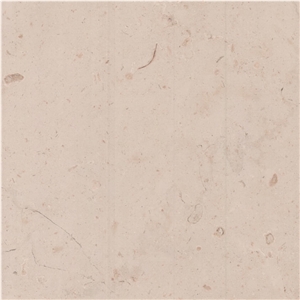
Color & Appearance: Moorish Stone, also known as Golden Imperial Stone, is distinguished by its warm golden-yellow to light orange background enriched with natural earthy tones. The stone displays irregular cloudy patches and delicate veining in deeper shades of gold, amber, honey, and light brown, producing a rustic yet elegant marbled appearance. Its organic and non-repetitive pattern ensures that every slab possesses a unique visual identity with natural movement and depth.

Texture & Structure: The stone features a dense and compact crystalline structure with a naturally textured surface. Depending on the finish, it can exhibit a slightly rough, leathered, brushed, or smooth tactile feel. The material contains tightly interlocked mineral grains that contribute to its durability and natural character. Its rustic texture combined with warm coloration makes it suitable for both contemporary and traditional architectural applications.

Pattern: Cloudy and softly marbled movement Organic and non-uniform veining Natural mineral shading and tonal variation Rustic flowing patterns with moderate movement Unique slab-to-slab variation

Technical Test Results:

  • Water Absorption: 0.20% – 0.45%
  • Density: 2,660 – 2,710 kg/m³
  • Compressive Strength: 160 – 190 MPa
  • Flexural Strength: 14 – 18 MPa
  • Abrasion Resistance: High
  • Frost Resistance: Excellent
  • Porosity: Low to Medium
  • Mohs Hardness: 6 – 7

Chemical Composition (% by Weight):

  • SiO₂ (Silicon Dioxide): 70% – 85%
  • Al₂O₃ (Aluminum Oxide): 6% – 12%
  • Fe₂O₃ (Iron Oxide): 1% – 4%
  • CaO (Calcium Oxide): 0.5% – 2%
  • MgO (Magnesium Oxide): 0.5% – 1.5%
  • K₂O + Na₂O: 2% – 5%
  • Trace Minerals: Natural oxides, mica, and feldspar

Mineral Composition (% by Weight):

  • Quartz: 60% – 75%
  • Feldspar: 10% – 20%
  • Mica: 5% – 10%
  • Iron-bearing Minerals: 2% – 5%
  • Accessory Minerals: <2%

Applications & Usage:

  • Interior wall cladding
  • Exterior facades
  • Flooring and paving
  • Feature walls
  • Fireplace surrounds
  • Staircases
  • Landscaping projects
  • Pool surrounds
  • Garden pathways
  • Decorative architectural elements
  • Rustic and luxury residential projects
  • Commercial and hospitality designs

Maintenance: Moorish Stone requires minimal maintenance when properly sealed. Regular cleaning with mild pH-neutral stone cleaners is recommended to preserve its natural beauty and surface integrity. Acidic or abrasive chemicals should be avoided. Periodic sealing helps improve stain resistance, especially in exterior or high-traffic installations.

Available Surface Finish Options: Polished, Honed, Leathered, Brushed, Natural Split, Sandblasted, Flamed, Flamed Brushed, Bush-Hammered, Tumbled, Satin, Waterjet, Machine-Cut

Characteristics:

  • Warm natural earth-tone appearance
  • Unique organic veining and cloudy movement
  • Durable and weather resistant
  • Suitable for indoor and outdoor applications
  • Rustic yet elegant aesthetic
  • Natural slip-resistant texture available in brushed and flamed finishes

FAQ

Can 2cm thickness Moorish Stone be used for stair steps?

Using 2 cm thick Moorish stone for stair steps can be possible, but there are several factors to consider: 1. **Strength and Durability:** Check if the specific type of Moorish stone you have is strong and durable enough for use as stair treads. Some stones, while beautiful, may not be suitable for high-traffic areas due to their softness or tendency to chip or crack. 2. **Weight Bearing:** Ensure that the substrate or structure supporting the stone can handle the weight. A 2 cm thickness might be adequate for standard load-bearing requirements, but its important to confirm. 3. **Slip Resistance:** Stone surfaces can be slippery, especially when wet. Ensure the Moorish stone has a textured, non-slip finish suitable for use in areas where safety is a concern, such as stairs. 4. **Installation:** Proper installation is crucial. This includes using the right adhesive and ensuring the substrate is prepared correctly to prevent any movement that could damage the stone. 5. **Building Codes:** Check local building codes and regulations. They may have specific requirements for stair treads, including thickness, material, and slip resistance. 6. **Maintenance:** Consider the maintenance requirements of the stone. Some stones may stain easily or require regular sealing to maintain their appearance and durability. If you are unsure, its often a good idea to consult with a structural engineer or a professional stone contractor to assess the suitability of the Moorish stone for your specific project.

Is Moorish Stone durable enough for use as walkway pavers?

Moorish Stone, a type of natural stone, is often used in various architectural and landscaping applications due to its aesthetic appeal and durability. Whether it is suitable for use as walkway pavers depends on several factors such as the specific type of Moorish Stone, its thickness, hardness, and finish. ### Durability Considerations: 1. **Hardness**: Natural stone varies in hardness. Stones like granite or basalt are typically very hard and durable, making them suitable for high-traffic areas such as walkways. Ensure that the Moorish Stone you select has similar hardness properties. 2. **Thickness**: Thicker stones are generally more durable and better suited for use as pavers since they can withstand downward pressure and potential impacts. A minimum thickness of 1.5 inches is often recommended for walkway pavers. 3. **Finish**: A non-slip surface is crucial for safety, especially in outdoor environments that can become wet. A textured or rough finish is generally preferable for walkways to avoid slipping hazards. 4. **Porosity**: Stones that are less porous are more resistant to weathering, especially in climates with freeze-thaw cycles. If the stone is porous, proper sealing may be necessary to enhance its durability and prevent water infiltration. 5. **Climate**: Consider the local climate and environmental conditions. If the area experiences extreme weather conditions, make sure the stone you select can handle thermal expansion, contraction, and possible weather-related stresses. ### Maintenance: Even durable stones require routine maintenance to maintain their appearance and longevity. Regular cleaning and sealing can help protect the stone from stains, scratches, and other types of damage. ### Recommendations: Before making a decision, its advisable to consult with a professional or supplier familiar with Moorish Stone to ensure it meets your project requirements. They can provide insight into whether the specific type or cut of the stone you are considering will perform well as pavers. Additionally, look for any warranties or guarantees regarding the stones performance in outdoor settings.

Does the surface of Moorish Stone scratch easily?

Moorish Stone typically refers to a type of ceramic tile known for its decorative, intricate designs reminiscent of Moorish architecture. Ceramic tiles, including those that feature Moorish designs, are generally durable and resistant to scratching due to their hard surface. However, their scratch resistance can vary based on the quality and finish of the tile. High-quality glazed ceramic tiles tend to be more resistant to scratches, but its always a good idea to handle them with care and avoid dragging sharp objects across the surface to maintain their appearance. For the best results, follow manufacturer recommendations on maintenance and care.

Can Moorish Stone be used for pool coping?

Yes, Moorish Stone can be used for pool coping. It is a type of natural stone that is durable and aesthetically pleasing, making it suitable for outdoor applications like pool areas. When selecting stone for pool coping, it is important to ensure that it is resistant to water absorption, has a non-slip surface, and can withstand outdoor conditions, including temperature changes and exposure to chemicals like chlorine. Before using Moorish Stone or any natural stone for pool coping, its advisable to consult with a professional installer to ensure that the stone meets the necessary safety and durability requirements for your specific project. Additionally, proper sealing and maintenance might be necessary to ensure the stone retains its appearance and performance over time.

How can I maintain Moorish Stone flooring?

Maintaining Moorish stone flooring involves several steps to ensure its longevity and beauty. Here’s a comprehensive guide on how to care for this type of flooring: 1. **Regular Cleaning:** - **Sweeping or Vacuuming:** Regularly sweep or vacuum the floor to remove dirt, dust, and debris. This prevents scratching the surface when walked on. - **Mopping:** Use a damp mop for cleaning. Use pH-neutral stone floor cleaners. Avoid using harsh chemicals or acidic cleaners as they can damage the stone. 2. **Stain Prevention:** - **Immediate Cleanup:** Wipe up spills immediately to prevent staining. Stone is porous and can absorb liquids that can lead to stains. - **Use Rugs and Mats:** Place rugs or mats at entryways to prevent dirt and moisture from being tracked onto the floor. 3. **Sealing:** - **Regular Sealing:** Stone flooring should be sealed every 1 to 2 years to protect it from stains and moisture. Ensure you use a high-quality stone sealant suitable for your specific type of Moorish stone. - **Test for Sealing:** You can test if your stone needs sealing by sprinkling a few drops of water on the surface. If the water is absorbed quickly, it’s time to reseal. 4. **Avoid Damage:** - **Furniture Pads:** Use pads under furniture legs to prevent scratching. - **Careful Moving:** Lift and move furniture instead of dragging it across the floor. - **Avoid High Heels:** Encourage removing high heels in areas with stone flooring, as they can cause damage. 5. **Addressing Damages:** - **Scratch Repair:** Minor scratches can often be polished out with a soft cloth and a suitable stone polish. - **Professional Repairs:** For deeper scratches or chips, it may be necessary to consult a professional for repair. 6. **Long-Term Maintenance:** - **Professional Cleaning and Polishing:** Consider hiring professionals for deep cleaning and polishing every few years to maintain the stone’s luster. By following these steps and maintaining a regular maintenance routine, you can keep your Moorish stone flooring in good condition and enhance its durability and appearance.

Is Moorish Stone a suitable choice for facades in cold winter climates?

When considering Moorish Stone for facades in cold winter climates, several factors need to be taken into account to determine its suitability: 1. **Durability:** Moorish Stone should be evaluated for freeze-thaw durability. In cold climates, the stone must withstand repeated cycles of freezing and thawing without cracking or deteriorating. 2. **Porosity:** The porosity of the stone is crucial because moisture can seep into porous materials, freeze, and cause expansion, leading to damage. A lower porosity stone would generally be more suitable for such climates. 3. **Thermal Expansion:** Different materials expand and contract with temperature changes. Its important to ensure that Moorish Stone has compatible thermal expansion properties with other construction materials used in the facade. 4. **Maintenance:** Consider the maintenance requirements of the stone in a cold climate. Some stones may require sealing or more frequent maintenance to withstand harsh weather conditions. 5. **Aesthetic and Historical Considerations:** Moorish Stone often has distinct aesthetics that may be desirable for certain architectural styles or historical preservation efforts. However, these considerations should be balanced with practical concerns. 6. **Local Expertise:** Consulting with local architects, builders, or stone suppliers who have experience in using similar materials in cold climates can provide valuable insights. Before making a decision, it is recommended to test the stone or obtain detailed technical specifications regarding its performance in extreme weather conditions.

Products & Prices

Hot Limestone

New Limestone

Post Your Request

The request includes:
  1. surface finished, size
  2. quantity required