Post Your Needs

Napoleon Bordeaux Quartzite

Quartzite

Brazil

About

Item Details

Material Type:
Quartzite
Origin:
Brazil
Recommended Usage:
kitchen and bathroom countertops, wash basins, building stone, ornamental stone, stairs, interior, exterior wall and floor applications, mosaic, waterjet pattern, wall panels, table tops, balustrades, columns, wall and pool copings, pool pavers, fireplaces, window sills
Additional Names:
Bordeaux Red Quartzite, Napoleon Red Quartzite
Finished Surface:
Polished,Bush Hammered,Tumbled,Brushed,Honed,Split,Machine Cut,Natural Surface,Sandblasted,Acid Washing,Combed,Leathered,Water Jet,Filled,Chiseled,Pickling

Testing

Water Absorption:
0.10 – 0.30% by weight
Density:
2660 – 2700 Kg/m³
Flexural Strength:
14 – 18 MPa
Compressive Strength:
150 – 160 MPa

Description

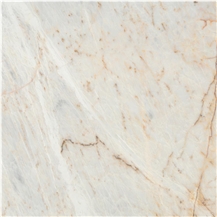
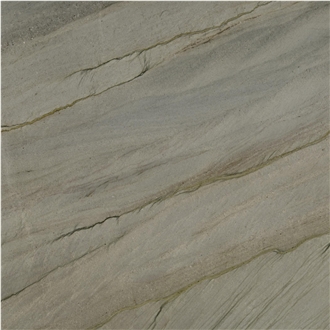
Napoleon Bordeaux Quartzite is a striking Brazilian natural stone renowned for its bold visual impact and refined elegance. It features a rich palette of fiery red and deep burgundy tones, beautifully contrasted by sweeping white and soft cream veining that flows dynamically across the surface. The vivid coloration and natural movement create a sense of warmth, energy, and sophistication, making each slab unique and highly expressive. Its crystalline composition enhances the depth of color and allows for a luminous, polished finish that elevates its luxurious appeal in both contemporary and classic design settings.

Geological & Technical Characteristics

  • Type: Natural Quartzite
  • Origin: Brazil
  • Formation: Metamorphosed quartz-rich sandstone
  • Texture: Medium to coarse crystalline, compact and interlocking grains
  • Pattern: Bold, flowing veining with directional movement
  • Color Range: Red, burgundy, rust, white, and cream accents

Physical & Mechanical Properties

  • Apparent Density: ~2.66–2.70 g/cm³
  • Water Absorption: ~0.10–0.30% by weight
  • Compressive Strength: ~150–160 MPa
  • Flexural Strength: ~14–18 MPa
  • Abrasion Resistance: High
  • Hardness (Mohs): 7–7.5

Chemical Composition (% by weight)

  • SiO₂ (Silica): 90–97%
  • Fe₂O₃ (Iron Oxides): 1–5% (responsible for red and rust tones)
  • Al₂O₃ (Alumina): 1–3%
  • Other oxides (CaO, MgO, K₂O): <2%

Mineral Composition (% by weight, typical)

  • Quartz: 90–97%
  • Feldspar: 1–4%
  • Mica and accessory minerals: 0–3%
  • Iron-bearing minerals: trace to 5%

Performance Characteristics

  • Excellent resistance to scratching and abrasion
  • High resistance to heat and thermal shock
  • UV stable, suitable for exterior applications
  • Low porosity and high durability
  • Ideal for high-traffic and demanding environments

Surface Finish Options

  • Polished (enhances color vibrancy and veining contrast)
  • Honed (smooth matte finish for a softer appearance)
  • Leathered (textured, natural feel with subtle sheen)
  • Brushed / Antique (aged, tactile surface)

Applications

  • Luxury kitchen countertops and waterfall islands
  • Feature walls and bookmatched installations
  • Bathroom vanities and wall cladding
  • High-end flooring and staircases
  • Exterior façades and landscaping elements
  • Custom furniture and decorative pieces

Maintenance

  • Periodic sealing recommended for stain resistance
  • Clean with pH-neutral stone cleaners
  • Avoid acidic or abrasive substances
  • Durable surface requires minimal maintenance

Napoleon Bordeaux Quartzite is a premium exotic stone that combines exceptional durability with dramatic aesthetics. Its fiery red tones and elegant white veining create a bold yet sophisticated visual statement, making it ideal for luxury architectural and interior design projects. Quarried in Brazil, this unique material reflects the power and beauty of natural geological processes, offering a distinctive and exclusive solution for refined, high-end environments.

FAQ

Will a hot pot leave a mark on a Napoleon Bordeaux Quartzite kitchen countertop?

Napoleon Bordeaux Quartzite is a natural stone that is known for being more heat-resistant than some other countertop materials, such as laminate or even certain types of engineered stone. However, while quartzite is more durable and heat-resistant, it is not completely impervious to damage from heat. Placing a very hot pot directly on a quartzite countertop could potentially cause thermal shock, which might lead to cracks or discoloration. Additionally, the sealant or finish on the countertop might be affected by the heat, leading to marks or dulling of the surface. To maintain the integrity and appearance of your quartzite countertop, its best to use trivets or hot pads when placing hot cookware on the surface. This precaution can help prevent any potential damage and keep your countertop looking its best.

The hot pan left a mark on my Napoleon Bordeaux Quartzite kitchen countertop—how can I clean it?

When dealing with a mark on a Napoleon Bordeaux Quartzite countertop, it’s important to approach the situation carefully to avoid causing further damage. Here is a step-by-step guide on how to attempt to clean the mark: 1. **Identify the Stain Type**: First, try to determine if the mark is a scorch mark, or perhaps a mineral deposit or other residue. If its a scorch mark, it might be more difficult to remove as heat can alter the stones surface. 2. **Cleaning Solution**: Mix a small amount of mild dish soap with warm water. Avoid using acidic or abrasive cleaners as they can damage natural stone surfaces. 3. **Gentle Scrubbing**: Use a soft cloth or sponge to gently scrub the affected area. Avoid using any rough or metal scrubbers that can scratch the stone. 4. **Poultice for Stubborn Stains**: If a simple cleaning doesnt work, you can try making a poultice. Mix baking soda with a little water to create a thick paste. Apply this paste to the stain, cover with plastic wrap and leave it for 24 hours before wiping it clean. 5. **Rinse and Dry**: Rinse the area thoroughly with clean water and dry with a soft towel to prevent water spots. 6. **Check for Improvement**: If the mark remains, it may be etched into the stone. In this case, consult a professional stone restorer. 7. **Prevent Future Damage**: To avoid future marks, always use trivets or heat pads under hot cookware and promptly clean spills. If youre unable to remove the mark yourself, it might be worthwhile to contact a professional who specializes in stone surfaces for further evaluation and restoration.

If lemonade spills on a Napoleon Bordeaux Quartzite kitchen countertop, will it damage the surface?

Napoleon Bordeaux Quartzite is a natural stone known for its durability and resistance to heat and scratches. However, like most natural stones, it is still porous to some extent and can be susceptible to staining and etching from acidic substances, such as lemon juice found in lemonade. If lemonade spills on a quartzite countertop, its important to clean it up promptly to prevent any potential damage. To minimize the risk of damage, you should: 1. Wipe up the spill immediately using a soft, damp cloth or paper towel. 2. Clean the area with a pH-neutral cleaner or a solution of mild dish soap and water. 3. Rinse the area with clean water and dry it thoroughly with a clean towel. Sealing the quartzite countertop periodically can also help reduce its porousness and improve its resistance to staining and etching. Make sure to follow the manufacturers recommendations for sealing and maintenance to keep your countertop in good condition.

Can I use bleach when cleaning a Napoleon Bordeaux Quartzite kitchen countertop?

Using bleach on a Napoleon Bordeaux Quartzite countertop is not recommended. Quartzite is a natural stone that, while durable, can be sensitive to harsh chemicals like bleach. Bleach can potentially degrade the sealant applied to the surface, making it more susceptible to stains and damage. Its best to clean quartzite countertops with a mild dish soap mixed with water and a soft cloth or sponge. For tougher stains, consider using a cleaner specifically designed for natural stone surfaces. Always check the manufacturer’s recommendations and ensure the stone is properly sealed to maintain its beauty and durability.

If I use Napoleon Bordeaux Quartzite as a bar countertop, will alcoholic drinks damage its surface over time?

Using Napoleon Bordeaux Quartzite as a bar countertop can be a good choice due to its durability and resistance to heat and scratches. However, like most natural stones, quartzite can be susceptible to etching and staining if it comes into contact with acidic substances, including some alcoholic beverages, citrus juices, and other common bar ingredients. To minimize the risk of damage, here are a few precautions you can take: 1. **Sealing**: Ensure the quartzite is properly sealed. A high-quality sealant can provide an extra layer of protection against potential staining and etching. 2. **Coasters and Mats**: Use coasters and mats to help protect the surface from spills and condensation that can form around glasses and bottles. 3. **Immediate Cleanup**: Clean up spills as soon as they happen. The longer a potentially staining substance sits on the surface, the greater the risk of damage. 4. **Regular Maintenance**: Clean the countertop regularly with a mild, pH-neutral cleaner. Avoid acidic or abrasive cleaning agents. 5. **Resealing**: Depending on usage, you may need to reseal the surface every 1-2 years to maintain its protective layer. By taking these precautions, you can help preserve the beauty and integrity of your Napoleon Bordeaux Quartzite countertop over time.

Napoleon Bordeaux Quartzite has its own natural veins. If I use it as stair steps, will it break along these veins?

Napoleon Bordeaux Quartzite is a durable natural stone known for its striking appearance and strong characteristics. Like many natural stones, it features veins and patterns that are part of its beauty and uniqueness. While quartzite is generally harder and more durable than other stones such as marble, its essential to consider the orientation and installation of the stone when using it as stair steps. Veins in natural stone can sometimes represent areas of structural weakness, dependent on the direction they run relative to applied forces. Proper installation and support are crucial to ensure the longevity and safety of the staircase. 1. **Material Selection:** Choose high-quality material without significant fissures or cracks along the veins. Work with a reputable supplier who can provide slabs specifically intended for structural use. 2. **Installation Technique:** Ensure that the quartzite is properly supported and installed by experienced professionals who understand the nature of the material and potential stress points. They will likely install the stone with the veins running perpendicular to the direction of potential stress if possible. 3. **Substrate and Support:** Use a strong substrate and appropriate adhesives or mortar to ensure the steps are securely in place. Reinforcement may be necessary if the structure requires additional support. 4. **Routine Maintenance:** Regular maintenance and sealing will help preserve the integrity and appearance of the quartzite stairs. Properly installed, Napoleon Bordeaux Quartzite should hold up well as stair steps, but always consult with professionals to evaluate specific conditions related to your project.

Hot Quartzite

New Quartzite

Post Your Request

The request includes:
  1. surface finished, size
  2. quantity required