Post Your Needs

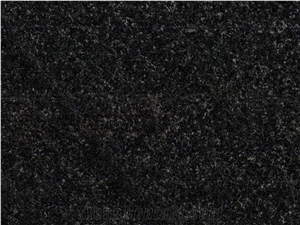
Nero Persia Granite

Granite

Iran

About

Item Details

Material Type:
Granite
Origin:
Iran (West Azerbaijan, northwest of Iran)
Recommended Usage:
kitchen and bathroom countertops, monuments, building stone, ornamental stone, stairs, interior, exterior wall and floor applications, mosaic, waterjet pattern, wall panels, table tops, window sills, balustrades, columns, wall and pool copings, pool pavers, sculptures, fireplaces, pavers, cobbles, curbstone
Additional Names:
Asian Black Granite, Asia Black Granite, Nero Persian Granite, Persian Black Granite, in China stone market:亚洲黑(Yà zhōu hēi)
Finished Surface:
Polished,Flamed,Bush Hammered,Tumbled,Brushed,Honed,Split,Machine Cut,Natural Surface,Sandblasted,Acid Washing,Combed,Leathered,Water Jet,Filled,Chiseled,Pickling

Testing

Water Absorption:
0.18–0.34 %
Density:
2680–2730 kg/m³
Flexural Strength:
15–17 MPa
Compressive Strength:
180–190 MPa

Description

Color & Appearance

Base Color: Deep charcoal to rich black background.

Pattern: Fine-grained, uniform texture with subtle cloudy or slightly mottled variations. Minimal visual noise, offering a clean and consistent appearance.

Visual Appeal: Elegant, modern, and timeless black granite. Ideal for applications requiring a refined, monochromatic aesthetic.

Texture & Structure

  • Fine-grained crystalline structure typical of high-quality granite.
  • Dense, compact, and highly durable material.
  • Low porosity with excellent resistance to wear and environmental factors.

Technical & Material Data (Typical)

  • Density: ~2.68–2.73 g/cm³
  • Water Absorption: ~0.18–0.34%
  • Compressive Strength: ~180–190 MPa
  • Flexural Strength: ~15–17 MPa
  • Abrasion Resistance: High
  • Mohs Hardness: ~6–7

Chemical & Mineral Composition (% by weight, typical)

  • Silica (SiO₂): ~70–75%
  • Aluminum Oxide (Al₂O₃): ~10–15%
  • Feldspar: ~50–65% (within total composition)
  • Quartz: ~25–35%
  • Iron Oxides (FeO + Fe₂O₃): ~2–4%
  • Alkalies (K₂O + Na₂O): ~4–6%
  • Other Trace Minerals: <1%

Surface Finish Options

  • Polished – high gloss, deep black reflective surface
  • Honed – smooth, matte finish
  • Flamed – rough, anti-slip surface for exterior use
  • Sandblasted – uniform textured finish
  • Brushed – lightly textured surface
  • Leathered – soft, natural textured finish
  • Waterjet – custom decorative designs
  • Machine-Cut – precise slabs and tiles

Usage

  • Interior flooring and wall cladding
  • Kitchen countertops and islands (acid-resistant and durable)
  • Bathroom vanities
  • Exterior paving and facades
  • Monuments, gravestones, and memorials
  • Commercial projects (lobbies, offices, public spaces)

Maintenance

  • Easy to maintain due to low porosity
  • Clean with pH-neutral stone cleaners
  • Periodic sealing recommended for polished surfaces
  • Highly resistant to scratches, heat, and chemicals
  • Suitable for high-traffic and exterior environments

Nero Persia Granite is a fine-grained, deep black natural stone known for its strength, durability, and elegant appearance. Its uniform texture and high resistance to wear make it an excellent choice for both interior and exterior applications, especially where a sleek, modern black surface is desired.

FAQ

Can Nero Persia Granite be used as a kitchen countertop?

Yes, Nero Persia Granite can be used as a kitchen countertop. Granite is a popular choice for kitchen countertops because of its durability, resistance to heat, and ease of maintenance. Nero Persia Granite, in particular, offers a dark, elegant appearance that can complement various kitchen designs. It is important, however, to ensure that it is properly sealed to prevent staining and to maintain its appearance over time. Regular maintenance and sealing can help preserve its look and functionality.

How far apart should Nero Persia Granite bollards be installed?

When installing Nero Persia Granite bollards, or any type of bollards, the spacing will depend on the intended purpose and the specific guidelines or regulations in your area. Here are some general considerations: 1. **Security and Protection:** If the primary purpose is to prevent vehicle access for security or protection purposes, bollards are typically spaced to allow pedestrian access but block vehicles. A common spacing guideline is about 3 to 5 feet (approximately 0.9 to 1.5 meters) apart. This prevents most vehicles from passing through while allowing pedestrians and wheelchair users to navigate between them. 2. **Pedestrian Flow and Accessibility:** Ensure that spacing allows for sufficient pedestrian flow and meets any accessibility requirements, such as those outlined in the Americans with Disabilities Act (ADA) in the United States. Ensure there is enough clearance for wheelchairs, strollers, and other mobility devices (at least 36 inches, or about 0.9 meters, is a common minimum for accessibility). 3. **Aesthetic and Design Considerations:** For aesthetic reasons or specific design intentions, the spacing may be adjusted to align with architectural features or for visual uniformity. 4. **Local Regulations and Standards:** Always check local building codes, zoning laws, or municipal guidelines. Some regions or cities may have specific requirements for bollard placement, especially in public spaces. 5. **Material Specific Considerations:** Since Nero Persia Granite is a heavy and durable material, consider the weight and installation method as factors in spacing, though these are usually not primary spacing determinants. Before installation, consult with a civil engineer, architect, or local regulatory body to ensure compliance with all relevant guidelines and requirements.

How can the surface of Nero Persia Granite be thermally processed using portable machines or tools?

Thermal processing of Nero Persia Granite, or any granite, involves using high temperatures to alter the surface texture. This process, often referred to as flaming, creates a rough, textured finish by exposing the stone surface to intense heat, causing the minerals within the stone to expand and some particles to pop out. Here’s how you can carry out thermal processing using portable machines or tools: 1. **Equipment**: Use a portable flame torch specifically designed for stone work. These torches are usually powered by propane or oxygen-acetylene mixtures. Make sure you also have appropriate protective gear, including gloves, goggles, and flame-retardant clothing. 2. **Preparation**: Clean the surface of the granite thoroughly to remove any dirt, dust, or debris. Mark the area that you wish to flame using chalk or a grease pencil. 3. **Setup**: Connect the portable torch to the fuel source and ensure all connections are secure. Adjust the flame size to a moderate level to begin with. 4. **Flaming Process**: - Hold the torch at an acute angle (around 30 to 45 degrees) to the surface of the granite. - Keep the flame moving constantly in a sweeping motion to avoid overheating any single area which can cause thermal shock and cracking. - Try to maintain a consistent speed and distance from the surface to achieve an even texture. - Focus on small sections at a time to ensure the heat uniformly affects the stone. 5. **Cooling**: Allow the stone to cool naturally. Avoid rapid cooling using water, as this can cause the granite to crack. 6. **Safety Precautions**: Ensure the workspace is well-ventilated to prevent the buildup of heat and potential fumes. Always be vigilant for sparks or any signs of unwanted cracking. 7. **Cleanup**: After flaming, some loose particles or dust may remain on the stones surface. Brush or wash these off gently. Remember, thermal processing requires a steady hand and some practice to achieve uniform results. It’s advisable to practice on a small sample or inconspicuous area first if you’re not familiar with the process.

Can Nero Persia Granite be used for street kerbstones?

Yes, Nero Persia Granite can be used for street kerbstones. Granite is a durable and hard natural stone, making it suitable for high-traffic areas and outdoor applications like curbs. Its resistance to weathering, abrasion, and its aesthetic appeal are additional benefits for such use. However, it is essential to consider the specific properties of Nero Persia Granite and consult with suppliers or professionals to ensure it meets all necessary specifications and requirements for street kerbstones in your area.

How can I maintain Nero Persia Granite flooring?

Maintaining Nero Persia Granite flooring involves several steps to ensure its longevity and aesthetic appeal. Here’s how you can keep your granite flooring looking its best: 1. **Regular Cleaning:** - **Sweeping:** Use a soft-bristle broom or a dust mop to regularly sweep away dust and debris that might scratch the surface. - **Mopping:** Use a damp mop with warm water and a pH-neutral cleaner specifically designed for natural stone. Avoid harsh or acidic cleaners which can damage the surface. - **Spot Cleaning:** Clean spills immediately to prevent stains. Blot the spill with a soft cloth and avoid wiping as it spreads the liquid. 2. **Sealing:** - **Application:** Granite is porous to some extent, so sealing it is important to protect against stains and moisture. Apply a high-quality granite sealant as per the manufacturer’s instructions. - **Frequency:** Generally, you should seal your granite every 1 to 3 years, but this can vary based on wear and how much traffic the area sees. 3. **Preventive Measures:** - **Rugs and Mats:** Place mats or rugs in high traffic areas and at entryways to minimize dirt and grime being tracked onto the stone. - **Furniture Pads:** Attach pads to the feet of furniture to prevent scratches when items are moved. - **Use Coasters:** Protect the surface from hot objects and reduce the risk of spills by using coasters under glasses and trivets under hot dishes. 4. **Avoiding Damage:** - **Stay Away from Vinegar and Acidic Cleaners:** These can etch and dull the surface of granite. - **Avoid Abrasive Tools:** Never use steel wool, hard brushes, or other abrasive tools as they can scratch the surface. - **Limit Weight and Impact:** Be cautious with heavy items and do not drag them across the floor. Avoid dropping things that might chip or crack the granite. 5. **Periodic Professional Maintenance:** - Consider hiring professionals for deep cleaning and maintenance every few years, especially if your granite flooring sees a lot of use. By following these guidelines, you can keep your Nero Persia Granite flooring looking beautiful and well-maintained for years to come.

Is Nero Persia Granite a suitable choice for facades in cold winter climates?

Nero Persia Granite can be a suitable choice for facades in cold winter climates, but several factors need to be considered before making a decision: 1. **Durability**: Granite is generally known for its durability and resistance to weathering. It can withstand freezing temperatures and resist cracking or chipping due to its hardness. 2. **Water Absorption**: Low water absorption is crucial for materials used in cold climates to prevent freeze-thaw cycles that can cause the stone to crack. Make sure that the specific batch of Nero Persia Granite has a low water absorption rate. 3. **Maintenance**: Darker stones, like Nero Persia, may require more frequent cleaning to maintain their appearance, especially in regions prone to snow and ice, which can lead to salt and residue build-up. 4. **Finishing**: The surface finish of the granite can affect its performance. A honed or flamed finish can enhance slip resistance, which might be beneficial if the decorated area is near pedestrian spaces. 5. **Installation**: Proper installation by experienced professionals is crucial. Ensuring that the granite is correctly sealed and there is adequate insulation and ventilation behind the facade will improve its longevity. 6. **Thermal Conductivity**: Consider the thermal properties of the granite in relation to your buildings insulation needs. Granite has relatively high thermal mass, which can be advantageous or disadvantageous depending on the building’s design. If these considerations are adequately addressed, Nero Persia Granite can be a practical and aesthetically pleasing choice for a facade in cold climates. Its always recommended to consult with a local architect or engineer familiar with your specific environmental conditions to ensure the best outcome.

Products & Prices

Hot Granite

New Granite

Post Your Request

The request includes:
  1. surface finished, size
  2. quantity required