Post Your Needs

New Grey Granite

Granite

Viet Nam

About

Item Details

Material Type:
Granite
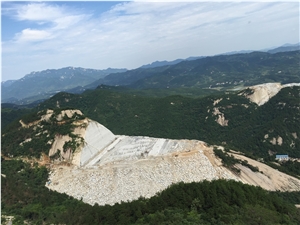
Origin:
Viet Nam
Recommended Usage:
Kitchen and bathroom countertops, monuments, building stone, ornamental stone, stairs, interior, exterior wall and floor applications, mosaic, waterjet pattern, wall panels, table tops, window sills, balustrades, columns, wall and pool copings, pool pavers, sculptures, fireplaces, pavers, cobbles, curbstone
Additional Names:
Sterling Grey Granite, New Gray Granite, in China stone market:新灰花岗岩(Xīn Huī Huā Gǎng Yán)
Finished Surface:
Polished,Flamed,Bush Hammered,Tumbled,Brushed,Honed,Split,Machine Cut,Natural Surface,Sandblasted,Acid Washing,Combed,Leathered,Water Jet,Filled,Chiseled,Pickling

Testing

Water Absorption:
≤0.2% by weight
Density:
2750 Kg/m³
Compressive Strength:
~110–120 MPa

Description

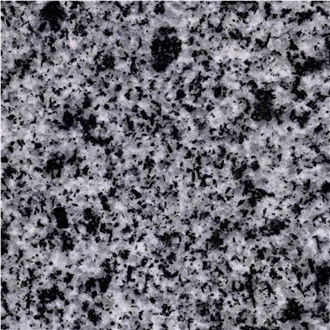
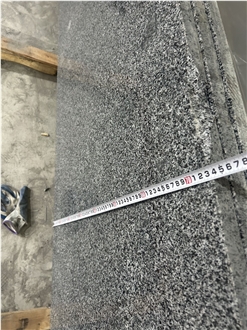
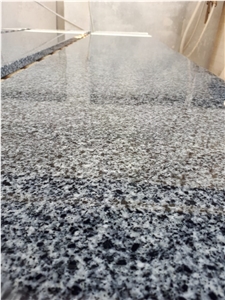
New Grey Granite is a classic natural stone with a granular, salt-and-pepper aesthetic. It features a medium grey base color, cool and neutral, which serves as a sophisticated canvas for high-contrast mineral speckles. Bright white, charcoal black, and silver flecks are distributed evenly across the surface, producing a dynamic, slightly textured appearance that is both timeless and contemporary. The pattern is consistent and uniform, with no bold veins or large swirls, making it suitable for versatile design applications.

Color: Neutral medium grey base with high-contrast speckling in white, black, and silver.

Pattern: Uniform salt-and-pepper speckle. No large veining or dramatic swirls.

Texture & Surface Finish Options:

  • Polished: reflective, glossy surface enhancing color contrast.
  • Honed: smooth, matte finish with soft sheen.
  • Flamed or Bush-Hammered: for non-slip exterior applications.
  • Sandblasted or Leathered: for tactile interior or feature walls.

Technical Specifications:

  • Density: ~2.75 g/cm³
  • Compressive Strength: ~110–120 MPa
  • Mohs Hardness: 6–7
  • Water Absorption: ≤0.2% by weight

Chemical Composition (% by weight):

  • SiO₂ (Quartz): ~65%
  • Al₂O₃ (Feldspar): ~20%
  • Fe₂O₃/MgO: ~5%
  • Other minerals: ~10%

Mineral Composition (% by weight):

  • Quartz: 60–65%
  • Feldspar: 25–30%
  • Biotite/Mica: 5–10%
  • Accessory minerals: 1–5%

Usage:

Flooring, wall cladding, countertops, stair treads, outdoor paving, and landscape design. Both interior and exterior applications suitable for residential and commercial projects.

Maintenance:

Clean with pH-neutral stone cleaners. Avoid strong acids or abrasive materials to maintain surface finish. Periodic sealing recommended for high-traffic or wet areas.

FAQ

Is vinegar ok to use on New Grey Granite countertop?

Its generally not recommended to use vinegar on granite countertops, including new grey granite. Vinegar is acidic and can etch the surface of the granite, dulling its finish over time. Instead, its best to use a pH-balanced cleaner specifically designed for natural stones or simply use mild dish soap and water. Always remember to dry the countertop thoroughly to prevent water spots or mineral deposits.

How can I permanently seal New Grey Granite polished floor tiles?

Sealing New Grey Granite polished floor tiles is important to protect them from staining and to maintain their appearance. Here’s a step-by-step guide to sealing your granite tiles: 1. **Clean the Tiles:** - Thoroughly clean the granite tiles to remove any dirt, dust, or residue. Use a pH-neutral cleaner specifically formulated for natural stone. - Rinse the surface with distilled water to remove any cleaner residue and let the tiles dry completely. 2. **Choose the Right Sealer:** - Select a penetrating or impregnating sealer that is suitable for polished granite. These sealers are absorbed into the stone, providing protection from within. - Make sure the sealer you choose is designed for granite, as some sealers may not be suitable for all types of stone. 3. **Test the Sealer:** - Before applying the sealer to the entire floor, test it on a small, inconspicuous area to ensure it does not discolor the stone or leave a residue. 4. **Apply the Sealer:** - Follow the manufacturers instructions for application. Generally, you will use a clean, lint-free cloth, sponge, or paint pad to apply the sealer. - Ensure even coverage, and avoid letting the sealer puddle on the surface. 5. **Allow the Sealer to Penetrate:** - Let the sealer penetrate the granite for the amount of time specified by the manufacturer, usually around 15 to 20 minutes. 6. **Wipe Off Excess Sealer:** - After the penetration period, use a clean, dry cloth to wipe off any excess sealer. This helps prevent hazing or streaks on the surface. 7. **Cure the Sealer:** - Allow the sealer to cure completely. This process can take anywhere from several hours to a full day, depending on the product used. Avoid using the floor during this curing time. 8. **Test for Absorption:** - Once the sealer has cured, test a small area with a few drops of water. If the water beads up, the sealer is effective. If it is absorbed, a second coat of sealer may be necessary. 9. **Reapply as Needed:** - Granite sealers wear off over time, so plan to reseal your granite floor tiles every 1-2 years, or as recommended by the manufacturer, to maintain protection. **Additional Tips:** - Always follow the specific instructions provided with your chosen sealer. - Ensure the workspace is well-ventilated during the sealing process. - Protect the surrounding areas from sealer spills. By properly sealing your granite tiles, you’ll ensure they maintain their beauty and longevity.

How to make New Grey Granite waterproof?

To make New Grey Granite or any natural stone waterproof, you can apply a sealer. Heres a step-by-step process: 1. **Clean the Surface**: Thoroughly clean the granite to remove any dirt, dust, or stains. Use a mild detergent or a stone cleaner and soft cloth or sponge. Avoid harsh chemicals or abrasive cleaners that can damage the stone. 2. **Dry the Stone**: Allow the granite to dry completely. This may take several hours or even overnight, depending on the conditions. Ensuring the stone is completely dry is crucial for the sealer to adhere properly. 3. **Choose the Right Sealer**: Select a high-quality granite or natural stone sealer. Penetrating sealers are often recommended as they absorb into the stone, providing a longer-lasting protection from within. Make sure the sealer is specifically designed for granite. 4. **Apply the Sealer**: Follow the manufacturers instructions for application. Typically, you will need to apply the sealer with a soft cloth, sponge, or brush. Apply an even coat over the entire surface, ensuring it is fully covered. 5. **Let It Penetrate**: Allow the sealer to soak into the granite for the time specified by the manufacturer, usually around 15-20 minutes. 6. **Wipe Off Excess**: After the sealer has had time to penetrate, use a clean, dry cloth to wipe off any excess sealer from the surface. This will prevent residue or streaks from forming. 7. **Multiple Coats (if necessary)**: Depending on the porosity of the stone and the type of sealer used, you may need to apply more than one coat. If applying multiple coats, allow the first coat to cure fully before applying the next. 8. **Cure**: Let the sealer cure completely, as per the manufacturer’s instructions. This can take from a few hours to a couple of days. 9. **Regular Maintenance**: Reseal the granite periodically, as recommended by the sealer manufacturer, or whenever you notice water no longer beads on the surface, which indicates the sealer is wearing off. Remember that while sealing provides a level of water resistance, it doesn’t make the stone completely impermeable. Proper maintenance and periodic resealing are key to preserving granites appearance and durability.

Does water permanently stain New Grey Granite bathroom countertop?

Water itself typically does not permanently stain granite, including New Grey Granite. Granite is generally porous, but the porosity can vary depending on the specific type and finish of the granite. If water is allowed to sit on the surface for an extended period, it may be absorbed and appear as dark spots, but these usually evaporate once dry. However, minerals in the water, like calcium or iron, can sometimes cause discoloration or build a residue if the water frequently evaporates and leaves deposits behind, leading to what might appear as staining. To prevent this, it’s a good idea to: 1. **Wipe Up Spills Quickly:** Make a habit of wiping up water or other liquids quickly to prevent any possibility of staining. 2. **Use a Sealant:** Applying a high-quality granite sealer can reduce the stones porosity, making it less likely to absorb water and other liquids. 3. **Clean Regularly:** Regularly clean the surface with a pH-balanced cleaner designed for stone surfaces to avoid any buildup. 4. **Avoid Hard Water Buildup:** If you have hard water, wiping down the countertop daily with a soft cloth can help prevent mineral deposits from forming. If you notice any marks that seem like stains, they may be due to mineral deposits rather than water damage, and they can often be removed with a granite cleaner or by gently scrubbing with a mixture of water and baking soda. If stubborn stains persist, you may need to consult a professional who specializes in stone care and maintenance.

Is New Grey Granite good for kitchen countertops?

Choosing New Grey Granite, or any type of granite, for kitchen countertops largely depends on your aesthetic preferences and functional needs. Here are some factors to consider: 1. **Durability**: Granite is generally a highly durable material, resistant to scratches and heat, making it a popular choice for kitchen countertops. New Grey Granite should offer similar properties, providing a strong and lasting surface. 2. **Appearance**: New Grey Granite likely features various grey tones and patterns, which can match well with various kitchen styles, from modern to traditional. It provides a neutral backdrop that can complement a variety of cabinet colors and finishes. 3. **Maintenance**: Granite countertops need regular sealing to prevent staining, as granite is a porous stone. You should consider whether youre willing to commit to the maintenance required to keep granite countertops in top condition. 4. **Cost**: Granite can be costly, depending on the specific type, availability, and installation process. New Grey Granite might be more affordable or expensive depending on these factors. 5. **Resale Value**: High-quality granite countertops often add value to a home. If youre considering selling in the future, they can be an attractive feature for potential buyers. 6. **Uniqueness**: Natural stone like granite has unique patterns, so each slab is different. If youre looking for a one-of-a-kind look, this could be an advantage. If these factors align with your needs and tastes, then New Grey Granite could be a good choice for your kitchen countertops. Always view samples and consult with a local supplier or installer to ensure youre making the best decision for your particular kitchen setup.

What is the typical edge type of New Grey Granite kitchen countertop?

The typical edge type for a New Grey Granite kitchen countertop can vary depending on personal preference and style. However, some common edge profiles for granite countertops include: 1. **Straight Edge**: A simple, clean, and modern look with a straight finish. 2. **Beveled Edge**: Features a 45-degree angle cut, offering a subtle decorative edge. 3. **Bullnose Edge**: A rounded edge that offers a soft and traditional appearance. 4. **Ogee Edge**: An elegant, S-shaped curve that provides a classic and sophisticated look. 5. **Half Bullnose (or Demi Bullnose) Edge**: A gentle, rounded edge that highlights the thickness of the granite. Each of these edges can complement different kitchen styles, so the choice often depends on aesthetic preference and overall kitchen design.

Can I put hot plates on New Grey Granite countertop?

Placing hot plates directly on a New Grey Granite countertop is generally safe, as granite is a naturally heat-resistant material. Granite can withstand high temperatures without being damaged, which makes it a popular choice for kitchen countertops. However, while granite itself can handle heat well, there are a few considerations to keep in mind: 1. **Sealer Protection**: Most granite countertops are sealed to protect against stains and spills. Extremely high temperatures could potentially affect the sealant over time, leading to discoloration or other damage. Using trivets or hot pads can help maintain the integrity of the sealant. 2. **Thermal Shock**: Sudden and extreme changes in temperature can cause cracks or fissures in some granite varieties. While this risk is relatively low with granite, placing hot items on cool surfaces abruptly could potentially cause damage. 3. **Safety**: To be on the safe side, it’s a good idea to use trivets or hot pads to protect both your countertop and the surface of the hot item. Overall, while granite countertops are durable and heat-resistant, using precautions like trivets can help ensure they stay in good condition for many years.

Products & Prices

View More

Hot Granite

New Granite

Post Your Request

The request includes:
  1. surface finished, size
  2. quantity required