Post Your Needs

Niwala Rosa Limestone

Pink - Limestone

Spain

About

Item Details

Material Type:
Limestone
Origin:
Spain (Albacete, Castile-La Mancha)
Primary Color(s):
Pink
Recommended Usage:
wash basins, building stone, ornamental stone, stairs, interior, exterior wall and floor applications, mosaic, waterjet pattern, wall panels, table tops, balustrades, columns, wall and pool copings, pool pavers, sculptures, fireplaces
Additional Names:
Niwala Pink Limestone, Arenisca Niwala Rosa, Arenisca Pink Fosil, Niwala Rosa Sandstone, Niwala Rose Limestone, Niwala Rosa
Finished Surface:
Polished,Bush Hammered,Tumbled,Brushed,Honed,Split,Machine Cut,Natural Surface,Sandblasted,Acid Washing,Combed,Leathered,Water Jet,Filled,Chiseled,Pickling

Testing

Water Absorption:
4.6 %
Density:
2180 Kg/m3
Flexural Strength:
71.0 - 91.29 Kg/cm2
Compressive Strength:
537.64 Kg/cm2
Stone texture:
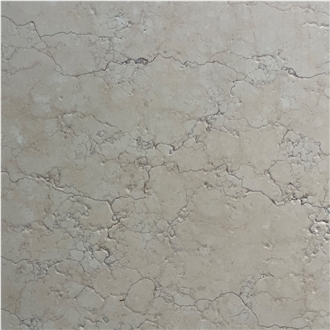
a pinkish yellow to pale pink color with an abundance of fossils biocalcarenite rock that composed of calcite and quartz. Pattern & Texture: Abundant fossil inclusions (shell fragments and bioclastic remains) create a natural, textured pattern, giving each slab a unique and organic character. The stone exhibits subtle linear or cloudy patterns in addition to the fossil details. Texture: Fine to medium grain with a slightly porous surface, typical of biocalcarenite rocks, Lumachelle (Lumaquela Biocalcirrudita) type stone.

Description

Niwala Rosa Limestone is a distinctive pinkish-yellow to pale pink limestone that is renowned for its abundance of fossils, chiefly biocalcarenite rock. It primarily consists of calcite and quartz, and its unique composition results in a beautiful, organic appearance.

Pattern & Texture:

  • Fossil Inclusions: The presence of abundant shell fragments and bioclastic remains creates a natural, textured pattern. Each slab has a unique appearance due to these organic inclusions.
  • Grain & Surface: The limestone has a fine to medium grain with a slightly porous surface, characteristic of biocalcarenite rocks. Its texture can also be aligned with the Lumachelle type of biocalcirrudita stones.
  • Pattern Variations: Subtle linear or cloudy patterns may appear alongside fossil details.

Physical and Mechanical Properties:

  • Water Absorption: 4.6%
  • Density: 2180 kg/m³
  • Flexural Strength: 71.0 - 91.29 kg/cm²
  • Compressive Strength: 537.64 kg/cm²
  • Hardness: Moderate; typical of limestone materials, making it workable.
  • Porosity: Slightly porous, affecting water absorption and needing special care for treatment against stains.
  • Slip Resistance: Varies depending on surface finish but generally moderate due to its natural texture.

Chemical and Mineral Composition (% by weight):

  • Calcite (CaCO3): Dominant component
  • Quartz (SiO2): Present in substantial amounts
  • Other Minerals: Minor amounts of clay, feldspar, and siderite may also be present, specific compositions can vary depending on the exact location within the quarry.

Usage:

  • Indoor Flooring and Wall Cladding: Due to its aesthetic appeal and texture.
  • Exterior Cladding: Occasional use in exterior applications, provided it is properly sealed.
  • Decorative Elements: Fireplace surrounds, garden decorations, and sculptures that benefit from the stone’s natural beauty.

Maintenance:

  • Sealing: Regular sealing recommended due to porosity.
  • Cleaning: Mild, non-acidic cleansers to avoid damage to calcite.

Common Surface Finish Options:

  • Polished: Enhances color and fossils but may reduce slip resistance.
  • Honed: Matte finish that balances aesthetics with practicality.
  • Brushed: Adds texture, emphasizing fossil inclusions for a more rustic look.
  • Bush-Hammered: Provides a rugged texture, enhancing slip resistance.

Niwala Rosa Limestone, with its natural beauty and unique textural properties, remains a popular choice for architects and designers seeking a distinctive and organic material for various construction and decorative projects. Regular maintenance, including sealing and appropriate cleaning, will help preserve its appearance over time.

FAQ

Can Spain's Niwala Rosa Sandstone be used in a bathroom?

Yes, Spains Niwala Rosa Sandstone can be used in a bathroom. Sandstone is a durable and water-resistant material, making it a suitable option for bathroom walls, floors, and even countertops. However, it is important to ensure that the sandstone is properly sealed to prevent water damage and staining. It is also recommended to have a professional install the sandstone in a bathroom to ensure proper sealing and longevity.

Can Spain's Niwala Rosa Sandstone be used exterior applications in very rainy climates?

I dont have the exact information about Spains Niwala Rosa Sandstone. However, sandstone is a natural stone with excellent weather resistance and durability. It can withstand harsh environmental conditions, including heavy rain and snow. Therefore, it is possible to use Niwala Rosa Sandstone for exterior applications in rainy climates. However, it is important to ensure that the stone is properly sealed and maintained to prevent water seepage and damage. Additionally, it is recommended to consult with a professional stonemason or architect to ensure that the stone is suitable for the specific application and climate.

Can Spain's Niwala Rosa Sandstone be used in landscaping?

Yes, Spains Niwala Rosa Sandstone can be used in landscaping. It is a highly durable and versatile stone that is suitable for a range of landscaping projects such as patios, pathways, garden walls, and decorative features. The light pinkish-brown color of Niwala Rosa Sandstone gives a warm and earthy look to any landscape design. Additionally, its non-slip surface makes it an ideal choice for high traffic areas.

How thick is Spain's Niwala Rosa Sandstone slabs?

I dont have access to current information regarding the thickness of Spains Niwala Rosa Sandstone slabs. However, Niwala Rosa Sandstone slabs are generally available in thicknesses of 2-3 cm and 3-4 cm.

Are there color variations of Spain's Niwala Rosa Sandstone?

Yes, there are color variations of Spains Niwala Rosa Sandstone. Although the stone is commonly described as pink or rose-colored, it can feature a range of colors from beige to reddish-brown. The intensity of the colors can vary depending on the level of iron oxide present in the stone. Additionally, the stone may have varying degrees of veining, which can also impact its color and overall appearance.

What grade is Spain's Niwala Rosa Sandstone?

I dont have access to current grades or rankings of natural stones. However, I can tell you that Nivale Rosa Sandstone is a type of natural stone that is quarried in Spain. It is often used for construction as a building stone, paving material, and for ornamental purposes due to its fine-grain texture and warm pink coloration. Its quality and grade are evaluated based on several physical and chemical characteristics, including porosity, compressive strength, density, water absorption, and durability.

What is the coefficient of friction of Polished Spain's Niwala Rosa Sandstone tiles?

I do not have access to specific coefficient of friction values for all materials. However, the coefficient of friction (COF) of polished Spains Niwala Rosa Sandstone tiles varies depending on factors such as the texture of the tile surface, the type of finish, and the amount of pressure applied. The COF can range from around 0.4 to 0.7. It is always important to check the manufacturers specifications for the specific tile being used to determine the COF.

Is Spain's Niwala Rosa Sandstone an expensive stone?

I do not have access to the current market prices of stones. However, the prices of natural stones are influenced by factors such as availability, demand, location, quality, and size. I suggest you contact a stone supplier or do further research to obtain the latest Niwala Rosa Sandstone prices.

Products & Prices

Hot Pink Limestone

New Limestone

Post Your Request

The request includes:
  1. surface finished, size
  2. quantity required