Post Your Needs

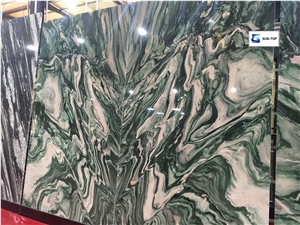
Ocean Wave Onyx

Onyx

Iran

About

Item Details

Material Type:
Onyx
Origin:
Iran (Naqadeh in the West Azerbaijan Province)
Recommended Usage:
Commercial tops, bar and bathroom countertops, ornamental stone, interior & exterior wall applications, mosaic, waterjet pattern, wall panels, table tops, fireplace surround, sculptures, balustrades, columns
Additional Names:
Ocean Wave White Jade, Sea Wave White Jade, Persian Green Onyx, Naghadeh Green Onyx, Naqadeh Green Onyx, Ocean Wave White Onyx, in China stone market:海浪白玉(Hǎilàng Báiyù), Ocean Wave Onyx
Finished Surface:
Polished,Bush Hammered,Tumbled,Brushed,Honed,Machine Cut,Natural Surface,Sandblasted,Combed,Leathered,Water Jet,Chiseled,Pickling

Testing

Water Absorption:
0.1 - 0.26 % by weight
Density:
2650 - 2730 Kg/m³
Flexural Strength:
9 – 12 MPa
Compressive Strength:
80 – 95 MPa

Description

Ocean Wave Onyx – Description & Technical Specifications

Stone Type: Calcitic Onyx

Origin: Iran – Near Naqadeh, West Azerbaijan Province

Color Profile: Grey, white, soft gold, and light green hues with flowing wave-like veining

Character: Highly decorative, semi-translucent, ideal for backlit features

Appearance & Aesthetic Character

Ocean Wave Onyx is a striking decorative stone known for its water-like wave patterns, gentle banding, and soft, fluid motion in its design. The color palette typically includes:

  • Grey waves
  • White and cloudy bands
  • Occasional golden or beige lines
  • Soft light-green hues (due to trace minerals)

When backlit, the stone exhibits a glowing translucency that enhances its flowing patterns, making it an excellent choice for luxury interiors.

Texture & Pattern

  • Texture: Fine-grained, compact, micro-crystalline calcite; smooth and silky when polished
  • Pattern: Wavy horizontal or slightly undulating bands resembling ocean currents; pattern intensity varies by block
  • Banding: Alternating translucent and opaque layers
  • Slab directions: Vein-cut: Strong horizontal wave effect, Cross-cut: Softer, cloudy, water-like flow

Typical Test / Physical Performance Data

(Values vary by block; these represent typical ranges for Iranian onyx.)

  • Bulk Density : 2.65 – 2.73 g/cm³
  • Water Absorption (% by weight) : 0.1 – 0.26%
  • Compressive Strength : 80 – 95 MPa
  • Flexural Strength : 9 – 12 MPa
  • Mohs Hardness : ~3

Chemical & Mineral Composition (Approximate % by Weight)

  • CaCO₃ (Calcite): ~95%
  • MgO: 0–1%
  • Fe₂O₃ / Iron oxides: Trace amounts (responsible for golden/yellow tones)
  • SiO₂ / Silica: Trace–minor levels in veins
  • Other trace elements: Sr, Ba, nickel, and limonite in small quantities
  • Organic and mineral inclusions produce the green and grey tones
  • This composition results in high translucency and a softer mineral structure.

Standard Sizes & Cutting Dimensions

  • Slabs: 260 × 150 cm (approximate), depending on block yield
  • Thickness: 20 mm, 30 mm
  • Tiles / Cut-to-Size Panels: 30 × 30 cm, 30 × 60 cm, 60 × 60 cm, 60 × 120 cm
  • Other custom sizes available upon request
  • Thin Backlit Panels 6–12 mm (with resin and reinforced backing)

Surface Finish Options

  • Polished – maximum color depth/translucency
  • Honed – soft and satin-like finish
  • Leathered – subtle texture
  • Sawn Cut – raw, matte finish
  • Sandblasted – textured and non-slip (decorative use only)
  • Tumbled – softened edges and aged texture
  • Bush Hammered – rugged texture (less common for onyx)

For backlit installations, polished or honed finishes with resin impregnation and mesh backing are recommended.

Recommended Uses

Interior applications only due to its softness and sensitivity to acids.

  • Backlit feature walls Lobby & hotel reception counters
  • Bathroom vanities
  • Decorative art panels
  • Bar fronts & shelves
  • Luxury spa interiors
  • Lighting elements
  • Niches & special design installations

Not suitable for heavy floor traffic or exterior freeze–thaw areas.

Maintenance Guidelines

  • Clean with neutral pH stone cleaner
  • Avoid vinegar, lemon, ammonia, bleach, or acidic agents
  • Do not use abrasive pads
  • Seal periodically (1–2 times per year depending on use)
  • Blot spills immediately (especially oils, cosmetics, wine, cleaners)
  • Professional polishing and resin touch-up recommended over time

Fabrication & Installation Notes

  • Use white or light adhesives to avoid shadowing
  • Book-match panels for the best aesthetic flow
  • Reinforce large panels with mesh backing
  • Use stainless steel anchors/supports for vertical cladding
  • Ensure even LED diffusion for backlit panels
  • Handle carefully—onyx is softer and more brittle than marble

FAQ

Does Ocean Wave Onyx splashback mosaic need to be sealed?

Yes, an Ocean Wave Onyx splashback mosaic should be sealed. Onyx is a natural stone that is porous, which means it can absorb moisture and stains. Sealing the onyx helps protect it from spills, stains, and etching caused by acidic substances. Its important to use a high-quality penetrating sealer specifically designed for natural stone to maintain the appearance and durability of the mosaic. Regularly re-sealing, as recommended by the manufacturer or a professional, will help ensure ongoing protection.

How can I remove mold from Ocean Wave Onyx wall tiles?

Removing mold from Ocean Wave Onyx wall tiles is a delicate process, as onyx is a soft and porous natural stone that can be easily damaged. Heres a step-by-step guide to safely clean mold from your onyx tiles: 1. **Gather Supplies:** - Soft cloths or microfiber towels - Mild pH-balanced stone cleaner or a mixture of warm water and a small amount of gentle dish soap - A soft-bristle brush or non-abrasive sponge - Baking soda (optional) - A spray bottle - Clean water - Stone sealer (optional, for future protection) 2. **Prepare the Cleaning Solution:** - If using dish soap and water, mix a few drops of dish soap with warm water in a spray bottle. Avoid using acidic or harsh chemicals like vinegar, bleach, or ammonia, as they can damage onyx. 3. **Test in an Inconspicuous Area:** - Before applying any cleaner to a visible area, test it in a small, hidden spot to ensure it doesn’t damage or discolor the onyx. 4. **Apply the Cleaning Solution:** - Spray the cleaning solution lightly on the affected area. Allow it to sit for a few minutes to loosen the mold. 5. **Gently Clean the Tile:** - Use the soft-bristle brush or non-abrasive sponge to gently scrub the moldy area. Avoid using excessive pressure to prevent scratches. 6. **Rinse Thoroughly:** - Dampen a clean cloth with water and gently wipe the area to remove any soap residue. It’s crucial to ensure all cleaning solution is removed to prevent streaking. 7. **Dry the Surface:** - Use a dry, soft cloth or towel to thoroughly dry the area. Mold thrives in moisture, so keeping the area dry is essential. 8. **Optional: Baking Soda Treatment:** - For stubborn mold spots, make a paste of baking soda and water. Apply it to the moldy area and allow it to sit for about 10 minutes before gently scrubbing and rinsing. 9. **Prevent Future Mold Growth:** - Ensure proper ventilation in the area to reduce humidity levels. - Consider applying a stone sealer specifically for onyx to help protect the tiles from future mold and moisture penetration. Follow the manufacturer’s instructions when applying the sealer. 10. **Routine Maintenance:** - Regularly clean your onyx tiles with a pH-balanced cleaner and keep them dry to prevent mold from returning. By following these steps, you can safely and effectively remove mold from Ocean Wave Onyx wall tiles while preserving their beauty.

How can I clean Ocean Wave Onyx wall mosaic tiles?

Cleaning Ocean Wave Onyx wall mosaic tiles requires a gentle approach to maintain their natural beauty and prevent damage. Here’s a step-by-step guide: 1. **Dust and Debris Removal**: - Start by gently dusting the tiles with a soft, dry cloth or microfiber duster to remove any loose dirt and debris. 2. **Prepare a Cleaning Solution**: - Mix a few drops of a pH-neutral stone cleaner or a mild dish soap with warm water. Avoid acidic or abrasive cleaners, as they can damage the delicate onyx surface. 3. **Test a Small Area**: - Before cleaning the entire surface, test the cleaning solution on a small, inconspicuous area to ensure it doesn’t damage or discolor the onyx tiles. 4. **Cleaning Process**: - Dip a soft cloth or sponge into the cleaning solution and wring out excess water to avoid soaking the tiles. - Gently wipe the tiles with the damp cloth or sponge, following the natural pattern of the mosaic. 5. **Rinse the Tiles**: - After cleaning, rinse the cloth or sponge with clean water and wipe the tiles again to remove any soap residue. 6. **Dry the Surface**: - Use a soft, dry towel to pat the tiles dry, preventing water spots and streaks. 7. **Regular Maintenance**: - Regularly dust the tiles and promptly wipe up any spills to prevent staining. Avoid using harsh scrubbing pads or brushes that can scratch the surface. 8. **Seal the Onyx**: - Consider sealing the onyx tiles every 1-2 years with a suitable stone sealer to protect against stains and water absorption. Follow the manufacturers instructions for the best results. By following these steps, you can effectively clean and maintain your Ocean Wave Onyx wall mosaic tiles while preserving their natural luster and beauty.

How can I clean the grout of Ocean Wave Onyx wall tiles?

Cleaning the grout between Ocean Wave Onyx wall tiles requires some care to maintain the beauty of the tile while effectively removing dirt and stains from the grout. Here are steps you can follow to clean the grout without damaging the tiles: 1. **Gather Supplies**: - A soft-bristle brush or a toothbrush - A spray bottle - Mild dish soap or a pH-neutral cleaner - Baking soda - Hydrogen peroxide - Microfiber cloths - Warm water - Grout sealer (if you plan to seal the grout afterward) 2. **Prepare the Area**: - Remove any decorative items or obstructions from the area youre cleaning to have a clear workspace. 3. **Initial Cleaning**: - Use a damp microfiber cloth to wipe down the tiles and grout, removing any surface dirt and dust. 4. **Make a Cleaning Paste**: - Mix baking soda with a small amount of water to create a thick paste. For tougher stains, mix baking soda with hydrogen peroxide instead. 5. **Apply the Paste**: - Use the toothbrush or soft-bristle brush to apply the paste onto the grout lines. Make sure to work it into the grout thoroughly. 6. **Spray with Cleaner**: - Lightly spray the grout and paste with either a mixture of water and a few drops of mild dish soap or a pH-neutral stone cleaner. Avoid acidic cleaners like vinegar or bleach since they can damage onyx. 7. **Scrub the Grout**: - Gently scrub the grout with the brush to lift dirt and stains. Be cautious not to apply too much pressure to avoid scratching the onyx tiles. 8. **Rinse the Area**: - Use a clean, damp microfiber cloth to wipe away the paste and cleaner residue. Rinse the cloth periodically in warm water to ensure thorough removal of the paste. 9. **Dry the Tiles**: - Use a separate dry microfiber cloth to buff and dry the grout and tile surfaces, preventing water spots and streaks. 10. **Optional Grout Sealing**: - Once the grout is thoroughly dry, consider applying a grout sealer to help protect it from future staining and to make future cleaning easier. By following these steps, you can clean the grout between Ocean Wave Onyx tiles effectively while preserving the integrity of the onyx. Its important to avoid abrasive materials and harsh chemicals to maintain the beauty of these natural stone tiles.

Is Ocean Wave Onyx durable enough for use as patio walkway pavers?

Ocean Wave Onyx is a type of onyx stone that is often prized for its beautiful, unique patterns and translucency. However, when it comes to using onyx as a material for patio walkway pavers, there are several factors to consider: 1. **Durability:** Onyx is a softer and more porous stone compared to alternatives like granite or quartzite. It is more susceptible to scratching, chipping, and staining, which can be a significant issue in an outdoor setting where it will be exposed to foot traffic, weather elements, and potential impacts. 2. **Weather Resistance:** Onyx does not fare well in harsh weather conditions. It can be affected by rain, freeze-thaw cycles, and UV exposure, leading to deterioration over time. 3. **Maintenance:** Onyx requires regular sealing and maintenance to protect it from damage and staining. This can be a labor-intensive process, which might not be ideal for a low-maintenance outdoor area like a patio walkway. 4. **Cost:** Onyx is generally more expensive than other natural stones used for outdoor paving, both in terms of the material itself and the maintenance costs over time. Considering these factors, Ocean Wave Onyx may not be the most practical choice for patio walkway pavers, particularly if you need a durable and low-maintenance solution. You might want to explore more suitable materials such as granite, flagstone, or concrete pavers, which are designed to withstand outdoor conditions and heavy use.

Does the surface of Ocean Wave Onyx scratch easily?

Ocean Wave Onyx is a natural stone often used in a variety of applications such as countertops, wall panels, and decorative pieces. Like most onyx stones, it is relatively soft and more susceptible to scratching and etching compared to harder stones like granite or quartzite. Its surface can be scratched more easily, especially when exposed to abrasive materials or heavy use. To maintain the beauty of Ocean Wave Onyx and minimize the risk of scratching, its important to: 1. Seal the surface regularly to provide some protection against scratches and stains. 2. Use cutting boards and trivets to avoid direct contact with sharp or hot objects. 3. Clean spills promptly with a soft cloth to prevent potential etching or staining. If you are considering using Ocean Wave Onyx in an area with heavy use, its advisable to take these precautions to preserve its appearance.

Can Ocean Wave Onyx be used for kitchen countertop?

Ocean Wave Onyx is a beautiful natural stone known for its vibrant colors and striking patterns, making it a visually appealing choice for various applications. However, when considering it for kitchen countertops, there are several factors to keep in mind: 1. **Durability**: Onyx is a softer and more porous stone compared to granite or quartz, making it more susceptible to scratching, etching, and staining. Kitchens are high-traffic areas where countertops are subjected to heavy use, so durability is a crucial consideration. 2. **Maintenance**: Onyx requires regular sealing to protect against stains and moisture. It demands more maintenance compared to more durable stones like granite or quartz. 3. **Cost**: Onyx is typically more expensive and considered a luxury material. Additionally, the cost of installation and maintenance can add up. 4. **Aesthetic Appeal**: If you are committed to using Ocean Wave Onyx for its aesthetic appeal, it might be better suited as a statement piece, such as a backsplash or an accent area, rather than as the main kitchen countertop material. 5. **Alternative Uses**: Consider using Ocean Wave Onyx in areas with less wear and tear, such as bathroom vanities or decorative pieces. If you’re set on using it for a kitchen countertop, ensure that you consult with a professional stone fabricator to evaluate the suitability and to explore ways to enhance its durability and maintain its beauty over time.

How can I repair the scratched surface of the Ocean Wave Onyx countertop?

Repairing a scratched Ocean Wave Onyx countertop requires care and precision, as onyx is a soft and porous natural stone. Heres a step-by-step guide to help you restore the surface: 1. **Clean the Countertop:** - Begin by cleaning the entire surface with a mild pH-balanced stone cleaner and a soft cloth to remove any debris or dust. - Rinse with clean water and dry the surface completely with a microfiber cloth. 2. **Assess the Damage:** - Evaluate the depth of the scratches. Shallow scratches might be resolved with polishing alone, while deeper scratches could require more intensive work. 3. **Lightly Sand (if necessary):** - For deeper scratches, consider lightly sanding the area using fine-grit sandpaper (800-1000 grit). - Gently sand in a circular motion until the scratch is reduced. Be careful not to sand too much to avoid creating dips or uneven surfaces. 4. **Polishing Compound:** - Apply a stone polishing compound designed for onyx. These compounds often come in powder form and need to be mixed with water to form a paste. - Use a clean, soft cloth or a low-speed hand buffer with a felt pad. Buff the surface gently in circular motions. 5. **Buff and Shine:** - Once the scratch is less visible and the surface feels smooth, buff the area with a dry, soft cloth to remove any residue and restore shine. 6. **Seal the Countertop:** - Onyx is porous and benefits greatly from a good sealant. Apply a suitable stone sealer to the entire surface according to the product instructions. - This will protect the countertop from future damage and enhance the appearance. 7. **Regular Maintenance:** - Clean spills immediately to prevent staining. - Use cutting boards and avoid placing heavy objects directly on the onyx to prevent future scratches. - Regularly reapply a sealer to maintain its protective layer. If you are unsure or uncomfortable performing these steps, or if the scratch is particularly deep, it is advisable to contact a professional who specializes in stone restoration.

Products & Prices

Hot Onyx

New Onyx

Post Your Request

The request includes:
  1. surface finished, size
  2. quantity required