Post Your Needs

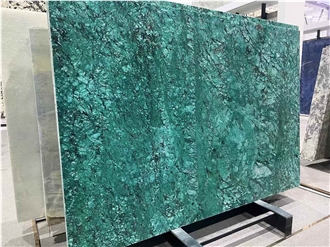
Peacock Green Quartzite

Quartzite

Brazil

About

Item Details

Material Type:
Quartzite
Origin:
Brazil
Recommended Usage:
kitchen and bathroom countertop, wash basins, building stone, ornamental stone, stairs, interior wall and floor applications, mosaic, water-jet pattern, wall panels, table tops, balustrades, columns, fireplaces, luxury furniture
Additional Names:
Verde Peacock Quartzite, Green Emerald Quartzite, Green Jadeite Quartzite, in China stone market:绿翡翠(Lǜ Fěi Cuì)
Finished Surface:
Polished,Bush Hammered,Tumbled,Brushed,Honed,Split,Machine Cut,Natural Surface,Sandblasted,Combed,Leathered,Water Jet,Chiseled,Pickling

Testing

Water Absorption:
0.15 - 0.35 % by weight
Density:
2700 - 2750 kg/m³
Flexural Strength:
13 - 17 MPa
Compressive Strength:
150 - 190 MPa

Description

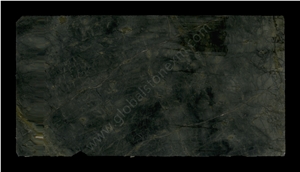
Peacock Green Quartzite features a deep, dark forest-green to almost black base, creating a dramatic and rich foundation. It is characterized by striking, iridescent golden-bronze and russet-orange veins and fibrous crystalline streaks that shimmer across the surface. The patterns have a feathery, directional texture reminiscent of peacock feathers or metallic brushstrokes.

Color & Appearance:

Peacock Green Quartzite features a deep forest-green to nearly black background, creating a dramatic and luxurious appearance. The dark base is enhanced by striking golden-bronze, russet-orange, and copper-toned mineral accents.

Texture & Structure:

The stone has a crystalline, compact texture with visible fibrous mineral structures. Certain areas may display a distinctive chatoyant or cat’s-eye effect, where the fibrous crystals reflect light in a shimmering, directional manner.

Pattern & Veining:

Bold golden-bronze and russet-orange veins and fibrous crystalline streaks sweep across the surface. The directional patterns have a feathery appearance reminiscent of peacock feathers or metallic brushstrokes. Pattern intensity and veining vary from slab to slab, making each piece unique.

Technical Characteristics – Typical/Indicative:

  • Water Absorption: 0.15–0.35% by weight
  • Density: 2,700–2,750 kg/m³
  • Flexural Strength: 13–17 MPa
  • Compressive Strength: 150–190 MPa
  • Hardness: approximately 6–7 Mohs

Mineral Composition – Indicative:

  • Quartz: 70–90% by weight
  • Feldspar: 5–15%
  • Mica: 2–8%
  • Amphibole/Pyroxene: 1–5%
  • Accessory iron-bearing and other minerals: 1–5%

Chemical Composition – Indicative:

  • SiO₂: 70–85% by weight
  • Al₂O₃: 5–12%
  • Fe₂O₃: 1–5%
  • CaO: 0.5–4%
  • MgO: 0.5–4%
  • Na₂O + K₂O: 2–8%

Uses:

Suitable for luxury kitchen countertops, islands, vanity tops, backsplashes, wall cladding, feature walls, fireplace surrounds, reception desks, bar counters, tables, furniture, flooring, and other high-end interior applications. Particularly effective where dramatic dark coloration, exotic veining, and natural light reflection are desired.

Maintenance:

Clean regularly with a soft cloth or sponge and a pH-neutral stone cleaner. Avoid acidic cleaners, vinegar, lemon juice, strong chemicals, and abrasive products. Although quartzite is relatively hard and durable, periodic sealing is recommended for countertops and other surfaces exposed to staining. Wipe spills promptly, especially oils and strongly pigmented liquids.

FAQ

Does the color of Peacock Green Quartzite vary?

Yes, Peacock Green Quartzite can vary in color. This natural stone typically features a blend of green shades, often accompanied by blue, grey, white, or even gold and brown tones. These variations occur due to the natural mineral composition and formation process. Each slab of Peacock Green Quartzite can have unique patterns and color distributions, making it a popular choice for those seeking a distinctive and vibrant look in their interior designs. Keep in mind that, as with any natural stone, the actual appearance can vary significantly from one slab to another.

Is Peacock Green Quartzite suitable for high-traffic areas flooring?

Peacock Green Quartzite can be a suitable option for high-traffic areas, but several factors should be considered before making a decision. Quartzite is a natural stone known for its durability and hardness, often comparable to granite. These characteristics generally make it a good choice for areas that experience significant foot traffic. However, there are some considerations to keep in mind: 1. **Sealing:** Like many natural stones, quartzite may require sealing to protect it from staining, especially if its used in areas prone to spills or moisture. Regular maintenance, like cleaning and re-sealing as needed, is important to maintain its appearance and durability. 2. **Slip Resistance:** The surface finish of the quartzite will affect its slip resistance. A polished finish might be more slippery when wet compared to a honed or textured finish, which might be preferred for flooring in areas that might become wet, like entryways or bathrooms. 3. **Maintenance:** Even though quartzite is durable, it requires regular cleaning and maintenance to keep it looking its best. Using appropriate cleaners and avoiding abrasive materials can help in maintaining its finish. 4. **Aesthetics:** Consider whether Peacock Green Quartzite matches the aesthetic of the area. Its unique color and pattern can be quite striking, but should complement the overall design of the space. Ultimately, while Peacock Green Quartzite is generally a suitable material for high-traffic flooring, it is essential to consider these factors and consult with a professional stone supplier or contractor who can provide specific advice based on your location and its intended use.

Can Peacock Green Quartzite be used in freeze-thaw climates?

Peacock Green Quartzite, like many natural stone materials, can be used in freeze-thaw climates, but there are several factors to consider. Quartzite is generally quite durable and less porous than some other natural stones, which can make it more resistant to weathering. However, the performance of Peacock Green Quartzite in freeze-thaw conditions will depend on its specific porosity and structural integrity. Here are some considerations: 1. **Sealing**: Applying a high-quality sealant can help reduce water absorption, which is crucial in freeze-thaw climates. Water entering the stone and freezing can cause cracking and other damage over time. 2. **Installation**: Proper installation is critical. Ensure that the substrate is well-prepared to prevent water from pooling and increasing the risk of damage. 3. **Thickness**: Using thicker stone slabs can improve its resistance to cracking during freeze-thaw cycles. 4. **Quality**: Source the quartzite from reputable suppliers who can provide information about its freeze-thaw resistance. Some stones marketed under similar names may have different properties. 5. **Maintenance**: Regular maintenance, including resealing as needed and cleaning, can extend the life of the stone in challenging climates. In summary, while Peacock Green Quartzite can be used in freeze-thaw climates, it requires careful selection, installation, and maintenance to perform well under such conditions. Consulting with a stone professional and ensuring proper installation are advisable steps when considering this material for outdoor use in such environments.

Can vinegar be used to clean a Peacock Green Quartzite kitchen countertop?

Using vinegar to clean Peacock Green Quartzite or any natural stone countertop is not recommended. Vinegar is acidic and can damage the surface of natural stones, including quartzite, by etching or dulling the polish. Instead, its better to use a pH-balanced cleaner specifically designed for natural stone or a mild dish soap mixed with water. Always use a soft cloth or sponge to clean the surface, and avoid abrasive materials that could scratch the stone. Remember to dry the surface thoroughly after cleaning to prevent water spots and maintain the stones natural beauty.

Is leathered finish Peacock Green Quartzite resistant to scratching?

Peacock Green Quartzite, like other types of quartzite, is a very hard and durable natural stone. It is generally resistant to scratching, making it a popular choice for countertops and other surfaces that are subject to heavy use. The leathered finish, in particular, adds a textured surface that can help hide minor scratches and blemishes. However, its important to note that no stone is completely scratch-proof. To maintain the appearance of Peacock Green Quartzite, its advisable to use cutting boards, trivets, and other protective measures to minimize the chance of scratches or damage. Regular cleaning and sealing (if necessary) can also help maintain the stones resilience and appearance.

Can 18 mm thick Peacock Green Quartzite be used for kitchen countertops?

Yes, 18 mm thick Peacock Green Quartzite can be used for kitchen countertops. Quartzite is a natural stone that is highly durable and resistant to heat, scratches, and staining, making it a suitable choice for kitchen countertops. However, its important to ensure that the countertop is appropriately supported due to the thickness. Typically, quartzite slabs for countertops are thicker (around 20-30 mm), so using an 18 mm slab might require additional support or substrate to ensure stability and durability. Its advisable to consult with a professional stone fabricator or installer to assess your specific needs and to ensure proper installation and support for the thinner slab. Additionally, regular sealing may be necessary to maintain the surfaces appearance and stain resistance.

Products & Prices

View More

Hot Quartzite

New Quartzite

Post Your Request

The request includes:
  1. surface finished, size
  2. quantity required