Post Your Needs

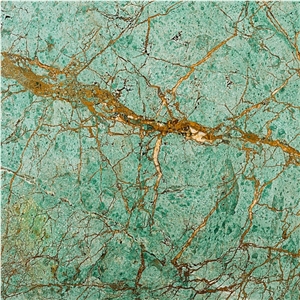
Peacocktail Labradorite Granite

Blue - Granite

Ukraine

About

Item Details

Material Type:
Granite
Origin:
Ukraine (Andrijivske (Andreyevskoye deposit))
Primary Color(s):
Blue
Recommended Usage:
Kitchen and bathroom countertops, monuments, building stone, ornamental stone, stairs, interior, exterior wall and floor applications, mosaic, waterjet pattern, wall panels, table tops, window sills, balustrades, columns, wall and pool copings, pool pavers, sculptures, fireplaces
Additional Names:
Peacock Tail Labradorite Granite, Black Labradorite Granite, Andrijivske Labradorite Granite, Peacocktail Labradorite Blue Granite, Labradorite Blue Granite, Volga Blue Granite, Peacocktail Labradorite Granite
Finished Surface:
Polished,Bush Hammered,Tumbled,Brushed,Honed,Split,Machine Cut,Natural Surface,Sandblasted,Acid Washing,Combed,Leathered,Water Jet,Filled,Chiseled,Pickling

Testing

Water Absorption:
0,05-0,09 %
Density:
2785 Kg/m3
Compressive Strength:
170 MPa

Description

Peacocktail Labradorite Granite is a stunning and distinctive natural stone celebrated for its captivating appearance. Here's a detailed description of this granite variety:

Color Palette: Peacocktail Labradorite Granite is renowned for its striking and intricate coloration. It features a midnight blue background that evokes a sense of mystery and elegance. Scattered throughout this dark base are light gray and blue accents, resembling the delicate feathers of a peacock's tail. These accents create a mesmerizing play of colors and add depth to the overall appearance of the stone.

Origin: Peacocktail Labradorite Granite is quarried in Andrijivske (Andreyevskoye deposit) of Ukraine, a region known for its unique geological formations and high-quality natural stone resources. Ukrainian granite is celebrated for its distinctive colors and exceptional craftsmanship.

Texture: The granite's durable surface is not only visually captivating but also tactile, providing a textured finish that adds character and a natural feel to the stone.

Applications: Peacocktail Labradorite Granite is a highly versatile material suitable for a variety of interior and exterior design applications. It is often chosen for kitchen countertops, bathroom vanities, flooring, wall cladding, fireplace surrounds, and various decorative elements in both residential and commercial settings.

Aesthetic Appeal: The combination of the midnight blue background with light gray and blue accents creates a sense of opulence and intrigue. The stone's appearance resembles the shimmering plumage of a peacock and is often selected for its ability to make a bold and luxurious statement in interior and exterior spaces.

Durability: Granite, in general, is known for its durability and resistance to wear and tear. Peacocktail Labradorite Granite is no exception and can withstand the demands of regular use, making it suitable for high-traffic areas.

In summary, Peacocktail Labradorite Granite is a remarkable natural stone quarried in Andrijivske, Ukraine. Its midnight blue background with light gray and blue accents exudes an air of opulence and mystery. With its versatility, durability, and the unique aesthetic qualities associated with Ukrainian granite, it adds a touch of luxury and timeless beauty to any space, making it a favored choice for a wide range of design projects.

Physico-mechanical properties
Volume weight:  2785 kg/m3
Water absorbing:  0,05-0,09 %
Compressive strength:  170 MPa
Bending strength:  -
Abradability:  0,56 g/cm2
Mineral composition (%)
Mineral Percent
Plagioclase (Labrador) 70-90
Pyroxene 10-15
Olivine 2
Biotite 1
Potash feldspar 1-2
Ore minerals 1-2
Other 0-10

FAQ

Can Peacocktail Labradorite be used for flooring in places with high pedestrian traffic?

Peacocktail Labradorite is a beautiful and unique stone, but it may not be the best choice for high pedestrian traffic areas as flooring material. Labradorite is a relatively soft stone, rated about 6-6.5 on the Mohs scale of hardness. This makes it susceptible to scratching and wear over time, especially in areas with heavy foot traffic. For high pedestrian traffic areas, it is generally recommended to use harder and more durable flooring materials such as porcelain or ceramic tiles, natural stone like granite or marble, or engineered hardwood. These materials are better equipped to withstand the stress and abrasion from constant foot traffic. If you still decide to use Peacocktail Labradorite for flooring in such areas, it would be essential to ensure proper care and maintenance. Regular sealing, protective coatings, and diligent cleaning will help to preserve the stone and minimize wear. However, it may be advisable to consult with a professional flooring specialist for guidance specific to your project and needs.

Does placing a hot pan on a Peacocktail Labradorite kitchen countertop cause any damage?

Placing a hot pan directly on a Peacocktail Labradorite kitchen countertop can potentially cause damage. Labradorite is a natural stone that may be sensitive to extreme temperatures. Sudden and direct exposure to high heat can cause thermal shock, resulting in cracks or damage to the countertop. It is recommended to use trivets, hot pads, or other heat-resistant materials to protect the countertop from direct contact with hot pans.

How thick is a Peacocktail Labradorite dining table top?

The thickness of a Peacocktail Labradorite dining table top can vary depending on the specific design and preferences of the manufacturer or buyer. However, typically Labradorite table tops are available in thicknesses ranging from 1.5 to 2 inches (3.81 to 5.08 cm).

Does Peacocktail Labradorite scratch or break easily?

Labradorite is a relatively durable stone, but it is not completely scratch or break-proof. Like any other gemstone or mineral, labradorite can be scratched by harder materials, and it can potentially break if subjected to excessive force or impact. However, labradorite is generally considered to have good toughness and is suitable for use in jewelry when properly cared for. It is recommended to handle labradorite with care, avoid rough handling, and store it separately from other harder objects to minimize the risk of scratches or damage.

Does Peacocktail Labradorite make a good choice for a kitchen countertop?

Peacocktail Labradorite is a type of granite known for its vibrant blue and green iridescent colors, making it a visually striking choice for a kitchen countertop. Labradorite is also a durable and heat-resistant stone, which makes it suitable for kitchen use. However, there are a few factors to consider before selecting Labradorite as your kitchen countertop material: 1. Maintenance: Labradorite is a natural stone and, like other granites, requires regular sealing to protect it from stains and spills. It is essential to seal the countertop at least once a year to maintain its appearance and durability. 2. Cost: Labradorite can be more expensive compared to other countertop materials. The unique and eye-catching colors and patterns contribute to its higher cost. If budget is a concern, you may want to explore alternative options that offer similar aesthetics at a lower price point. 3. Visual design: The vibrant hues and patterns of Peacocktail Labradorite can be a standout feature in your kitchen. However, its important to consider how it will fit with the overall design and style of your kitchen. If the countertops become too dominant, they may overpower other elements and make it difficult to coordinate with other color schemes or décor. Ultimately, Peacocktail Labradorite can be a great choice if you appreciate its unique beauty and are willing to invest in proper maintenance. Considering your personal preferences, budget, and interior design, its always advisable to consult with professionals to determine the best countertop material for your kitchen.

What should you not use for cleaning Peacocktail Labradorite countertops?

When cleaning Peacocktail Labradorite countertops, you should avoid using harsh or abrasive cleaners, as they can damage the surface of the stone. Additionally, avoid using acidic or alkaline cleaners, as they can cause discoloration and etching. It is best to use a mild, non-abrasive cleaner specifically designed for natural stone countertops.

What is the difference between granite and labradorite?

Granite and labradorite are both types of natural stone, but they have different compositions and characteristics. Granite is an igneous rock composed mainly of quartz, feldspar, and mica minerals. It is known for its durability and strength, making it an excellent choice for countertops, floors, and other high-traffic areas. Granite comes in a wide variety of colors and patterns, ranging from light to dark shades. It has a speckled appearance due to the presence of different minerals. Labradorite, on the other hand, is a type of feldspar mineral that belongs to the plagioclase family. It typically displays a unique optical effect known as labradorescence, where it exhibits iridescent colors such as blue, green, and yellow when light reflects off its surface. Labradorite is often used as a decorative stone in jewelry, carvings, and ornamental objects. It is not as widely used for construction purposes as granite due to its relatively softer nature. In summary, granite is a durable and versatile rock used for a wide range of applications, while labradorite is a unique feldspar mineral prized for its iridescent colors and aesthetic appeal.

What is labradorite granite?

Labradorite granite is a type of granite that contains prominent labradorite crystals. Labradorite is a feldspar mineral that exhibits a unique play of colors known as labradorescence, appearing as iridescent flashes of blue, green, yellow, and sometimes purple. This gives the granite a distinctive and captivating appearance. Labradorite granite can vary in color, with a predominantly dark base color that may range from black to gray or green, often with contrasting lighter-colored mineral inclusions. It is commonly used in countertops, flooring, and other interior and exterior applications due to its beauty and durability.

What is the physical properties of Peacocktail Labradorite?

Peacocktail Labradorite is a variety of labradorite gemstone that is known for its stunning play of iridescent colors. It exhibits a range of vibrant hues including shades of blue, green, yellow, and purple. This effect, known as labradorescence, gives the stone a unique and eye-catching appearance. In terms of physical properties, Peacocktail Labradorite is a plagioclase feldspar mineral with a hardness of around 6 to 6.5 on the Mohs scale. It has a relatively high refractive index, which contributes to its optical effects. The stone has a vitreous to sub-vitreous luster and can range in transparency from translucent to opaque. Peacocktail Labradorite typically has a prismatic or tabular crystal structure, and it may display a cleavage in one or two directions. Its specific gravity ranges from 2.68 to 2.72. Overall, Peacocktail Labradorite is primarily valued for its mesmerizing color play and is often used in jewelry and decorative applications.

Can Ukraine's Peacocktail Labradorite Granite be used exterior applications in hot climates?

Yes, Ukraines Peacocktail Labradorite Granite can be used for exterior applications in hot climates. Labradorite granite is a durable and heat-resistant stone, making it suitable for outdoor use even in high-temperature regions. Its natural properties make it highly resistant to weathering, so it can withstand the heat, rain, and UV radiation typically found in hot climates without any significant damage or fading. However, it is always recommended to consult with a professional installer or supplier to ensure proper usage and installation for your specific climate and conditions.

Products & Prices

Hot Blue Granite

New Granite

Post Your Request

The request includes:
  1. surface finished, size
  2. quantity required