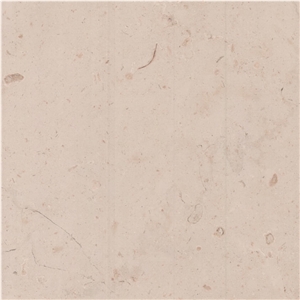
Piedra Parazoa

About
Item Details
- Material Type:
- Limestone
- Origin:
Spain (Abanilla, Murcia) - Recommended Usage:
- building stone, ornamental stone, stairs, interior and exterior wall applications, mosaic, waterjet pattern, wall panels, balustrades, columns, wall and pool copings, pool pavers, fireplaces, planters, outdoor urban furnitures
- Additional Names:
- Piedra Parazoa Limestone, Parazoa Stone, Parazoa Shellstone, Parazoa Shell Limestone
- Finished Surface:
- Polished,Bush Hammered,Tumbled,Brushed,Honed,Split,Machine Cut,Natural Surface,Sandblasted,Combed,Water Jet,Filled,Chiseled,Pickling
Testing
- Water Absorption:
- 8–12 %
- Density:
- 2300–2500 Kg/m³
- Flexural Strength:
- 4–6 MPa
- Compressive Strength:
- 25–40 MPa
Description
Piedra Parazoa, a natural fossiliferous limestone quarried in Abanilla, Murcia, Spain. This unique stone is distinguished by its light creamy beige color, porous texture, and the presence of petrified remains of ancient marine organisms, specifically sponges (subkingdom Parazoa). Its historical and geological significance, combined with aesthetic appeal, makes it suitable for both architectural and decorative applications.
Texture and Pattern
- Texture: Porous, fine to medium grain, with natural cavities and fossil impressions
- Pattern: Light beige background with visible fossil fragments of Parazoa, giving each slab a unique, organic appearance
- Surface Features: Natural pitting and subtle irregularities due to fossil content
Technical Specifications
- Density : 2.3–2.5 g/cm³
- Water Absorption : 8–12%
- Compressive Strength : 25–40 MPa
- Flexural Strength : 4–6 MPa
- Mohs Hardness : 3–4
Chemical Composition (% by weight)
- CaO (Calcium Oxide): 53–55%
- MgO (Magnesium Oxide): 1–2%
- SiO₂ (Silica): 1–3%
- Al₂O₃ (Alumina): 0.5–1.5%
- Fe₂O₃ / FeO: 0.1–0.3%
Mineral Composition (% by weight)
- Calcite: 95–97%
- Quartz: 1–2%
- Fossil Remains (Parazoa): 1–2%
- Minor trace minerals: <1%
Usage Applications
- Architectural: Facades, cladding, decorative walls, columns
- Interior Design: Flooring, feature walls, countertops
- Landscape and Garden: Outdoor paving, planters, sculptures
- Specialty Applications: Museum displays, historical restoration projects
Maintenance
- Clean with a pH-neutral detergent; avoid acidic or abrasive cleaners
- Sealant recommended for outdoor applications to protect from water absorption
- Wipe spills immediately to prevent staining
- Periodic re-sealing maintains color and durability
FAQ
Piedra Parazoa fossiliferous limestone can be suitable for sculpturing, but several factors should be considered before deciding to use it for this purpose:
1. **Texture and Workability:** Fossiliferous limestone typically contains fossilized remains of marine organisms, which can add unique textures and patterns to the stone. This can be an advantage for decorative sculptural works. The workability of the stone depends on its specific density and hardness, which can vary. Softer limestone tends to be easier to carve.
2. **Durability and Weather Resistance:** While limestone is generally durable, its suitability for outdoor sculptures depends on the environmental conditions it will be exposed to, such as moisture and temperature fluctuations. Some limestone types may be more susceptible to weathering and erosion, especially in outdoor settings.
3. **Aesthetic Qualities:** The presence of fossils can enhance the aesthetic appeal of the sculpture, giving it a distinctive and natural look. The color and fossil patterning may contribute positively to the visual impact of the final artwork.
4. **Skill and Tools Required:** Working with fossiliferous limestone may require specialized tools and techniques, especially when it comes to preserving fine fossil details or achieving a smooth finish.
5. **Availability and Cost:** The accessibility and price of Piedra Parazoa limestone in your region might influence its practicality as a sculptural material.
Ultimately, the decision to use this type of limestone for sculpting should weigh its artistic potential against the technical challenges and desired final appearance of the sculpture.
Is Piedra Parazoa fossiliferous limestone a suitable choice for gravestones?
Piedra Parazoa fossiliferous limestone can be a suitable choice for gravestones, but there are several factors to consider:
1. **Durability**: Limestone is generally softer and more porous than granite or marble, which are commonly used for gravestones. This means it might weather more quickly over time, especially in harsh climates with significant freeze-thaw cycles or acid rain.
2. **Aesthetics**: Fossiliferous limestone, like Piedra Parazoa, often contains noticeable fossil inclusions, which can give the stone a unique and attractive appearance. This could be a desirable aesthetic quality for a gravestone, providing a distinct and personal touch.
3. **Cost**: Limestone is usually less expensive than granite or marble, which might be a consideration depending on budget constraints.
4. **Maintenance**: Due to its porosity, limestone can require more maintenance than harder materials to keep it looking clean and legible.
5. **Historical/Cultural Significance**: If there are specific cultural or historical preferences for using fossiliferous limestone in gravestones, it might be more appropriate for certain people or communities.
In summary, while Piedra Parazoa fossiliferous limestone can be used for gravestones, its important to weigh the factors of durability, aesthetics, cost, and maintenance based on the specific requirements and environmental conditions where the gravestone will be placed.
Does the surface of Piedra Parazoa fossiliferous limestone scratch easily?
The ease with which the surface of Piedra Parazoa fossiliferous limestone scratches can generally be understood by considering the hardness of limestone. Limestone typically has a Mohs hardness of about 3 to 4, which means it is a relatively soft rock. This makes it susceptible to scratching from harder materials. If the Piedra Parazoa fossiliferous limestone contains any impurities or fossil fragments that are harder, this could affect its overall scratch resistance. However, in general, limestone is not particularly resistant to scratching compared to harder stones like granite or quartz. If preservation of the surface is a concern, care should be taken to protect it from contact with harder materials.
Can Piedra Parazoa fossiliferous limestone be used for swimming pool coping?
When considering materials for swimming pool coping, several factors need to be taken into account, such as durability, slip resistance, aesthetic appeal, and resistance to weathering and chemicals commonly found in pool environments.
Piedra Parazoa fossiliferous limestone is a type of natural stone that features fossil imprints and is valued for its unique appearance. In general, limestone can be used around swimming pools; however, there are some considerations:
1. **Porosity and Absorption**: Limestone is a porous material, meaning it can absorb water and pool chemicals. This could lead to staining or degradation over time. Sealing the limestone can mitigate some of these effects, but regular maintenance would be necessary.
2. **Durability**: While limestone is relatively durable, it is softer and less dense compared to other stones like granite or travertine. It might be more susceptible to wear and impact damage, especially in an outdoor environment.
3. **Slip Resistance**: The surface finish of the limestone will affect its slip resistance. A honed or textured finish would be more suitable for pool coping to reduce the risk of slipping.
4. **Environmental Conditions**: If you are in an area with freeze-thaw cycles, the porosity of limestone might cause it to crack or spall unless it is properly sealed and maintained.
5. **Aesthetic Fit**: Piedra Parazoa fossiliferous limestone will have a distinctive look due to its fossils and coloring. It should fit well with the desired aesthetic of the pool and surrounding area.
If you decide to use Piedra Parazoa fossiliferous limestone for pool coping, ensure it is properly treated and sealed, and be prepared for ongoing maintenance to preserve its appearance and functionality. It may also be a good idea to consult with or hire a professional familiar with using natural stone in outdoor and pool settings.
Can Piedra Parazoa fossiliferous limestone be used as a kitchen countertop?
Using Piedra Parazoa fossiliferous limestone as a kitchen countertop is feasible but comes with considerations typical of limestone materials. Limestone, being a sedimentary rock, is generally softer and more porous than other stones such as granite or quartz. This means it can be more susceptible to scratches, staining, and acid damage from substances like lemon juice or vinegar.
To use it as a kitchen countertop, it would require regular sealing to protect against staining and to minimize absorption. Additionally, care must be taken to use cutting boards and trivets to prevent scratches and thermal shock. Some people do appreciate the natural and unique fossil patterns limestone offers, which can add an aesthetic appeal to a kitchen.
Ultimately, while it is possible to use Piedra Parazoa fossiliferous limestone in a kitchen, it requires more care and maintenance than some other countertop materials. If durability and low maintenance are priorities, alternatives may need to be considered.
How can I maintain fossiliferous limestone, Piedra Parazoa flooring?
Maintaining fossiliferous limestone, such as Piedra Parazoa, requires regular care and attention to preserve its appearance and integrity. Here are some steps you can follow to maintain your flooring:
1. **Regular Cleaning:**
- **Sweeping or Dust Mopping:** Use a soft-bristle broom or a dust mop regularly to remove dust and debris. This prevents scratches and wear from abrasion.
- **Damp Mopping:** Use a damp mop with warm water for routine cleaning. Avoid using excessive water as limestone is porous and can absorb moisture.
2. **Choosing the Right Cleaners:**
- Use pH-neutral or specifically formulated limestone cleaners. Avoid acidic or alkaline cleaners, such as vinegar or bleach, as they can damage the stone.
- Test a new cleaner on a small, inconspicuous area first to ensure it does not cause any discoloration or damage.
3. **Stain Prevention:**
- Wipe up spills immediately to prevent stains. Limestone is susceptible to staining from acidic substances like wine, juice, or cleaning agents.
- Use coasters, trays, or mats under glasses, particularly for liquids.
4. **Sealing:**
- Regularly inspect the sealing of the stone, and reseal the flooring as needed. Sealing helps protect the stone from stains and moisture. Depending on usage, this may be needed every 6 to 12 months or as recommended by the manufacturer.
5. **Avoid Abrasive Tools:**
- Do not use harsh cleaning tools like steel wool or abrasive scrubbing pads which can scratch the surface.
6. **Managing Heavy Furniture:**
- Use felt pads or protective mats under furniture legs to avoid scratches or indentations when moving furniture.
7. **Professional Maintenance:**
- For deep cleaning or restoration, consider hiring a professional stone care service. They can provide appropriate treatments like honing or polishing if needed.
8. **Environmental Precautions:**
- Maintain a consistent humidity level in the room to prevent damage due to expansion and contraction.
- Use blinds or curtains to prevent prolonged exposure to direct sunlight, which can cause discoloration.
By following these guidelines, you can extend the life and beauty of your fossiliferous limestone flooring, ensuring it remains a stylish and durable addition to your home.
Is Piedra Parazoa fossiliferous limestone a suitable choice for facades in cold winter climates?
When considering Piedra Parazoa fossiliferous limestone for facades in cold winter climates, several factors need to be taken into account:
1. **Durability**: Limestone is a sedimentary rock that can be susceptible to weathering, especially in harsh climates. Freeze-thaw cycles, which are common in cold winter areas, can cause water trapped in the porous stone to expand and contract, potentially leading to cracking or spalling.
2. **Porosity and Water Absorption**: Limestone is generally more porous than other stones such as granite. A high level of porosity can lead to greater water absorption, increasing the risk of damage from freeze-thaw cycles. It is important to seal the stone properly to reduce water infiltration.
3. **Thermal Performance**: The thermal performance of the stone should be assessed, as it can affect energy efficiency. Limestone generally has good thermal mass properties, storing and slowly releasing heat, which can be beneficial, but this might vary with specific stone types.
4. **Maintenance**: Consider ongoing maintenance requirements, such as sealing and cleaning, to preserve the stones appearance and integrity over time.
5. **Aesthetic and Architectural Considerations**: Besides structural and weather-related factors, the aesthetic qualities of the limestone, such as its fossiliferous texture, should align with the architectural vision.
If you are set on using Piedra Parazoa for its visual appeal, consulting with an architect or stone specialist who can assess your specific site conditions and recommend appropriate treatments or installations is advised. Additionally, sourcing specifications from suppliers that have tested the stone in similar environmental conditions can provide further assurance of its suitability for your project.