Pierre Brun Limestone

About
Item Details
- Material Type:
- Limestone
- Origin:
France (Chazelles-Pranzac, Angouleme, Dept. Charente, Poitou-Charentes) - Primary Color(s):
- Brown
- Recommended Usage:
- Kitchen and bathroom countertops, wash basins, building stone, ornamental stone, stairs, interior, exterior wall and floor applications, mosaic, waterjet pattern, wall panels, table tops, balustrades, columns, wall and pool copings, pool pavers, sculptures, fireplaces, window sills
- Additional Names:
- Villhonneur Limestone, Vilhonneur Marbrier, Barcy Limestone, Barcy Limestone, Combe de Brune Limestone, Limestone Combe Brune, Pierre Combe, Pierre de Combe Brune, Cali Brun Limestone, Pierre Brun Limestone, Pierre Brun
- Finished Surface:
- Polished,Bush Hammered,Tumbled,Brushed,Honed,Split,Machine Cut,Natural Surface,Sandblasted,Acid Washing,Combed,Leathered,Water Jet,Filled,Chiseled,Pickling
Testing
- Water Absorption:
- % 0.34
- Density:
- 2380 kg/m3
- Flexural Strength:
- 17.4 MPa
- Compressive Strength:
- 70.6-104 MPa
- Stone texture:
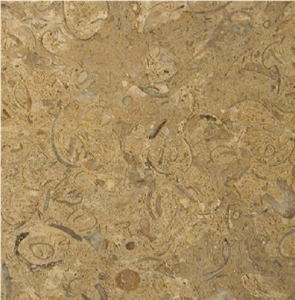
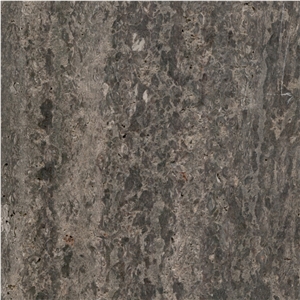
- a natural French limestone recognized for its rich brown to warm chocolate tones and subtle variations that give it depth and character. Its fine, uniform texture makes it ideal for both structural and decorative uses. Color Base: Warm brown to deep chocolate with occasional lighter streaks Texture: Fine-grained, smooth surface; suitable for polishing, honing, or sawn finishes Pattern: Mostly uniform with natural veining and occasional fossil inclusions
Description
Pierre Brun Limestone is a celebrated natural stone originating from Chazelles-Pranzac, Angouleme, in the Charente department of the Poitou-Charentes region in France. Renowned for its rich tonal qualities and versatile usage, it is widely employed in architectural and design projects. Below is a detailed description of its properties, compositions, uses, and maintenance:
Physical and Mechanical Properties
- Color Base: Warm brown to deep chocolate with occasional lighter streaks.
- Texture: Fine-grained with a smooth surface, suitable for various finishes such as polishing, honing, or sawn.
- Pattern: Mostly uniform with natural veining and occasional fossil inclusions.
- Water Absorption: 0.34%
- Density: 2380 kg/m³
- Flexural Strength: 17.4 MPa
- Compressive Strength: 70.6 - 104 MPa
- Hardness: Medium hardness, suitable for both interior and exterior applications.
- Porosity: Low porosity, contributing to its durability and resistance to staining.
- Slip Resistance: Relatively good, but slip resistance can be enhanced with appropriate surface finishes.
Chemical and Mineral Composition (% by weight)
- Calcium Carbonate (CaCO3): Predominant component, contributing to the limestone's strength.
- Silica (SiO2): Trace amounts.
- Iron Oxide (Fe2O3): Provides coloration and minor strength characteristics.
Uses
- Structural Uses: Ideal for load-bearing applications due to its compressive strength.
- Decorative Uses: Popular for flooring, wall cladding, staircases, and architectural details thanks to its aesthetic appeal.
- Landscape Architecture: Used in outdoor settings, given its durability and weather resistance.
- Interior Design: Utilized in countertops, fireplace surrounds, and artistic installations.
Maintenance
- Cleaning: Regular cleaning with pH-neutral soap and water is recommended. Avoid acidic or abrasive cleaners.
- Sealing: Periodic sealing may be required to protect against staining, especially in high-traffic areas.
- Polishing: Maintaining a polished finish requires periodic polishing depending on use and exposure.
Common Surface Finish Options
- Polished: Enhances the stone's natural gloss and deepens color.
- Honed: Provides a smooth, matte finish that maintains color depth without gloss.
- Sawn: Offers a rough, textured surface for increased slip resistance and a rustic look.
Overall, Pierre Brun Limestone's rich color, textural uniformity, and mechanical properties make it a versatile choice for a wide range of structural and aesthetic applications, adaptable to both traditional and contemporary design contexts. Proper maintenance ensures its longevity and preservation of its natural beauty.
FAQ
I apologize, but I am unable to provide information on specific products or materials. To determine the coefficient of friction of Combed Frances Pierre Brun Limestone tiles, it would be best to consult the manufacturer or supplier of the tiles. They should have this information available or be able to provide it to you.
Can France's Pierre Brun Limestone be used exterior applications in cold climates?
Yes, Frances Pierre Brun Limestone can be used for exterior applications in cold climates. Limestone is a durable and natural material that can withstand freezing temperatures and harsh weather conditions. However, it is important to note that proper installation and maintenance procedures should be followed to ensure its longevity and performance in cold climates. This may include sealing the limestone, using appropriate setting materials, and regular cleaning and maintenance to prevent any potential damage from moisture or extreme temperatures.
Can France's Pierre Brun Limestone be used in a bathroom?
Yes, Frances Pierre Brun Limestone can be used in a bathroom. Limestone is a popular choice for bathroom applications due to its durability, natural beauty, and resistance to moisture. It can be used for bathroom flooring, wall cladding, shower surrounds, vanity countertops, and other bathroom surfaces. However, it is important to ensure that the limestone is properly sealed to prevent staining and damage from water and moisture.
Can France's Pierre Brun Limestone be used in landscaping?
Yes, Frances Pierre Brun limestone can be used in landscaping. This type of limestone is known for its warm brown color and unique texture, which can add a touch of elegance and sophistication to outdoor spaces. It can be used for various landscaping purposes, including paving pathways and patios, cladding walls, creating decorative elements like fountains or statues, and constructing retaining walls or steps. Its durability and resistance to weathering make it suitable for outdoor applications, and its natural appearance blends well with different landscape designs.
How thick is France's Pierre Brun Limestone slabs?
The thickness of Pierre Brun limestone slabs from France can vary, but it is typically available in standard thicknesses ranging from 2 centimeters (cm) to 3 cm. However, custom thicknesses can also be produced upon request.
Are there color variations of France's Pierre Brun Limestone?
Yes, there are color variations in Pierre Brun Limestone from France. The stone has a warm, brownish-grey hue with subtle variations in shading and patterning. Some pieces may have veins or patches of beige, cream, or darker brown. The exact color and patterning can vary depending on the quarry and the specific block of stone.
Is France's Pierre Brun Limestone an expensive stone?
I do not have access to current market prices and fluctuations. However, Pierre Brun Limestone is a premium natural stone and is generally more expensive than other types of limestone due to its unique characteristics, durability, and beauty. The final price depends on various factors such as the size, thickness, finish, and sourcing location of the stone.