Post Your Needs

Polaris Gold Quartzite

Quartzite

Brazil

About

Item Details

Material Type:
Quartzite
Origin:
Brazil (Ceará)
Recommended Usage:
Kitchen and bathroom countertops, wash basins, building stone, ornamental stone, stairs, interior, exterior wall and floor applications, mosaic, waterjet pattern, wall panels, table tops, balustrades, columns, wall and pool copings, pool pavers, fireplaces
Additional Names:
Macaubas Fantasy Gold Quartzite, Polaris Giallo Quartzite, Polaris Gold Quartzite
Finished Surface:
Polished,Bush Hammered,Tumbled,Brushed,Honed,Split,Machine Cut,Natural Surface,Sandblasted,Combed,Leathered,Water Jet,Filled,Chiseled,Pickling

Testing

Water Absorption:
0.12% – 0.40% by weight
Density:
2670 – 2720 kg/m³
Flexural Strength:
19 – 26 MPa
Compressive Strength:
150 – 160 MPa

Description

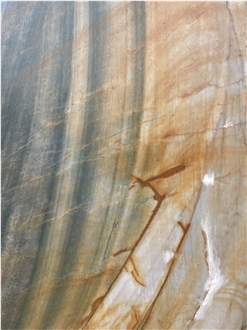
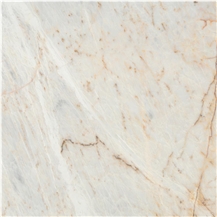
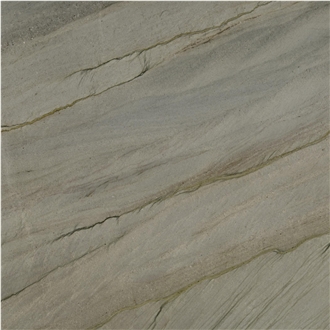
Polaris Gold Quartzite is a luxurious, high-performance natural stone quarried in Brazil, prized for its durability, exotic beauty, and vibrant multicolor veining. It features a grey-white base enriched with dramatic veins of gold, honey, sage green, charcoal, and subtle blue undertones. The presence of rutile crystals gives the surface a fine metallic shimmer, adding depth and a subtle three-dimensional radiance. When book-matched, Polaris Gold Quartzite forms breathtaking panoramic compositions that resemble sunrise landscapes, making it a preferred stone for premium interior design.

Appearance, Texture & Pattern

Base Color

  • Grey-white to cool white background
  • Occasional warm undertones depending on quarry layer

Veining & Movement- Broad sweeping veins in:

  • Gold / Honey
  • Sage green
  • Dark charcoal / graphite
  • Blue-grey highlights

Texture

  • Fine to medium grain
  • Slightly crystalline structure
  • Metallic glints due to rutile inclusions

Visual Effects

  • Exotic, three-dimensional depth
  • High contrast between warm gold and cool greys
  • Ideal for book-matched slabs creating dramatic scenic views

Technical Test Results

(Typical Values) (Quartzite values vary slightly by quarry layer; below are standard industry ranges.)

Physical / Mechanical Properties

  • Water Absorption : 0.12% – 0.40% by weight
  • Density : 2,660 – 2,720 kg/m³
  • Compressive Strength : 150 – 160 MPa
  • Flexural Strength : 19 – 26 MPa
  • Abrasion Resistance : 19 – 23 mm
  • Modulus of Rupture : 15 – 20 MPa
  • Mohs Hardness : 6.5 – 7
  • Classification: True quartzite
  • Key Traits: Extremely strong, highly scratch-resistant, heat-resistant

Chemical & Mineral Composition(% by weight)

Mineral Composition

Quartz: 85–95%

Rutile (TiO₂ crystals): 1–3%

Mica (muscovite/biotite): 1–5%

Hematite/Goethite (iron oxides): 0.5–3%

Feldspar: 1–4%

Chemical Composition

  • SiO₂ (Silica): 85–95%
  • Al₂O₃: 1–5%
  • Fe₂O₃ (Iron Oxides): 1–3%
  • TiO₂: 1–2%
  • CaO / MgO: <1%

Recommended Usage

Interior Applications

  • Kitchen countertops & islands
  • Backsplashes
  • Bathroom vanities
  • Shower walls
  • Accent feature walls
  • Flooring (high-traffic areas)
  • Fireplace surrounds
  • Luxury furniture (tables, bar tops)

Exterior Applications

  • Exterior wall cladding
  • Outdoor kitchens
  • Patios and terraces

Note: Heat, scratch, and UV-resistant—excellent for indoor/outdoor use.

Maintenance Guidelines

  • Clean with pH-neutral stone cleaner
  • Seal regularly (1× per year recommended for countertops)
  • Avoid prolonged contact with strong dyes or oils
  • Wipe spills immediately to prevent deep staining
  • Heat-resistant, but trivet use is recommended for long-term preservation
  • Avoid abrasive pads on polished finishes

FAQ

How can I clean the grout of Polaris Gold Quartzite wall tiles?

Cleaning the grout of Polaris Gold Quartzite wall tiles involves careful handling to avoid damaging the stone. Heres a step-by-step guide: 1. **Gather Supplies**: Youll need a pH-neutral stone cleaner or a mild detergent, warm water, a soft-bristled brush or an old toothbrush, a microfiber cloth, and a sponge. For deeper cleaning, you might consider using a grout cleaner specifically formulated for use with natural stone. 2. **Test First**: Before applying any cleaning solution, test it in a small, inconspicuous area to ensure it doesnt damage the stone or alter its color. 3. **Prepare the Cleaning Solution**: Dilute your pH-neutral stone cleaner or mild detergent with warm water according to the instructions on the label. 4. **Apply the Solution**: Use a sponge to apply the cleaning solution to the grout lines. Avoid spreading it over the tiles extensively to protect the quartzite. 5. **Scrub Gently**: Use a soft-bristled brush or toothbrush to gently scrub the grout. Be careful not to use too much pressure to avoid any scratching or damage to the stone or grout. 6. **Rinse**: Wipe down the area with a clean, damp sponge or microfiber cloth to remove any remaining cleaning solution and dirt. 7. **Dry**: Use a dry microfiber cloth to remove any excess water, helping to prevent water spots or streaks on the quartzite. 8. **Seal If Needed**: If your grout is cement-based and not epoxy-based, consider sealing it after cleaning to protect against future stains. Make sure the sealer is appropriate for use on natural stone grout. 9. **Regular Maintenance**: To keep grout looking clean, regularly wipe down the tiles and grout with warm, soapy water, and promptly clean up any spills. 10. **Professional Cleaning**: If the grout is heavily stained or discolored, you might need to hire a professional cleaner who specializes in natural stone to avoid potential damage. Remember to always avoid acidic or abrasive cleaners, as these can damage both the grout and the quartzite tiles.

I have a Polaris Gold Quartzite tabletop with a vein that looks broken. Should I glue it?

If you have a Polaris Gold Quartzite tabletop with a vein that appears broken, whether or not to glue it depends on the severity and nature of the break. Here are some steps you can follow to assess and address the issue: 1. **Inspect the Damage:** - Assess the extent of the break or crack. Is it a surface issue, or does it affect structural integrity? - Check if the broken part is still attached or if it has completely separated. 2. **Consider Professional Help:** - If the damage seems significant, it might be best to consult a professional stone repair specialist. They can assess the situation and recommend proper repair techniques. 3. **DIY Repair:** - If the damage is minor and you feel comfortable proceeding yourself, you can try to fix it using stone adhesive or epoxy resin designed for stone repairs. - Clean the area thoroughly before applying any adhesive to ensure proper bonding. - Follow the adhesive’s instructions regarding application, drying time, and necessary precautions. 4. **Color Matching:** - If you are fixing it yourself, ensure you select an adhesive or filler that closely matches the color of your quartzite to make the repair less noticeable. 5. **Prevention:** - Once repaired, take measures to prevent further damage by using coasters, placemats, and avoiding heavy impacts on the tabletop. Repairing a broken vein in quartzite can be delicate work, so proceeding with care or seeking professional assistance is advisable if you are uncertain.

My Polaris Gold Quartzite bathroom countertop has turned yellow; how can I restore it to its original color?

Restoring your Polaris Gold Quartzite countertop to its original color can be achieved with some careful cleaning and maintenance: 1. **Deep Cleaning**: Begin with a deep clean to remove any surface stains or debris. - Use a pH-neutral stone cleaner. Avoid acidic or abrasive cleaners, as they can damage the quartzite surface. - Mix the cleaner with warm water according to the manufacturers instructions. - Use a soft cloth or a non-abrasive sponge to gently scrub the surface. 2. **Removing Stains**: Address any specific stains that might be causing the yellowing. - Create a poultice using baking soda and water for organic stains, or hydrogen peroxide for tougher stains. - Apply the poultice to the stained area, cover it with plastic wrap, and let it sit overnight. - Gently wipe it away the next day with a damp cloth. 3. **Rinsing and Drying**: Ensure all cleaning agents are rinsed thoroughly from the surface. - Use clean water to rinse the counter. - Dry with a clean, soft towel to prevent water spots. 4. **Sealing the Stone**: If the stone was originally sealed, it might need resealing. - Check if water beads on the surface. If not, it likely needs a seal. - Use a high-quality stone sealer suitable for quartzite. - Apply following the instructions on the product label, typically by spreading evenly, allowing it to penetrate, and wiping off excess. 5. **Professional Restoration**: If yellowing persists, consult a professional stone restoration service. - Professionals can assess the damage and may perform more intensive treatments like honing or polishing. 6. **Preventive Measures**: To avoid future yellowing, take preventive steps. - Wipe up spills immediately. - Use coasters and trivets to protect from hot items. - Regular cleaning with a pH-neutral cleaner can maintain the stones appearance. Always test cleaning products in a small, inconspicuous area to ensure they do not damage the stone. If you are unsure about any step, consider reaching out to a professional for advice tailored to your specific situation.

Will a hot pot leave a mark on a Polaris Gold Quartzite kitchen countertop?

Polaris Gold Quartzite is a natural stone that is known for its durability and heat resistance. However, even though quartzite is more resistant to heat compared to some other materials, theres still a potential risk of thermal shock or damage if you place a very hot pot directly on the surface. To minimize the risk of leaving a mark or causing any damage to your quartzite countertop, it is advisable to use trivets or hot pads. This will protect the surface from sudden changes in temperature, which can sometimes cause discoloration or even lead to cracking. Its always better to be cautious to maintain the appearance and longevity of your countertops.

If lemonade spills on a Polaris Gold Quartzite kitchen countertop, will it damage the surface?

Polaris Gold Quartzite is a natural stone that is generally durable and resistant to scratches and heat. However, like many natural stones, quartzite can be susceptible to etching or staining from acidic substances, such as lemon juice found in lemonade. If lemonade spills on a quartzite countertop, it is important to clean it up promptly to minimize any potential damage. Wipe up the spill immediately with a soft cloth or paper towel and rinse the area with water. You may also want to use a stone cleaner specifically formulated for natural stone to ensure that the surface is fully cleaned without any risk of damage. Regular sealing of the quartzite can also help protect it from staining and etching due to spills.

Can I use bleach when cleaning a Polaris Gold Quartzite kitchen countertop?

Using bleach on a Polaris Gold Quartzite kitchen countertop is generally not recommended. Quartzite is a natural stone, and while it is strong and durable, harsh chemicals like bleach can potentially damage the surface. Bleach can dull the finish and cause discoloration, as well as degrade any sealant applied to the stone. For routine cleaning, its best to use a pH-balanced cleaner or a mixture of warm water and a mild dish soap. Always use a soft cloth or sponge to avoid scratching the surface. Additionally, to maintain the countertops appearance and protect it from stains, resealing it periodically per the manufacturers instructions is advisable. If youre dealing with tough stains or specific cleaning issues, consult with a professional or refer to the care instructions provided by the countertop supplier.

If I cut meat directly on my Polaris Gold Quartzite kitchen countertop, will it damage the surface?

Cutting directly on your Polaris Gold Quartzite countertop is not recommended. Quartzite is a natural stone and is generally very durable and resistant to heat and scratches. However, using a sharp knife directly on the surface can still potentially cause scratches or dull your knife over time. Additionally, raw meat can introduce bacteria to the surface, which could lead to food safety issues if not properly cleaned. To protect both your countertop and your kitchen utensils, it’s best to use a cutting board when preparing food.

Products & Prices

Hot Quartzite

New Quartzite

Post Your Request

The request includes:
  1. surface finished, size
  2. quantity required