Post Your Needs

Polaris White Quartzite

White - Quartzite

Brazil

About

Item Details

Material Type:
Quartzite
Origin:
Brazil
Primary Color(s):
White
Recommended Usage:
Kitchen and bathroom countertops, monuments, building stone, ornamental stone, stairs, interior, exterior wall and floor applications, mosaic, waterjet pattern, wall panels, table tops, window sills, balustrades, columns, wall and pool copings
Additional Names:
Quartzito Polaris, Polaris Bianco Quartzite, Branco Polaris Quartzite, White Polaris Quartzite, Polaris White Quartzite
Finished Surface:
Polished,Bush Hammered,Tumbled,Brushed,Honed,Split,Machine Cut,Natural Surface,Sandblasted,Combed,Leathered,Water Jet,Filled,Chiseled,Pickling

Description

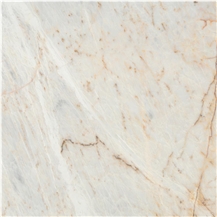
Polaris White Quartzite showcases a captivating color palette and a distinctive pattern, combining to create a luxurious and elegant appearance:

Ice White Background: The base color of the quartzite, presenting a pristine and cool white reminiscent of icy landscapes.

Creamy Beige Soft Veining: Delicate and flowing veins in creamy beige traverse the surface, adding warmth and a touch of sophistication to the overall pattern.

Quarry Origin: Quarried in Brazil, Polaris White Quartzite derives its unique characteristics from the geological formations of the region, resulting in a high-quality and visually appealing natural stone.

Pattern Style: The soft and flowing veining of Polaris White Quartzite contributes to a sense of movement and fluidity, creating an elegant and timeless aesthetic.

Applications: Polaris White Quartzite is versatile and well-suited for a range of interior design applications, bringing a sense of luxury and refinement to various spaces:

Countertops: Ideal for kitchen and bathroom countertops, providing a sleek and sophisticated surface.

Vanities: Enhances the aesthetics of bathroom vanities, creating a serene and refined ambiance.

Flooring: Adds a touch of luxury to interior spaces when used as flooring, complementing a variety of design styles.

Wall Cladding: Suitable for accent walls, feature panels, and other wall cladding applications, contributing to a distinctive and upscale atmosphere.

Finish Options: Polaris White Quartzite is available in different finishes, allowing for customization based on design preferences:

Honed Finish: A smooth, matte surface that exudes understated elegance, perfect for creating a sophisticated atmosphere.

Polished Finish: This glossy finish enhances the natural luster of the quartzite, adding a luxurious and upscale touch to the surface.

Thickness Options: The quartzite slabs are available in different thickness options, providing flexibility for various design requirements:

* 2cm (0.78 inches): Ideal for applications where a sleek and streamlined appearance is desired.

* 3cm (1.18 inches): This thicker option adds substance and presence, making it suitable for bold design statements.

Maintenance: To preserve the appearance and ensure long-term durability, regular cleaning with a mild detergent and periodic sealing are recommended for Polaris White Quartzite.

Visual Impact: Polaris White Quartzite, with its ice white background and creamy beige veining, makes a visually impactful and sophisticated choice, transforming interior spaces into luxurious and inviting environments.

FAQ

Will a hot pot leave a mark on a Polaris White Quartzite kitchen countertop?

Polaris White Quartzite is a natural stone that is generally resistant to heat, but its still possible for a hot pot to leave a mark or cause damage. Quartzite is formed under high heat and pressure, making it more heat-resistant than some other materials, but it is not impervious to thermal shock or sudden, extreme temperature changes. Placing a very hot pot directly on the surface can cause discoloration, cracks, or thermal shock, potentially leaving a mark. To protect your countertop, its a good idea to use trivets or hot pads when placing hot cookware on it. This precaution helps preserve the beauty and integrity of the surface over time.

Is Polaris White Quartzite durable enough for use as outdoor terrace pavers?

Polaris White Quartzite can be a durable and attractive choice for outdoor terrace pavers, but there are several factors to consider before using it in such applications: 1. **Durability**: Quartzite is a metamorphic rock that is generally hard and dense, making it relatively durable and resistant to wear. It is often compared to granite in terms of durability, and it is highly resistant to scratching and chipping. 2. **Weather Resistance**: Quartzite offers good resistance to weather conditions, including heat and cold. However, its performance in outdoor conditions can vary depending on the specific type of quartzite and its physical properties. Its important to ensure that the material is well-suited to the climate its being used in. 3. **Porosity**: While quartzite is generally less porous than other natural stones like marble, it can still absorb moisture to some degree, depending on its finish and specific composition. Sealing the quartzite can help reduce porosity and prevent damage from freeze-thaw cycles in colder climates. 4. **Finish**: The finish of the quartzite can affect its suitability for use as a paver. A honed or flamed finish may provide better slip resistance compared to a polished finish, which can be slippery when wet. 5. **Maintenance**: Regular maintenance, including cleaning and resealing, may be necessary to maintain the appearance and durability of the quartzite over time. 6. **Compatibility with Aesthetic Requirements**: Consider whether the appearance and color of Polaris White Quartzite align with the aesthetic goals of the terrace design. Before deciding, its a good idea to consult with a stone professional or supplier for specific recommendations and to verify that the particular batch of Polaris White Quartzite is appropriate for exterior use in your specific location.

Does polished Polaris White Quartzite kitchen countertop scratch easily?

Polished Polaris White Quartzite is known for its durability and is generally more resistant to scratching compared to softer stones like marble. However, while quartzite is a hard and dense natural stone, it is not completely impervious to scratches. To minimize the risk of scratching: 1. Use cutting boards: Always use cutting boards when preparing food rather than cutting directly on the countertop. 2. Avoid dragging heavy or sharp objects: Be cautious when moving pots, pans, or other kitchen items across the surface. 3. Use trivets or hot pads: Although quartzite is heat resistant, placing hot pans or pots directly on the surface can lead to thermal shock or damage the polish. Regular care and maintenance, including cleaning with mild soap and water, will help maintain the appearance of your quartzite countertops. Consider sealing the countertop periodically to provide added protection against stains and potential scratches.

Can 10mm thick Polaris White Quartzite be used as a kitchen cutting board?

Using 10mm thick Polaris White Quartzite as a kitchen cutting board is not advisable. While quartzite is a highly durable and dense natural stone, it is not specifically designed for the repeated impact and knife use that cutting boards endure. Here are a few reasons why it may not be suitable: 1. **Surface Damage**: Knives can dull more quickly on hard surfaces like quartzite. Additionally, the surface of the quartzite may sustain scratches from knife use. 2. **Maintenance**: Quartzite can be porous and might require sealing to prevent staining from food juices and other spills. This can add to maintenance. 3. **Safety Concerns**: Quartzite is heavy, and a 10mm thickness might not be sufficient to withstand sudden impact without cracking. Handling it might also pose a risk of injury if accidentally dropped. 4. **Hygiene**: A traditional cutting board is designed to be easily cleaned and sanitized. With a stone surface, especially if porous, there’s a risk of bacteria harboring in microscopic crevices. For a functional and safe kitchen environment, it is better to use materials specifically meant for cutting boards, such as wood or high-quality, food-safe plastics. If you like the look of quartzite, consider incorporating it into your kitchen design in ways that leverage its strength and beauty, such as countertops or backsplashes, rather than as a cutting board.

If I use 1.2 cm thick Polaris White Quartzite as a table top, will it be strong enough? Will it break easily?

Using 1.2 cm (approximately 0.5 inches) thick Polaris White Quartzite as a tabletop is not ideal due to its relatively thin profile. Quartzite is a very hard and durable natural stone, but its strength is also dependent on the thickness and the support structure. Here are some considerations: 1. **Strength and Durability**: While quartzite is strong, a thickness of 1.2 cm may not provide enough structural support for use as a table top, especially over larger spans or if subjected to heavy loads. 2. **Support Requirements**: To prevent cracking or breaking, it is crucial that the quartzite slab is fully supported. This may involve a sturdy substrate or additional reinforcement underneath the slab to evenly distribute weight. 3. **Potential for Breakage**: A thin slab like 1.2 cm increases the risk of cracking or breaking, especially if heavy items are placed on it, or if theres pressure from underneath (due to uneven support). 4. **Alternative Options**: Consider using a thicker slab, such as 2 cm or 3 cm, which would provide better durability and less risk of damage. Alternatively, ensure that the slab is well-supported with a plywood substrate or metal framework. In summary, while it is possible to use 1.2 cm thick quartzite, it is advisable to opt for a thicker slab or ensure it has adequate support to avoid breakage.

Polaris White Quartzite has its own natural veins. If I use it as stair steps, will it break along these veins?

Polaris White Quartzite is a durable natural stone, known for its strength and resistance to wear. However, like all natural stones, it has inherent weaknesses, such as veins, which can potentially be areas of concern for structural integrity. When using quartzite, or any natural stone with visible veining, for applications such as stair steps, its important to ensure that the stone is properly evaluated and installed. 1. **Quality Selection**: Choose high-quality quartzite that has been selected and inspected for structural soundness. Look for stones with fewer and less pronounced veins if structural stability is a concern. 2. **Thickness and Support**: Ensure that the stone slabs are thick and adequately supported. The thickness and support will help prevent the stone from breaking under weight, regardless of the veining. 3. **Professional Installation**: Work with professionals who are experienced in installing natural stone. Proper cutting, placement, and support (using appropriate substrates and adhesives) play a critical role in the stones performance. 4. **Orientation of Veins**: Consider the orientation of the veins during installation. Veins running parallel to the weight-bearing direction are generally more likely to cause issues than those running perpendicular. While it is possible that a stone could break along its natural veins, by taking these precautions, the risk of such occurrences can be minimized significantly.

Can Brazil's Polaris White Quartzite be used exterior applications in very rainy climates?

Yes, Brazils Polaris White Quartzite can be used for exterior applications in very rainy climates. Quartzite is a highly durable and weather-resistant natural stone that can withstand various climatic conditions, including heavy rain, without any issues. However, it is still recommended to properly seal the stone to enhance its water repellency and prevent water absorption, which can potentially lead to staining or other forms of damage. Additionally, regular maintenance and cleaning will help keep the quartzites appearance and performance intact over time.

Can Brazil's Polaris White Quartzite be used in landscaping?

Yes, Brazils Polaris White Quartzite can be used in landscaping. Quartzite is a durable natural stone that is resistant to scratching, staining, and heat, making it suitable for outdoor applications. It can be used for various landscaping elements such as walkways, patios, pool decks, retaining walls, steps, and more. The light color and unique veining of Polaris White Quartzite can add an elegant and timeless look to any landscape design. However, it is always recommended to consult with a professional landscaper or designer to determine the best use and layout of the stone in your specific landscaping project.

Can Brazil's Polaris White Quartzite be used outdoors?

Yes, Brazils Polaris White Quartzite can be used outdoors. Quartzite is a natural stone that is known for its durability and resistance to weathering and outdoor elements. It is often used for outdoor applications such as patios, walkways, pool surrounds, and outdoor kitchens. However, it is always recommended to consult with a professional or supplier to ensure that the specific variety of quartzite you have is suitable for outdoor use and to determine the best sealing and maintenance practices to ensure its longevity.

Products & Prices

Hot White Quartzite

New Quartzite

Post Your Request

The request includes:
  1. surface finished, size
  2. quantity required